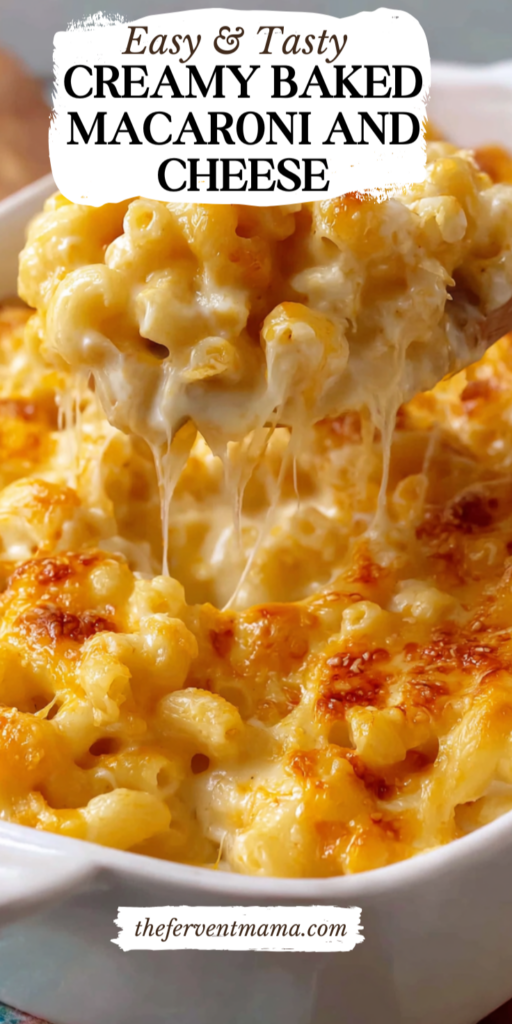
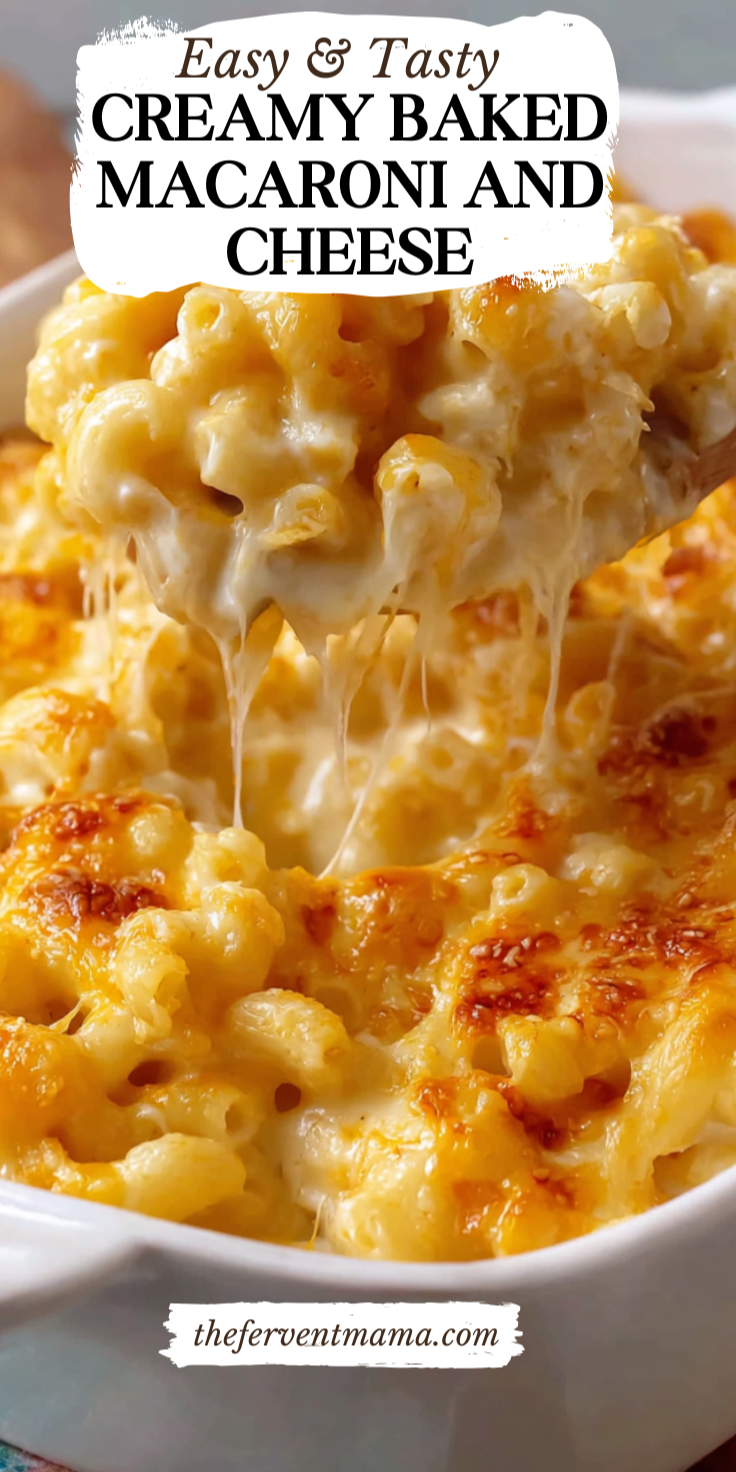
Small Macaroni is the kind of dish that feels like a warm hug in a bowl. It’s a humble pasta, but when tossed in a creamy, velvety sauce with a hint of nutmeg, it becomes something quietly special.
Advertisements1
I like to make this on a weeknight when I need something simple yet satisfying. The key is to cook the pasta right in the skillet, letting it absorb the flavors as it finishes. It’s a one-pan wonder that cuts down on dishes and amplifies taste.
Take a moment to breathe in the aroma as it simmers. That’s the signal that dinner is almost ready. Let’s begin.
Why You'll Love This Recipe
About the Ingredients
2 cups (200g) small macaroni (or ditalini)
Use any small pasta shape; ditalini or mini shells work well. Substitute with gluten-free pasta if needed.
2 tablespoons (30g) unsalted butter
Butter adds richness. For a dairy-free version, use olive oil or vegan butter.
1 small shallot, minced (about 2 tablespoons)
Shallot gives a mild onion flavor. Substitute with 1/4 cup finely chopped yellow onion.
2 cloves garlic, minced
Fresh garlic is best; use 1/2 teaspoon garlic powder in a pinch.
2 cups (480ml) low-sodium chicken or vegetable broth
Broth adds depth. Use water plus a bouillon cube if you don't have broth.
1 cup (240ml) whole milk
Whole milk makes the sauce creamy. For a lighter version, use 2% milk or unsweetened almond milk.
1 cup (100g) grated sharp cheddar cheese
Sharp cheddar gives a bold flavor. Try Gruyère or Gouda for a different twist.
1/4 cup (25g) grated Parmesan cheese
Parmesan adds a salty, nutty note. Use Pecorino Romano for a sharper taste.
1/2 teaspoon Dijon mustard
Mustard enhances the cheese flavor. Substitute with 1/4 teaspoon dry mustard powder.
1/4 teaspoon ground nutmeg
Nutmeg brightens the creamy sauce. Omit if you prefer, or use a pinch of paprika.
Salt and freshly ground black pepper, to taste
Seasoning is key; taste before serving and adjust.
2 tablespoons chopped fresh parsley (for garnish)
Parsley adds freshness. Use chives or omit if you don't have any.
Tips & Tricks
- Use a large skillet (12-inch) so the pasta cooks evenly and doesn't crowd.
- Stir occasionally while the pasta simmers to prevent sticking.
- If the sauce becomes too thick, add a splash of broth or milk to loosen it.
Pro Tips
Step-by-Step Instructions
1. Melt Butter and Sauté Aromatics
In a large skillet over medium heat (350°F / 175°C), melt the butter. Add the shallot and cook until translucent, about 2 minutes. Add garlic and cook for 30 seconds until fragrant.
2. Toast the Pasta
Add the dry macaroni to the skillet and stir to coat in the butter. Toast for 2 minutes, stirring frequently, until the pasta smells nutty and turns lightly golden.
3. Add Broth and Simmer
Pour in the broth and bring to a boil. Reduce heat to a gentle simmer (about 200°F / 93°C). Cook uncovered, stirring occasionally, for 8-10 minutes until the pasta is al dente and most of the liquid is absorbed.
4. Add Milk and Cook Down
Pour in the milk and continue to simmer for another 5 minutes, stirring often, until the sauce thickens slightly and coats the back of a spoon.
5. Remove from Heat and Add Cheese
Turn off the heat. Stir in the cheddar, Parmesan, Dijon mustard, and nutmeg until the cheese is fully melted and the sauce is smooth.
6. Season and Rest
Season with salt and pepper to taste. Let the macaroni rest for 2 minutes so the sauce thickens further.
7. Garnish and Serve
Sprinkle with fresh parsley and serve warm. Enjoy the creamy texture and small, comforting shapes.
Delicious Variations
- Add 1 cup of steamed broccoli florets along with the milk for a veggie boost.
- Stir in 1/2 cup of cooked, crumbled bacon or diced ham before serving for a smoky touch.
- Swap the cheddar for 1/2 cup of crumbled blue cheese and add 1/4 cup of toasted walnuts for a gourmet twist.
How to Store Small Macaroni
Refrigerator
Store in an airtight container for up to 4 days.
Freezer
Freeze in a freezer-safe container for up to 2 months. Thaw overnight in the fridge before reheating.
Reheating
Reheat gently on the stovetop or microwave, adding a splash of milk to restore creaminess.
Frequently Asked Questions
Q: Can I use regular macaroni instead of small macaroni?
Yes, you can use any small pasta shape like elbows or shells. Just adjust the cooking time according to the package instructions, as larger shapes may need a few extra minutes.
Q: How do I make this dish gluten-free?
Use gluten-free pasta and ensure your broth and mustard are gluten-free. The cooking method remains the same; just check the pasta for doneness earlier, as gluten-free pasta can cook faster.
Q: Can I make Small Macaroni ahead of time?
Absolutely. Prepare the dish as directed, then let it cool completely before refrigerating. Reheat on the stovetop with a splash of milk to revive the creamy sauce.
Q: What can I add for extra protein?
You can stir in cooked chicken, ground beef, or chickpeas along with the cheese. Adjust seasoning to taste.
Q: Why is my sauce grainy?
Grainy sauce usually happens when the cheese is added over high heat or if it's pre-shredded. Always use freshly grated cheese and remove the pan from heat before stirring it in.
I hope you enjoy this Small Macaroni as much as I do. It’s a simple dish that brings comfort without fuss. If you try it, let me know how it turns out. Happy cooking!
Small Macaroni
Small Macaroni is a cozy one-pan pasta with a silky cheese sauce, ready in 30 minutes for a comforting family dinner.
🧂 Ingredients
- 2 cups (200g) small macaroni (or ditalini)
- 2 tablespoons (30g) unsalted butter
- 1 small shallot, minced (about 2 tablespoons)
- 2 cloves garlic, minced
- 2 cups (480ml) low-sodium chicken or vegetable broth
- 1 cup (240ml) whole milk
- 1 cup (100g) grated sharp cheddar cheese
- 1/4 cup (25g) grated Parmesan cheese
- 1/2 teaspoon Dijon mustard
- 1/4 teaspoon ground nutmeg
- Salt and freshly ground black pepper, to taste
- 2 tablespoons chopped fresh parsley (for garnish)
📋 Instructions
- 1Melt Butter and Sauté Aromatics — In a large skillet over medium heat (350°F / 175°C), melt the butter. Add the shallot and cook until translucent, about 2 minutes. Add garlic and cook for 30 seconds until fragrant.
- 2Toast the Pasta — Add the dry macaroni to the skillet and stir to coat in the butter. Toast for 2 minutes, stirring frequently, until the pasta smells nutty and turns lightly golden.
- 3Add Broth and Simmer — Pour in the broth and bring to a boil. Reduce heat to a gentle simmer (about 200°F / 93°C). Cook uncovered, stirring occasionally, for 8-10 minutes until the pasta is al dente and most of the liquid is absorbed.
- 4Add Milk and Cook Down — Pour in the milk and continue to simmer for another 5 minutes, stirring often, until the sauce thickens slightly and coats the back of a spoon.
- 5Remove from Heat and Add Cheese — Turn off the heat. Stir in the cheddar, Parmesan, Dijon mustard, and nutmeg until the cheese is fully melted and the sauce is smooth.
- 6Season and Rest — Season with salt and pepper to taste. Let the macaroni rest for 2 minutes so the sauce thickens further.
- 7Garnish and Serve — Sprinkle with fresh parsley and serve warm. Enjoy the creamy texture and small, comforting shapes.

Kenji explores technology and digital minimalism, helping readers declutter their digital lives and focus on what matters. He writes about app selection, notification management, and creating healthy tech habits, based on his own experiments with unplugging.