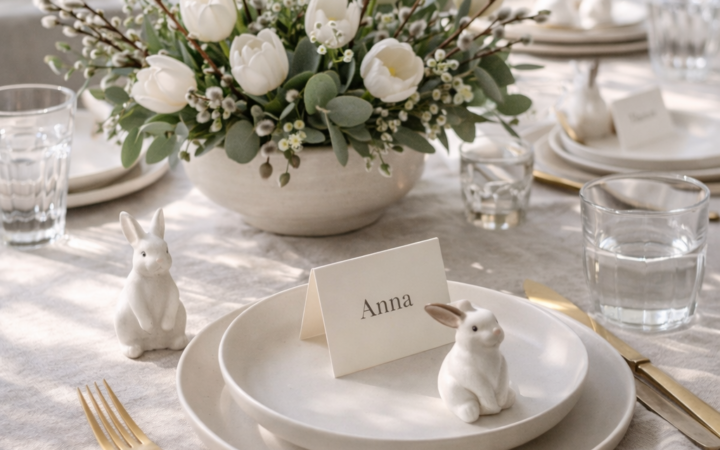
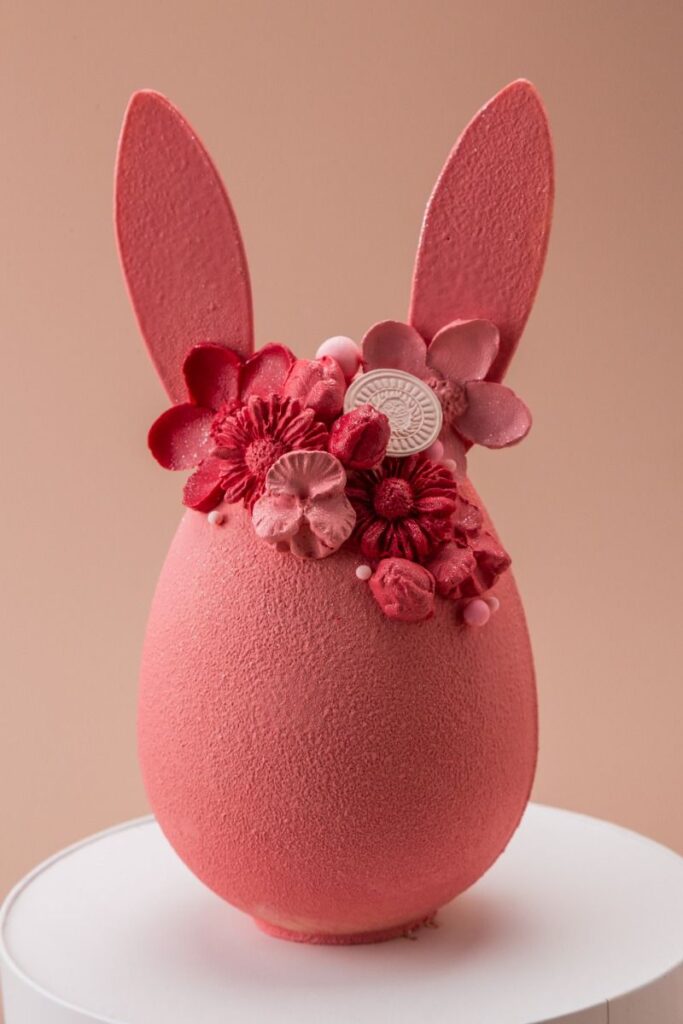
Every spring, my grandmother would set a woven basket on the table and tuck hand-dyed eggs into it like tiny treasures. She called it her Easter rabbit garden, and the whole family would lean in before anyone dared to eat it. The eggs were always the first thing gone, peeled and salted before the ham even reached the table.
Advertisements1
This version keeps her spirit but makes the rabbit edible and bright. I use a simple yogurt-and-butter dough to shape a soft rabbit body, nestle pastel-dyed eggs against it, and press edible flowers into the surface so it looks like the rabbit is napping in a meadow. It bakes into one golden, pull-apart centerpiece that smells like warm bread and spring.
I learned the flower-pressing trick on a spring trip through Provence, where bakers tuck violets and nasturtiums into Easter loaves. It is the kind of small gesture that makes a table feel cared for. Go, see, and connect.
Why You'll Love This Recipe
About the Ingredients
4 1/4 cups (530g) bread flour, plus extra for dusting
Bread flour gives the rabbit structure so the ears hold their shape. All-purpose flour works but the loaf will be slightly softer and flatter.
2 1/4 teaspoons (7g) active dry yeast
One standard packet. If yours is older than six months, proof it in the warm milk first to be sure it bubbles.
1 cup (240ml) whole milk, warmed to 110F (43C)
Whole milk makes the crumb tender; oat milk or 2 percent both work. Warm it just until it feels like a comfortable bath, never hot.
1/2 cup (120g) plain whole-milk yogurt, at room temperature
Yogurt is the secret to a soft, tangy crumb. Greek yogurt makes a denser loaf, so thin it with a splash of milk.
1/4 cup (50g) granulated sugar
Just enough sweetness to read as celebration bread. Honey works too, but reduce the milk by one tablespoon.
6 tablespoons (85g) unsalted butter, melted and cooled slightly
Melted butter keeps the rabbit rich and golden. Coconut oil is a fine dairy-free swap.
2 large eggs, plus 1 beaten egg for the wash
The wash is what gives the rabbit its glossy bakery shine. A splash of milk whisked in makes it even more golden.
1 1/2 teaspoons fine sea salt
Salt balances the sugar and strengthens the dough. Do not skip it, even in a sweet loaf.
6 to 8 hard-boiled eggs, dyed pastel, chilled
Dye them a day ahead so the shells are dry and the color does not bleed. Store-bought dyed eggs work perfectly.
1/2 cup edible flowers (violas, nasturtiums, or organic rose petals)
Buy food-grade flowers only, or grow your own pesticide-free. If you cannot find them, use fresh mint leaves and thin carrot curls.
2 tablespoons honey mixed with 1 tablespoon warm water, for glazing
This quick glaze sets the flowers in place and adds a gentle shine. Maple syrup works for a vegan finish.
Tips & Tricks
Do not over-flour the dough
Add flour one tablespoon at a time and stop when the dough is tacky but pulls clean from the bowl. Too much flour is the number one reason rabbit ears slump and crack.
Dye eggs the day before
Dry shells hold color far better than freshly dipped ones. Pat them completely dry so the dye never bleeds onto the bread.
Press flowers after baking, not before
Oven heat dulls petals and turns them brown. Brush the warm loaf with honey glaze and press flowers on while it is still sticky.
Shape the ears thin but not fragile
Roll ear ropes to about the thickness of your thumb. Thicker ears puff into blobs, thinner ones burn before the body is done.
Pro Tips
Step-by-Step Instructions
1. Warm and bloom the yeast
Whisk the warm milk, a pinch of the sugar, and the yeast in a small bowl. Let it sit 5 to 8 minutes until a foamy cap forms, which proves the yeast is alive before you commit the flour.
2. Mix the dough
In a large bowl, combine the flour, remaining sugar, and salt. Add the yogurt, melted butter, 2 eggs, and the foamy yeast mixture, then stir with a wooden spoon until a shaggy dough forms.
3. Knead until smooth
Turn the dough onto a floured counter and knead 8 to 10 minutes until it is smooth, elastic, and springs back when poked. Add flour one tablespoon at a time only if it sticks badly.
4. Proof the dough
Place the dough in a lightly oiled bowl, cover, and let it rise in a warm spot until doubled, about 60 to 75 minutes. It is ready when a floured finger leaves an indent that slowly springs back.
5. Shape the rabbit
Divide the dough into one large ball for the body, one medium ball for the head, and two ropes for the ears. Arrange them on a parchment-lined sheet pan into a rabbit silhouette, pinching the seams so the pieces fuse as they bake.
6. Add the egg nest
Press the chilled dyed eggs gently into the dough around the rabbit's body and tail, spacing them so they sit snugly in little hollows. This keeps them from rolling during the bake.
7. Brush and bake
Brush the entire rabbit with the beaten egg wash. Bake at 350F (175C) for 30 to 35 minutes, until the crust is deep golden brown and the internal temperature at the thickest part of the body reads 190F (88C).
8. Glaze and bloom with flowers
Brush the hot loaf with the honey glaze, then press the edible flowers gently into the sticky surface. Let the rabbit rest 15 minutes so the crumb sets before you tear in.
Delicious Variations
Lemon-Thyme Rabbit
Add the zest of one lemon and one teaspoon chopped fresh thyme to the dough for a fragrant, herbal spring loaf.
Chocolate Nest Version
Swap half a cup of flour for cocoa powder and tuck small chocolate eggs among the dyed ones for a dessert-style centerpiece.
Sourdough Rabbit
Replace the yeast with one cup of active sourdough starter, extend the rise to four hours, and reduce the milk by a quarter cup.
How to Store Easter Egg Rabbit with Flowers
Refrigerator
Wrap the cooled loaf tightly in plastic and refrigerate up to 3 days. Keep the dyed eggs separate and refrigerated; do not store them pressed into the bread.
Freezer
Freeze the baked rabbit, without eggs or flowers, wrapped in foil and a freezer bag for up to 2 months. Thaw overnight in the refrigerator.
Reheating
Warm the loaf at 300F (150C) for 8 to 10 minutes until soft and fragrant, then add fresh flowers and eggs just before serving.
Frequently Asked Questions
Q: Can I make Easter Egg Rabbit with Flowers ahead of time?
Yes, you can shape the rabbit and refrigerate it overnight, then bake it fresh in the morning. Dye the eggs a day ahead too, and press the flowers on right after baking so they stay vivid.
Q: What flowers are safe to eat on bread?
Only food-grade or homegrown pesticide-free flowers are safe, such as violas, nasturtiums, calendula, and organic rose petals. Avoid florist bouquets, which are usually treated with chemicals you should not eat.
Q: Can I use store-bought dyed eggs in this recipe?
Yes, standard dyed eggs work beautifully as long as they are fully hard-boiled and chilled. Wash your hands after handling the shells and do not press cracked eggs into the dough.
Q: Why did my rabbit ears fall over in the oven?
Ears slump when the dough is too soft or over-proofed, so chill the shaped rabbit for 20 minutes before baking. Rolling the ears slightly thicker and pinching them firmly to the head also helps them hold their lift.
Q: Is this bread sweet or savory?
It is a lightly sweet celebration bread, closer to brioche than cake, with a tangy note from the yogurt. Serve it with salted butter or honey for brunch, or alongside ham for the Easter table.
Bake this blooming rabbit for your next spring gathering and watch the table go quiet in the best way. Tag me in your photos so I can see how your flowers turned out, and if you try the lemon-thyme version, tell me everything. Go, see, and connect.
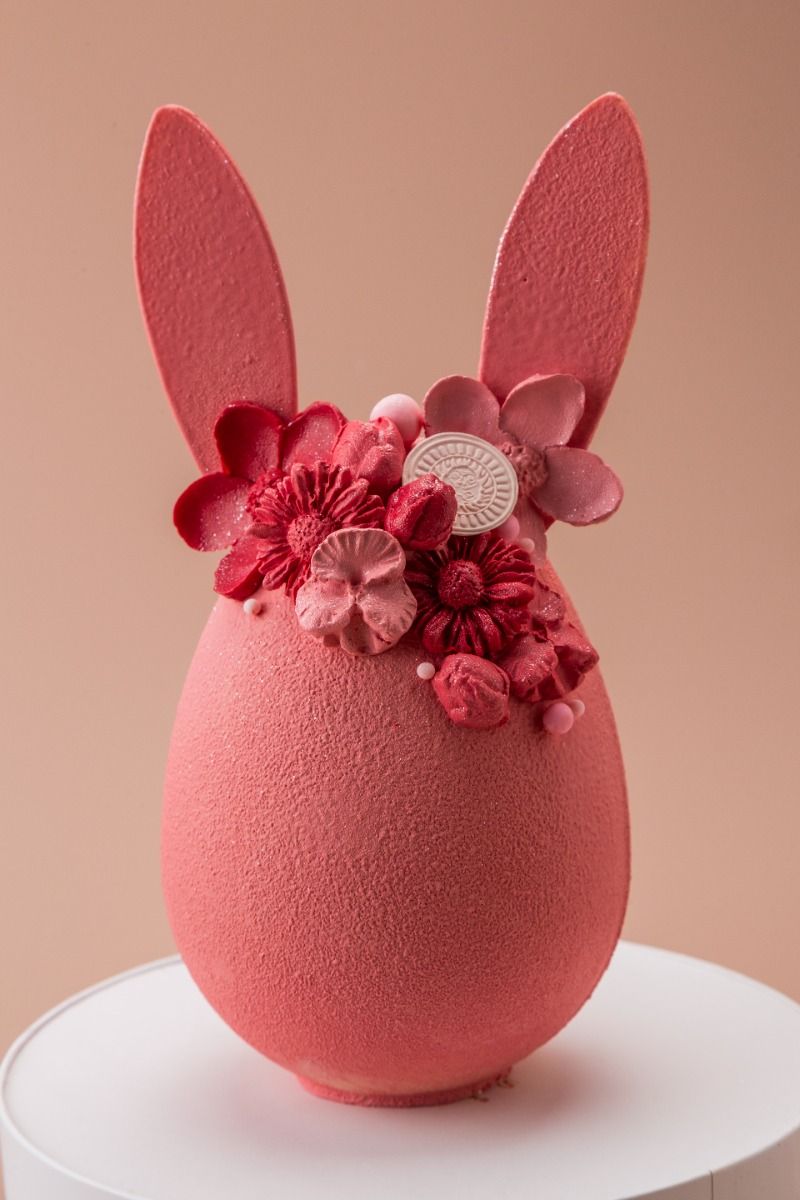
Easter Egg Rabbit with Flowers
Easter Egg Rabbit with Flowers turns dyed eggs into a blooming edible centerpiece, a joyful spring table showpiece everyone adores.
🧂 Ingredients
- 4 1/4 cups (530g) bread flour, plus extra for dusting
- 2 1/4 teaspoons (7g) active dry yeast
- 1 cup (240ml) whole milk, warmed to 110F (43C)
- 1/2 cup (120g) plain whole-milk yogurt, at room temperature
- 1/4 cup (50g) granulated sugar
- 6 tablespoons (85g) unsalted butter, melted and cooled slightly
- 2 large eggs, plus 1 beaten egg for the wash
- 1 1/2 teaspoons fine sea salt
- 6 to 8 hard-boiled eggs, dyed pastel, chilled
- 1/2 cup edible flowers (violas, nasturtiums, or organic rose petals)
- 2 tablespoons honey mixed with 1 tablespoon warm water, for glazing
📋 Instructions
- 1Warm and bloom the yeast — Whisk the warm milk, a pinch of the sugar, and the yeast in a small bowl. Let it sit 5 to 8 minutes until a foamy cap forms, which proves the yeast is alive before you commit the flour.
- 2Mix the dough — In a large bowl, combine the flour, remaining sugar, and salt. Add the yogurt, melted butter, 2 eggs, and the foamy yeast mixture, then stir with a wooden spoon until a shaggy dough forms.
- 3Knead until smooth — Turn the dough onto a floured counter and knead 8 to 10 minutes until it is smooth, elastic, and springs back when poked. Add flour one tablespoon at a time only if it sticks badly.
- 4Proof the dough — Place the dough in a lightly oiled bowl, cover, and let it rise in a warm spot until doubled, about 60 to 75 minutes. It is ready when a floured finger leaves an indent that slowly springs back.
- 5Shape the rabbit — Divide the dough into one large ball for the body, one medium ball for the head, and two ropes for the ears. Arrange them on a parchment-lined sheet pan into a rabbit silhouette, pinching the seams so the pieces fuse as they bake.
- 6Add the egg nest — Press the chilled dyed eggs gently into the dough around the rabbit's body and tail, spacing them so they sit snugly in little hollows. This keeps them from rolling during the bake.
- 7Brush and bake — Brush the entire rabbit with the beaten egg wash. Bake at 350F (175C) for 30 to 35 minutes, until the crust is deep golden brown and the internal temperature at the thickest part of the body reads 190F (88C).
- 8Glaze and bloom with flowers — Brush the hot loaf with the honey glaze, then press the edible flowers gently into the sticky surface. Let the rabbit rest 15 minutes so the crumb sets before you tear in.

Aisha writes about travel and cultural immersion, sharing stories and tips from her journeys to off-the-beaten-path destinations. She emphasizes respectful tourism, budget-friendly adventures, and the importance of connecting with local communities.