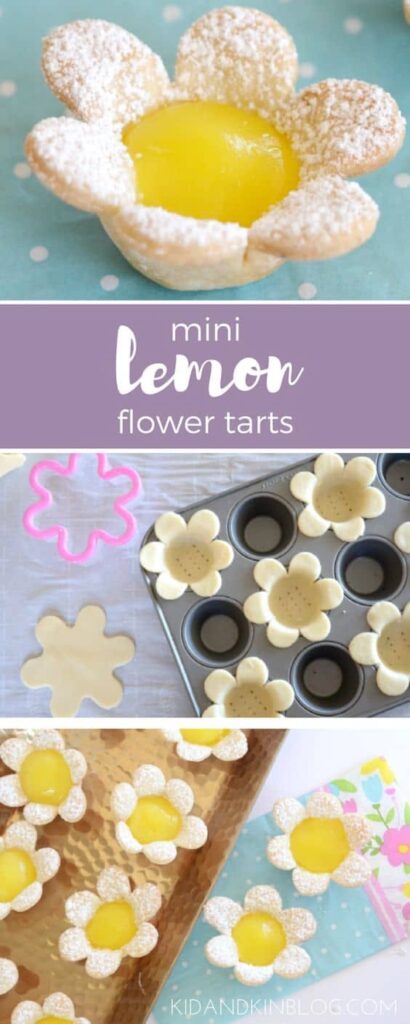
The first time I made mini lemon flower tarts, I had flour on my elbows, lemon zest in my hair, and a piping bag that refused to cooperate. My kitchen looked like a citrus crime scene, and honestly? It was the most fun I'd had baking all spring.
Advertisements1
These little tarts are the dessert equivalent of a daisy chain – delicate shortcrust petals cupping a puddle of bright, silky lemon curd. The magic is in the process: you press, you chill, you pipe, and you watch them bloom in the oven. No fancy molds, no pastry school diploma required.
If you're a nervous baker, this is your sign. I've burned crusts, curdled curd, and cried over cracked shells so you don't have to. Let's make something sunny together.
Why You'll Love This Recipe
About the Ingredients
1 3/4 cups (220g) all-purpose flour
Spoon and level it rather than scooping straight from the bag, or the crust turns tough. Swap in white whole wheat flour for a nuttier, slightly heartier shell.
1/2 cup (60g) powdered sugar
Powdered sugar keeps the crust tender; granulated will make it gritty. Sift it first if you see clumps, since lumps hide in the dough.
3/4 cup (170g) cold unsalted butter, cubed
Cold butter is non-negotiable for flaky petals – freeze it 10 minutes before cubing. Salted butter works too; just skip the added salt below.
1 large egg yolk
The yolk adds richness and binds the crumbly dough. Save the white in the fridge for brushing or an egg-white omelet later.
1/2 teaspoon fine salt
A pinch of salt balances the sweet curd and wakes up the butter flavor. Kosher salt works if you use half the amount.
3/4 cup (150g) granulated sugar
Standard white sugar keeps the curd color bright yellow. Don't reduce it – the sugar also thickens and stabilizes the curd.
3 large eggs plus 1 yolk, room temperature
Room-temperature eggs blend smoothly and resist curdling. If you forgot to set them out, rest them in warm water for 5 minutes.
1/2 cup (120ml) fresh lemon juice (about 3 lemons)
Roll lemons firmly on the counter before juicing to get more out. Bottled juice is a last resort – it tastes flatter and duller.
2 tablespoons lemon zest (about 3 lemons)
Zest only the yellow layer; the white pith underneath is bitter. A Microplane gives the finest, most fragrant zest.
1/4 cup (57g) unsalted butter, cut into pieces
This butter gets whisked into the cooked curd for gloss and body. Add it off the heat so the curd stays silky, not greasy.
Tips & Tricks
Strain the curd before filling
Pushing it through a fine-mesh sieve catches zest bits and any stray cooked egg, giving you that glassy, professional finish.
- Chill the dough for 30 minutes before pressing: Warm shortcrust slumps and shrinks in the oven, so a quick chill keeps your petals crisp and upright.
- Bake shells blind with pie weights or dried beans: Lining each cup with parchment and weights stops the centers from puffing up and stealing space from your curd.
Pro Tips
Step-by-Step Instructions
1. Make the shortcrust
Pulse flour, powdered sugar, and salt in a food processor, then add cold butter cubes and blend until the mixture looks like coarse sand with pea-sized butter bits. Add the egg yolk and pulse just until the dough clumps together – overworking here means tough petals.
2. Chill the dough
Flatten the dough into a disk, wrap it in plastic, and refrigerate for 30 minutes. This rest hydrates the flour and makes the dough far easier to press without cracking.
3. Press into the tin
Pinch off walnut-sized pieces and press them evenly up the sides and across the bottom of a greased 24-cup mini muffin tin. Aim for about 1/8-inch thickness – thin enough to be delicate, thick enough to hold curd.
4. Freeze and blind bake
Freeze the pressed shells for 10 minutes, then line each with a small square of parchment and fill with pie weights or dried beans. Bake at 350F (175C) for 12 minutes, remove the weights, and bake 5 to 7 minutes more until the edges are pale golden and smell toasty.
5. Cook the lemon curd
Whisk sugar, eggs, yolk, lemon juice, and zest in a heatproof bowl set over barely simmering water. Cook at a gentle simmer, whisking constantly, for 8 to 10 minutes until the curd thickens to the texture of warm honey and reaches 170F (77C) on an instant-read thermometer.
6. Finish the curd
Pull the bowl off the heat and whisk in the butter pieces one at a time until the curd is glossy and smooth. Strain it through a fine-mesh sieve into a clean bowl, pressing gently with a spatula.
7. Fill the shells
Spoon or pipe warm curd into each cooled shell, filling just to the rim. Tap the tin gently on the counter to level the surface and release any air bubbles.
8. Set and serve
Chill the filled tarts for at least 1 hour until the curd sets firm, then pipe a small rosette of petals on top if you like. Serve cold or at cool room temperature – they're at their best within 24 hours.
Delicious Variations
Meyer Lemon and Thyme
Use Meyer lemons for a sweeter, floral curd and steep a sprig of fresh thyme in the warm filling for 10 minutes before straining.
Lemon Meringue Flowers
Top each set tart with a swirl of torched Swiss meringue for a mini lemon meringue pie effect.
Grapefruit-Rosemary Petals
Swap half the lemon juice for pink grapefruit juice and add a whisper of minced rosemary to the crust for a grown-up twist.
How to Store Mini Lemon Flower Tarts in the Process of Being Made
Refrigerator
Store filled tarts in an airtight container in the fridge for up to 3 days; the crust softens slightly after day 2, so add a paper towel under the lid to catch moisture.
Freezer
Freeze baked, unfilled shells for up to 2 months in a zip-top bag; thaw at room temperature for 20 minutes before filling. Curd freezes separately for up to 1 month in a sealed jar.
Reheating
No reheating needed – these are best cold. If you want the petals crisp again, warm unfilled shells at 300F (150C) for 4 minutes and cool completely before adding curd.
Frequently Asked Questions
Q: Why did my lemon curd turn out lumpy?
Your heat was too high or you stopped whisking. Keep the bowl over barely simmering water, whisk constantly, and pull it at 170F (77C) – if lumps appear anyway, strain the curd through a fine-mesh sieve and it will be perfectly smooth.
Q: Can I make mini lemon flower tarts ahead of time?
Yes, and it's actually the smartest way to do it. Bake and freeze the shells up to 2 months ahead, make the curd up to 5 days ahead, then fill the tarts the morning of your event so the crust stays crisp.
Q: How do I keep the tart shells from shrinking?
Chill or freeze the pressed dough for at least 10 minutes before baking and press the dough slightly above the rim of each cup. Cold dough holds its shape, and the extra height gives it room to shrink without pulling away from the sides.
Q: Can I use bottled lemon juice instead of fresh?
You can, but the flavor will be noticeably flatter and less bright. Fresh juice plus real zest is what makes these tarts taste like sunshine, so if you have 3 lemons, use them.
Q: How do I know when the lemon curd is thick enough?
It should coat the back of a spoon and hold a clean line when you drag your finger through it, registering 170F (77C). It will thicken further as it chills, so don't keep cooking past that point.
Grab your lemons, put on an apron you don't mind dusting with flour, and give these mini lemon flower tarts a try this weekend. Snap a photo of your little citrus blossoms and tag me – I want to see your petals bloom. You're doing better than you think.
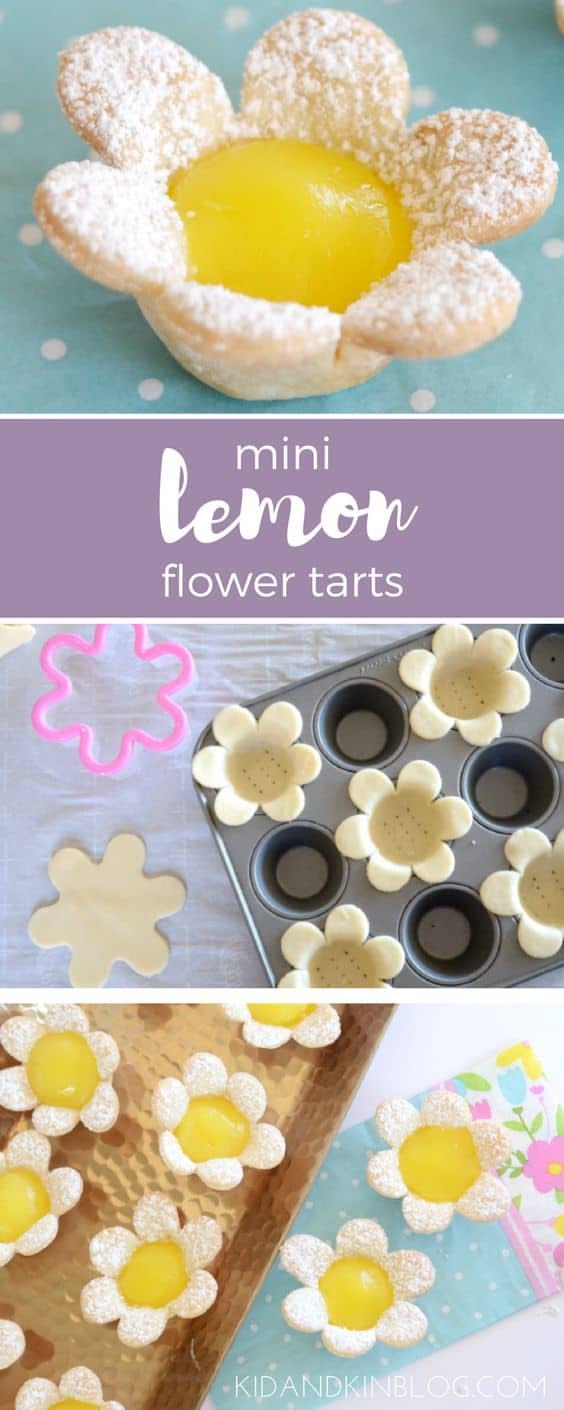
Mini Lemon Flower Tarts in the Process of Being Made
Mini lemon flower tarts in the process of being made: buttery petals, silky lemon curd, and a 50-minute bake anyone can pull off beautifully.
🧂 Ingredients
- 1 3/4 cups (220g) all-purpose flour
- 1/2 cup (60g) powdered sugar
- 3/4 cup (170g) cold unsalted butter, cubed
- 1 large egg yolk
- 1/2 teaspoon fine salt
- 3/4 cup (150g) granulated sugar
- 3 large eggs plus 1 yolk, room temperature
- 1/2 cup (120ml) fresh lemon juice (about 3 lemons)
- 2 tablespoons lemon zest (about 3 lemons)
- 1/4 cup (57g) unsalted butter, cut into pieces
📋 Instructions
- 1Make the shortcrust — Pulse flour, powdered sugar, and salt in a food processor, then add cold butter cubes and blend until the mixture looks like coarse sand with pea-sized butter bits. Add the egg yolk and pulse just until the dough clumps together – overworking here means tough petals.
- 2Chill the dough — Flatten the dough into a disk, wrap it in plastic, and refrigerate for 30 minutes. This rest hydrates the flour and makes the dough far easier to press without cracking.
- 3Press into the tin — Pinch off walnut-sized pieces and press them evenly up the sides and across the bottom of a greased 24-cup mini muffin tin. Aim for about 1/8-inch thickness – thin enough to be delicate, thick enough to hold curd.
- 4Freeze and blind bake — Freeze the pressed shells for 10 minutes, then line each with a small square of parchment and fill with pie weights or dried beans. Bake at 350F (175C) for 12 minutes, remove the weights, and bake 5 to 7 minutes more until the edges are pale golden and smell toasty.
- 5Cook the lemon curd — Whisk sugar, eggs, yolk, lemon juice, and zest in a heatproof bowl set over barely simmering water. Cook at a gentle simmer, whisking constantly, for 8 to 10 minutes until the curd thickens to the texture of warm honey and reaches 170F (77C) on an instant-read thermometer.
- 6Finish the curd — Pull the bowl off the heat and whisk in the butter pieces one at a time until the curd is glossy and smooth. Strain it through a fine-mesh sieve into a clean bowl, pressing gently with a spatula.
- 7Fill the shells — Spoon or pipe warm curd into each cooled shell, filling just to the rim. Tap the tin gently on the counter to level the surface and release any air bubbles.
- 8Set and serve — Chill the filled tarts for at least 1 hour until the curd sets firm, then pipe a small rosette of petals on top if you like. Serve cold or at cool room temperature – they're at their best within 24 hours.

Sofia writes about parenting and family wellness, exploring the messy, joyful reality of raising kids. She offers relatable stories and practical advice on everything from sleep training to managing screen time, always with a dose of humor.