
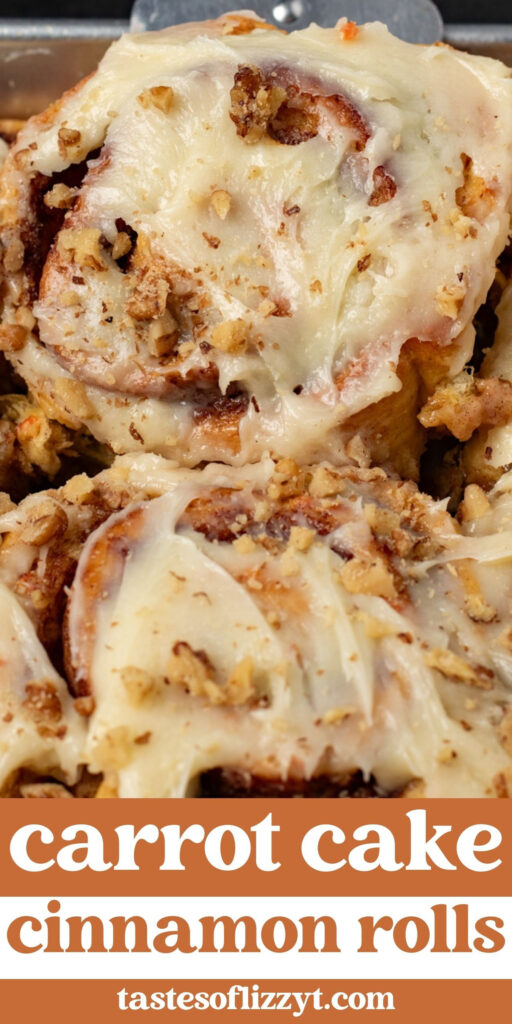
There's something deeply satisfying about pulling a tray of warm, sweet rolls from the oven. The aroma alone can turn any morning into an occasion. This recipe for sweet rolls delivers a soft, pillowy crumb with a buttery, cinnamon-sugar filling and a light glaze that soaks into every crevice.
Advertisements1
I've tested this dough multiple times to get the hydration and proofing just right. The result is a reliable, forgiving dough that works for both beginners and experienced bakers. You'll need about 50 minutes of total time, including proofing, but most of that is hands-off.
Whether you serve them for a weekend brunch or as an after-dinner treat, these rolls are best enjoyed warm, straight from the oven. They also freeze beautifully, so you can always have a batch ready.
Why You'll Love This Recipe
About the Ingredients
3 1/4 cups (415g) all-purpose flour, plus more for dusting
Use a high-protein flour like King Arthur for the best structure. You can substitute bread flour for an even chewier texture.
1/4 cup (50g) granulated sugar
This adds a subtle sweetness to the dough. You can reduce to 2 tablespoons if you prefer less sweet rolls.
2 1/4 teaspoons (7g) instant yeast (one packet)
Instant yeast gives a quick, reliable rise. If using active dry yeast, dissolve it in warm milk first and let it foam.
1 teaspoon salt
Salt balances the sweetness and strengthens the gluten. Use fine sea salt for even distribution.
1/2 cup (120ml) whole milk, warmed to 110°F (43°C)
Whole milk adds richness. You can use 2% or plant-based milk, but the rolls will be slightly less tender.
1/4 cup (60ml) water, warmed to 110°F (43°C)
Water helps control the dough temperature. If your kitchen is cold, use slightly warmer water.
1 large egg, at room temperature
The egg enriches the dough and helps with browning. Bring it to room temperature by placing it in warm water for 5 minutes.
1/4 cup (57g) unsalted butter, melted and cooled
Melted butter adds flavor and tenderness. You can use salted butter and reduce the added salt to 1/2 teaspoon.
For the filling: 1/4 cup (57g) unsalted butter, softened
Softened butter spreads easily. If it's too hard, microwave for 10 seconds.
1/2 cup (100g) packed brown sugar
Brown sugar gives a deep, caramel-like flavor. You can substitute coconut sugar for a less refined option.
1 tablespoon ground cinnamon
Fresh cinnamon makes a difference. Use Ceylon cinnamon for a milder, sweeter spice.
For the glaze: 1 cup (120g) powdered sugar
Sifted to avoid lumps. You can make a cream cheese glaze by substituting 2 oz cream cheese for 2 tablespoons of the sugar.
2 tablespoons (30ml) milk
Thins the glaze to pouring consistency. Use heavy cream for a richer glaze.
1/2 teaspoon vanilla extract
Pure vanilla adds depth. You can use the seeds of half a vanilla bean.
Tips & Tricks
- Use a digital scale for the flour to avoid packing, which can make the dough dry. If measuring by cups, spoon and level.
- Proof the dough in a warm, draft-free spot. If your kitchen is cool, turn your oven on to 200°F (93°C) for 2 minutes, then turn it off and place the dough inside with the door ajar.
- When rolling the dough, aim for a rectangle about 12×18 inches. If it springs back, let it rest for 5 minutes before rolling again.
Pro Tips
Step-by-Step Instructions
1. Mix Dry Ingredients
In a large bowl, whisk together the flour, sugar, yeast, and salt. Ensure the yeast is distributed evenly. This prevents pockets of salt that could inhibit yeast activity.
2. Add Wet Ingredients
Pour in the warm milk, water, egg, and melted butter. Mix with a spatula until a shaggy dough forms. The dough will be sticky but that's okay.
3. Knead the Dough
Turn the dough onto a lightly floured surface and knead for 8-10 minutes, until smooth and elastic. Alternatively, use a stand mixer with a dough hook on medium for 6 minutes. The dough should pass the windowpane test.
4. First Proof
Place the dough in a lightly oiled bowl, cover with plastic wrap, and let rise in a warm spot for 1 to 1.5 hours, or until doubled in size. A warm oven (as described in tips) speeds this up to 45 minutes.
5. Shape the Rolls
Punch down the dough and roll it into a 12×18-inch rectangle on a floured surface. Spread the softened butter over the surface, leaving a 1-inch border. Mix the brown sugar and cinnamon in a small bowl and sprinkle evenly over the butter.
6. Roll and Slice
Starting from the long edge, roll the dough tightly into a log. Pinch the seam to seal. Using a sharp knife or dental floss, cut the log into 12 equal slices (about 1.5 inches thick).
7. Second Proof
Place the slices in a greased 9×13-inch baking dish, cut side up. Cover and let rise for 30-45 minutes, until puffy and nearly doubled. Meanwhile, preheat your oven to 350°F (175°C).
8. Bake to Golden
Bake the rolls for 25-30 minutes, until the tops are golden brown and the internal temperature reads 190°F (88°C). If the tops brown too quickly, tent with foil after 15 minutes.
9. Glaze and Serve
While the rolls bake, whisk together the powdered sugar, milk, and vanilla. Drizzle the glaze over the warm rolls. Serve warm for the best texture.
Delicious Variations
- Add 1/2 cup chopped pecans or walnuts to the filling for a crunchy texture.
- Swap the cinnamon for pumpkin pie spice or apple pie spice for a seasonal twist.
- Fill with 1/2 cup chocolate chips and a teaspoon of orange zest for a chocolate-orange version.
How to Store Sweet Roll Recipes
Refrigerator
Store in an airtight container at room temperature for up to 2 days. For longer storage, refrigerate for up to 5 days. Reheat individual rolls in the microwave for 15 seconds.
Freezer
Wrap unglazed rolls tightly in plastic wrap and foil. Freeze for up to 3 months. Thaw overnight in the refrigerator, then warm in a 350°F (175°C) oven for 10 minutes.
Reheating
To revive day-old rolls, microwave each for 15-20 seconds or warm in a 300°F (150°C) oven for 5 minutes to restore softness.
Frequently Asked Questions
Q: How do I make sweet rolls ahead of time?
Assemble the rolls through step 6, cover the dish, and refrigerate overnight. In the morning, let them sit at room temperature for 30 minutes while the oven preheats, then bake as directed.
Q: Can I use bread flour instead of all-purpose?
Yes, bread flour will give you a chewier texture and slightly higher rise. Use the same amount, but you may need to add an extra tablespoon of milk if the dough feels dry.
Q: Why are my sweet rolls dense and heavy?
Dense rolls usually result from over-flouring the dough or under-proofing. Make sure you measure flour correctly and allow the dough to double in size during the first proof.
Q: How do I know when sweet rolls are done?
The rolls are done when they are golden brown on top and the internal temperature reaches 190°F (88°C). If you don't have a thermometer, insert a toothpick into the center; it should come out clean.
If you try these sweet rolls, let me know how they turn out in the comments below. And if you're looking for more baking inspiration, check out my other yeast bread recipes. Keep it simple, keep it growing.
Sweet Roll Recipes
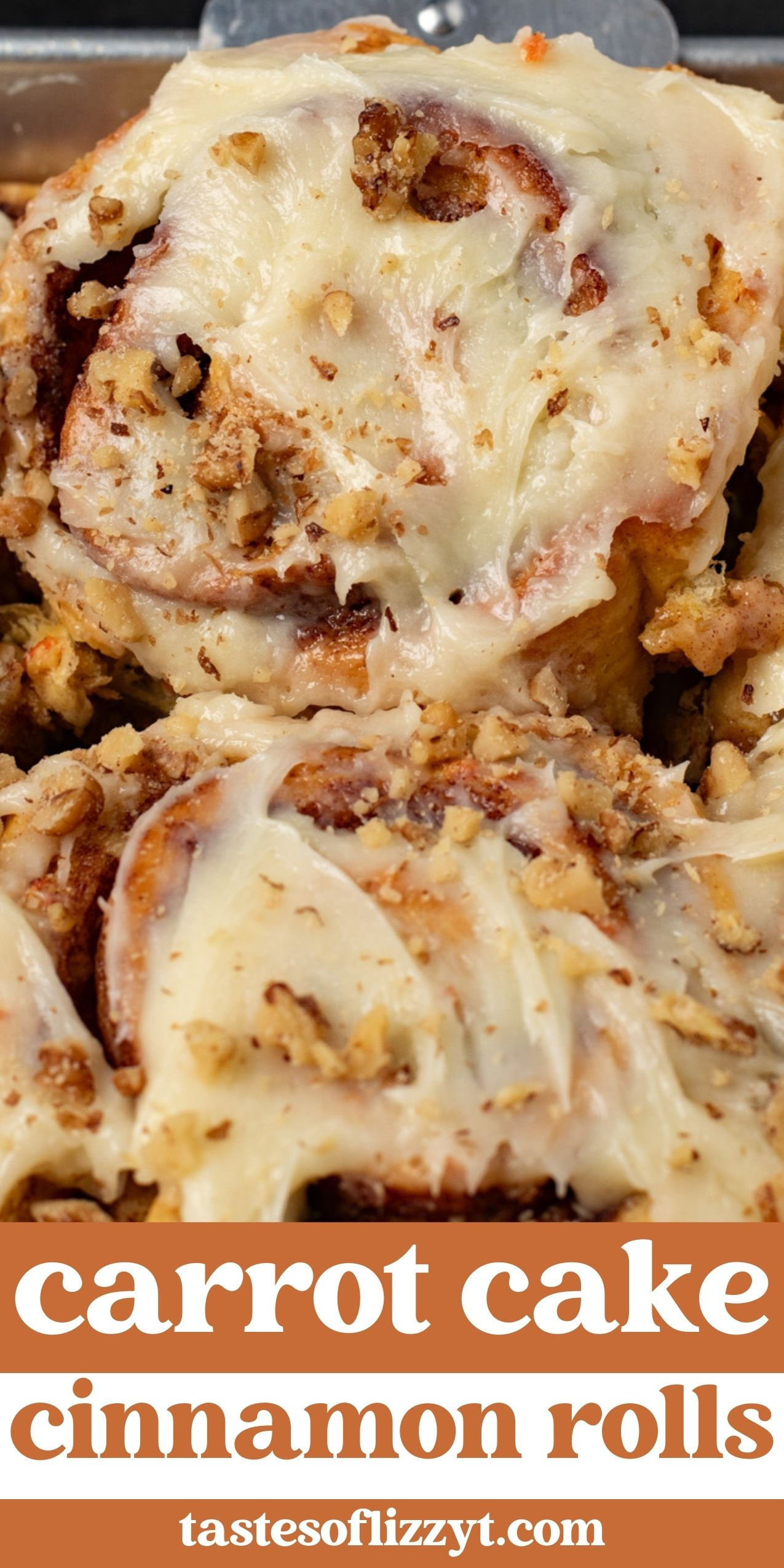
Sweet Roll Recipes: soft, buttery homemade rolls with a cinnamon-sugar twist. Perfect for breakfast or dessert in under an hour.
🧂 Ingredients
- 3 1/4 cups (415g) all-purpose flour, plus more for dusting
- 1/4 cup (50g) granulated sugar
- 2 1/4 teaspoons (7g) instant yeast (one packet)
- 1 teaspoon salt
- 1/2 cup (120ml) whole milk, warmed to 110°F (43°C)
- 1/4 cup (60ml) water, warmed to 110°F (43°C)
- 1 large egg, at room temperature
- 1/4 cup (57g) unsalted butter, melted and cooled
- For the filling: 1/4 cup (57g) unsalted butter, softened
- 1/2 cup (100g) packed brown sugar
- 1 tablespoon ground cinnamon
- For the glaze: 1 cup (120g) powdered sugar
- 2 tablespoons (30ml) milk
- 1/2 teaspoon vanilla extract
📋 Instructions
- 1Mix Dry Ingredients — In a large bowl, whisk together the flour, sugar, yeast, and salt. Ensure the yeast is distributed evenly. This prevents pockets of salt that could inhibit yeast activity.
- 2Add Wet Ingredients — Pour in the warm milk, water, egg, and melted butter. Mix with a spatula until a shaggy dough forms. The dough will be sticky but that's okay.
- 3Knead the Dough — Turn the dough onto a lightly floured surface and knead for 8-10 minutes, until smooth and elastic. Alternatively, use a stand mixer with a dough hook on medium for 6 minutes. The dough should pass the windowpane test.
- 4First Proof — Place the dough in a lightly oiled bowl, cover with plastic wrap, and let rise in a warm spot for 1 to 1.5 hours, or until doubled in size. A warm oven (as described in tips) speeds this up to 45 minutes.
- 5Shape the Rolls — Punch down the dough and roll it into a 12×18-inch rectangle on a floured surface. Spread the softened butter over the surface, leaving a 1-inch border. Mix the brown sugar and cinnamon in a small bowl and sprinkle evenly over the butter.
- 6Roll and Slice — Starting from the long edge, roll the dough tightly into a log. Pinch the seam to seal. Using a sharp knife or dental floss, cut the log into 12 equal slices (about 1.5 inches thick).
- 7Second Proof — Place the slices in a greased 9×13-inch baking dish, cut side up. Cover and let rise for 30-45 minutes, until puffy and nearly doubled. Meanwhile, preheat your oven to 350°F (175°C).
- 8Bake to Golden — Bake the rolls for 25-30 minutes, until the tops are golden brown and the internal temperature reads 190°F (88°C). If the tops brown too quickly, tent with foil after 15 minutes.
- 9Glaze and Serve — While the rolls bake, whisk together the powdered sugar, milk, and vanilla. Drizzle the glaze over the warm rolls. Serve warm for the best texture.

Liam covers personal finance and investing for beginners, demystifying money management with clear, no-nonsense advice. He focuses on budgeting, saving, and long-term wealth building, often using real-life scenarios to illustrate concepts.