
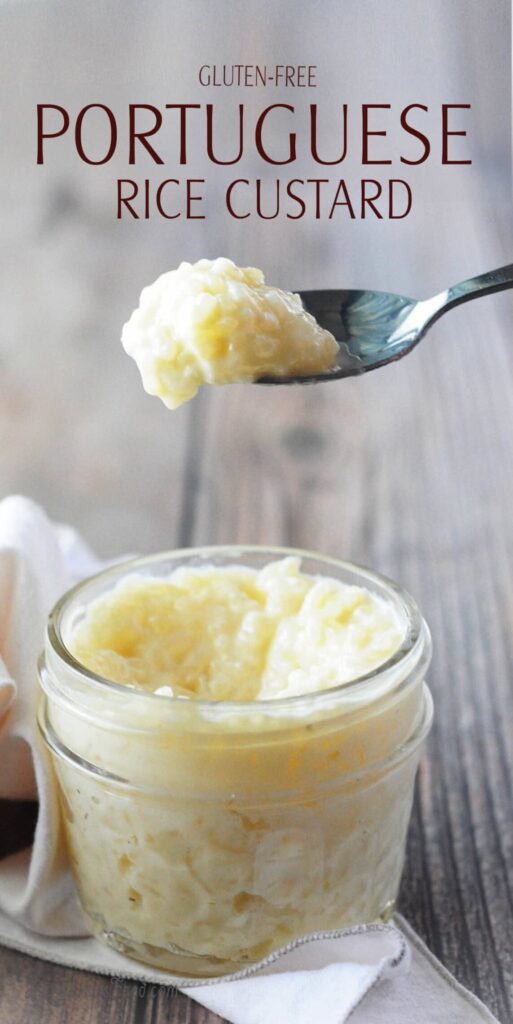
When I first tasted a warm pastel de nata in a tiny Lisbon bakery, the sun was just rising over the Alfama district. The crisp, caramelized top gave way to a silky, eggy custard that danced with cinnamon and lemon. It was a moment I've chased ever since, and today I'm sharing my version of that magic – a Portuguese Dessert Custard that brings the soul of Portugal to your kitchen.
Advertisements1
This recipe simplifies the traditional technique without losing the essence. Instead of the labor-intensive laminated dough, we use puff pastry for a shortcut that still yields shatteringly crisp layers. The custard, enriched with egg yolks and sweetened condensed milk, gets its signature flavor from a whisper of cinnamon and a hint of lemon zest.
Whether you're a seasoned baker or a curious home cook, these tarts are surprisingly doable. The key is to bake them hot and fast, letting the custard bubble and char just enough to create those beautiful, blistered spots. Serve them warm with a dusting of cinnamon and powdered sugar, and you'll understand why Portugal is famous for these little treasures.
So, let's embark on this sweet adventure together. I promise, the aroma alone will transport you to a sun-drenched café in Lisbon.
Why You'll Love This Recipe
About the Ingredients
1 sheet (about 9×9 inches) puff pastry, thawed
Look for all-butter puff pastry for the best flavor and flakiness. If you can't find a square sheet, use a 10-inch square and trim to fit.
1 cup (240ml) whole milk
Whole milk gives a richer custard. You can substitute 2% but avoid skim for the creamiest texture.
1/2 cup (100g) granulated sugar
Regular white sugar works perfectly. For a deeper flavor, you could use caster sugar.
3 large egg yolks
Save the whites for another use, like meringues or an omelet. Fresh yolks give a vibrant yellow color.
2 tablespoons cornstarch
Cornstarch thickens the custard. You can use all-purpose flour, but cornstarch gives a smoother, glossier texture.
1 teaspoon vanilla extract
Pure vanilla extract adds warmth. Vanilla bean paste is a great substitute for a more intense flavor.
1/2 teaspoon ground cinnamon
Cinnamon is classic in Portuguese custard tarts. Freshly ground cinnamon has a more vibrant aroma.
1 teaspoon lemon zest
Zest from one lemon adds a subtle citrus note that brightens the custard. Use organic lemons if possible.
Powdered sugar, for dusting
Optional but recommended for a pretty finish. You can also drizzle with a little honey.
Tips & Tricks
- Keep the puff pastry cold until you're ready to use it; if it gets too warm, it becomes sticky and hard to handle.
- When filling the tart shells, don't overfill – about 3/4 full is perfect, as the custard will puff up during baking.
- Bake at a high temperature to achieve the characteristic caramelized spots on top. If your oven runs cool, increase the temperature by 10°F (5°C).
Pro Tips
Step-by-Step Instructions
1. Preheat and Prep
Preheat your oven to 400°F (200°C). Lightly grease a 12-cup muffin tin with butter or non-stick spray. This temperature ensures the pastry puffs and the custard sets quickly.
2. Line the Tin
Roll the thawed puff pastry on a lightly floured surface to about 1/8-inch thickness. Cut into 6 equal squares (about 4×4 inches). Press each square into a muffin cup, letting the corners stick up. Chill in the fridge while you make the custard.
3. Heat the Milk
In a small saucepan, combine the milk, sugar, cinnamon, and lemon zest. Heat over medium, stirring occasionally, until the sugar dissolves and the mixture is hot but not boiling (about 160°F/71°C). This infuses the milk with flavor.
4. Whisk the Yolks
In a medium bowl, whisk the egg yolks, cornstarch, and vanilla extract until smooth and slightly pale. This mixture will thicken the custard when combined with the hot milk.
5. Temper the Eggs
Slowly pour about 1/3 of the hot milk into the yolk mixture while whisking constantly. This gradually raises the temperature of the eggs without scrambling them. Then, pour the yolk mixture back into the saucepan with the remaining milk.
6. Cook the Custard
Return the saucepan to medium heat and cook, stirring constantly with a whisk, until the custard thickens and just begins to bubble (about 2-3 minutes). It should coat the back of a spoon. Remove from heat and stir in the vanilla extract if not already added.
7. Fill the Shells
Remove the muffin tin from the fridge. Pour the warm custard evenly into the pastry-lined cups, filling each about 3/4 full. Don't overfill, as the custard will puff up during baking.
8. Bake to Perfection
Bake for 20-25 minutes, until the pastry is golden brown and the custard is set with blistered, caramelized spots on top. The internal temperature of the custard should reach 175°F (80°C). If you want extra char, switch to broil for the last 2 minutes, watching closely.
9. Cool and Serve
Let the tarts cool in the pan for 10 minutes, then carefully remove them with a small spatula. Dust with powdered sugar and cinnamon. Serve warm or at room temperature.
Delicious Variations
Chocolate Twist
Add 2 tablespoons of cocoa powder to the custard mixture for a chocolate version.
Coconut Delight
Replace the milk with coconut milk and add 1/2 cup of shredded coconut to the custard.
Fruity Touch
Top each baked tart with fresh berries or a spoonful of passion fruit curd for a refreshing contrast.
How to Store Portuguese Dessert Custard
Refrigerator
Store in an airtight container in the fridge for up to 3 days. The pastry may soften, but they are still delicious.
Freezer
Freeze unbaked filled tarts for up to 1 month. Bake from frozen at 400°F (200°C) for 30-35 minutes, until golden and set.
Reheating
Reheat in a 350°F (175°C) oven for 5-7 minutes to restore some crispness.
Frequently Asked Questions
Q: What is a Portuguese custard tart called?
The traditional name is pastel de nata (plural: pastéis de nata). It's a famous Portuguese egg tart pastry with a caramelized top.
Q: Why is the top of pastel de nata blistered?
The blistered appearance comes from baking at a very high temperature, which causes the custard to caramelize and bubble. This creates the characteristic dark spots and smoky flavor.
Q: Can I make these ahead of time?
Yes, you can prepare the custard and fill the pastry shells up to 24 hours in advance. Store them in the fridge, then bake just before serving for the best texture.
Q: What is the best puff pastry to use?
All-butter puff pastry is ideal because it has a richer flavor and flakier texture. Look for it in the frozen section of your grocery store; brands like Dufour or Pepperidge Farm are reliable.
Q: Can I use phyllo dough instead?
You can, but the texture will be different. Phyllo is thinner and crispier, but more delicate. Brush each layer with melted butter and use 3-4 layers per tart.
Now that you've mastered these Portuguese custard tarts, I'd love to hear how they turn out! Tag me in your photos and share your experience in the comments below. If you're craving more international desserts, check out my other recipes for a culinary journey around the world. Go, see, and connect.
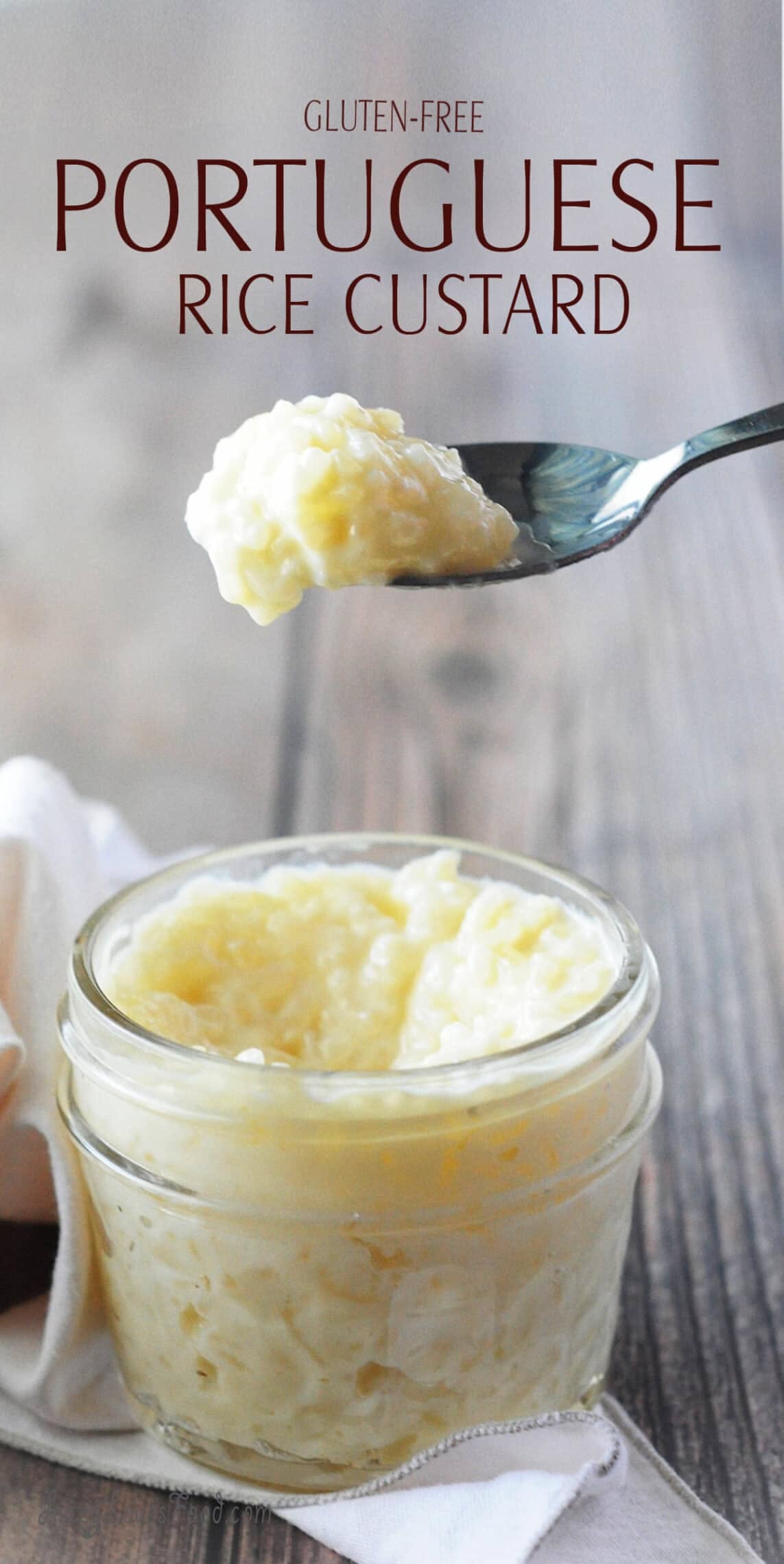
Portuguese Dessert Custard
Learn to make authentic Portuguese custard tarts at home with flaky pastry and creamy, caramelized custard in just 35 minutes.
🧂 Ingredients
- 1 sheet (about 9×9 inches) puff pastry, thawed
- 1 cup (240ml) whole milk
- 1/2 cup (100g) granulated sugar
- 3 large egg yolks
- 2 tablespoons cornstarch
- 1 teaspoon vanilla extract
- 1/2 teaspoon ground cinnamon
- 1 teaspoon lemon zest
- Powdered sugar, for dusting
📋 Instructions
- 1Preheat and Prep — Preheat your oven to 400°F (200°C). Lightly grease a 12-cup muffin tin with butter or non-stick spray. This temperature ensures the pastry puffs and the custard sets quickly.
- 2Line the Tin — Roll the thawed puff pastry on a lightly floured surface to about 1/8-inch thickness. Cut into 6 equal squares (about 4×4 inches). Press each square into a muffin cup, letting the corners stick up. Chill in the fridge while you make the custard.
- 3Heat the Milk — In a small saucepan, combine the milk, sugar, cinnamon, and lemon zest. Heat over medium, stirring occasionally, until the sugar dissolves and the mixture is hot but not boiling (about 160°F/71°C). This infuses the milk with flavor.
- 4Whisk the Yolks — In a medium bowl, whisk the egg yolks, cornstarch, and vanilla extract until smooth and slightly pale. This mixture will thicken the custard when combined with the hot milk.
- 5Temper the Eggs — Slowly pour about 1/3 of the hot milk into the yolk mixture while whisking constantly. This gradually raises the temperature of the eggs without scrambling them. Then, pour the yolk mixture back into the saucepan with the remaining milk.
- 6Cook the Custard — Return the saucepan to medium heat and cook, stirring constantly with a whisk, until the custard thickens and just begins to bubble (about 2-3 minutes). It should coat the back of a spoon. Remove from heat and stir in the vanilla extract if not already added.
- 7Fill the Shells — Remove the muffin tin from the fridge. Pour the warm custard evenly into the pastry-lined cups, filling each about 3/4 full. Don't overfill, as the custard will puff up during baking.
- 8Bake to Perfection — Bake for 20-25 minutes, until the pastry is golden brown and the custard is set with blistered, caramelized spots on top. The internal temperature of the custard should reach 175°F (80°C). If you want extra char, switch to broil for the last 2 minutes, watching closely.
- 9Cool and Serve — Let the tarts cool in the pan for 10 minutes, then carefully remove them with a small spatula. Dust with powdered sugar and cinnamon. Serve warm or at room temperature.

Aisha writes about travel and cultural immersion, sharing stories and tips from her journeys to off-the-beaten-path destinations. She emphasizes respectful tourism, budget-friendly adventures, and the importance of connecting with local communities.