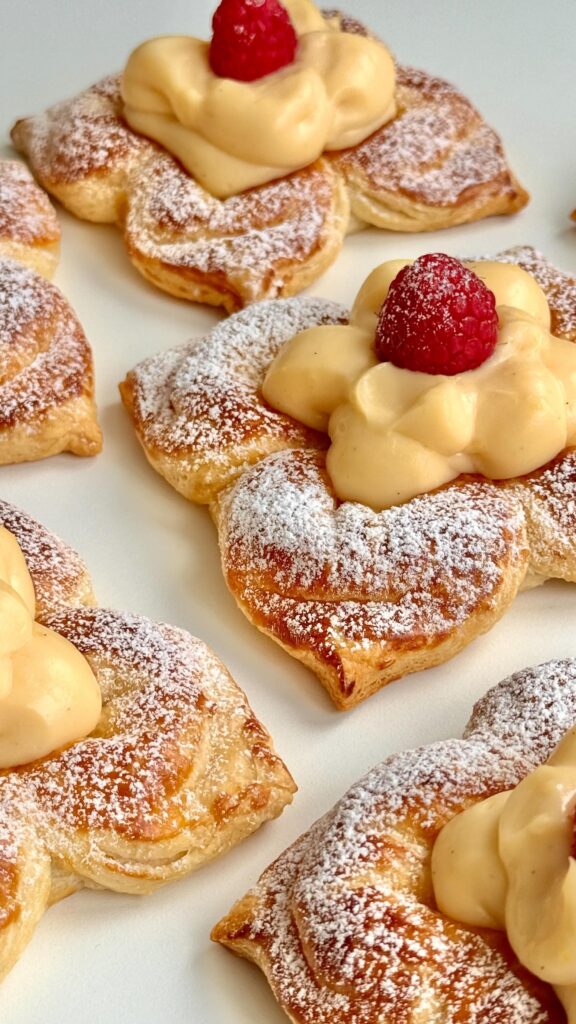
I still remember the first time I bit into a homemade flaky pastry straight from the oven. The shatter of crisp layers, the buttery aroma, and the pure joy of knowing I made it myself. That moment turned me into a pastry enthusiast, and over the years I've perfected my technique to share with you.
Advertisements1
This recipe is my go-to for everything from turnovers to tarts. It's surprisingly simple, requiring just a few basic ingredients and a little patience. Once you master the folding and chilling, you'll have a versatile dough that elevates any filling.
In this post, I'll walk you through every step, share my favorite variations, and answer common questions. By the end, you'll feel confident creating your own flaky masterpieces.
Why You'll Love This Recipe
About the Ingredients
2 cups (250g) all-purpose flour
Use a good quality all-purpose flour. For a flakier texture, you can substitute 1/2 cup with cake flour, but keep the total weight the same.
1 teaspoon salt
Fine sea salt works best. If using table salt, reduce to 3/4 teaspoon to avoid over-salting.
1 cup (226g) unsalted butter, cold and cut into small cubes
Butter is the key to flakiness. European-style butter with higher fat content (like Plugra) yields even more tender layers. Keep it cold until use.
1/2 cup (120ml) ice-cold water
Ice-cold water prevents the butter from melting into the dough. Add more only if needed, one tablespoon at a time.
1 tablespoon lemon juice or vinegar
The acid inhibits gluten development, making the pastry more tender. Apple cider vinegar works too.
Tips & Tricks
Keep everything cold
Cold butter and cold water are non-negotiable. If the dough warms up, pop it in the fridge for 15 minutes between folds.
Don't overwork the dough
Over-kneading develops gluten and makes the pastry tough. Mix until just combined, and handle gently.
Chill the dough before rolling
A relaxed dough is easier to roll and less likely to shrink. Always rest the dough in the fridge for at least 30 minutes after mixing and after each fold.
Pro Tips
Step-by-Step Instructions
1. Mix Dry Ingredients
In a large bowl, whisk together the flour and salt. Make a well in the center. This ensures even distribution of salt.
2. Cut in Butter
Add the cold butter cubes to the flour. Using a pastry blender or your fingertips, work the butter into the flour until it resembles coarse crumbs with some pea-sized butter chunks. The visible butter pieces create steam pockets during baking, leading to flakiness.
3. Add Liquid
In a small bowl, combine the ice-cold water and lemon juice. Pour it over the flour-butter mixture. Use a fork to stir until the dough just comes together. It should be shaggy and slightly crumbly, not a smooth ball.
4. Form and Chill
Turn the dough out onto a lightly floured surface. Gently bring it together with your hands, patting into a rectangle. Wrap in plastic wrap and refrigerate for at least 30 minutes. This relaxes the gluten and re-chills the butter.
5. First Fold
On a floured surface, roll the chilled dough into a long rectangle, about 1/4-inch thick. Fold the top third down, then the bottom third up, like a business letter. Rotate the dough 90 degrees and roll out again. This creates the layers.
6. Second Fold and Chill
Repeat the rolling and folding process one more time. Wrap in plastic and refrigerate for another 30 minutes. This ensures distinct layers and prevents the butter from melting.
7. Roll and Cut
After chilling, roll the dough out to your desired thickness (usually about 1/8-inch for pastries). Cut into shapes or use as directed in your recipe. If the dough sticks, dust with a little flour.
8. Bake to Golden
Preheat your oven to 400°F (200°C). Place your filled pastries on a baking sheet lined with parchment. Brush with egg wash if desired. Bake for 20-25 minutes, until the pastry is puffed and deep golden brown. The edges should be crispy and the bottom should be firm when tapped.
Delicious Variations
Sweet
Fill with cinnamon-spiced apples and raisins for classic turnovers.
Savory
Spread with pesto, top with mozzarella and cherry tomatoes for a quick tart.
Breakfast
Cut into squares, top with scrambled eggs, cheese, and bacon for a hearty hand pie.
How to Store Flaky Pastry Recipe Ideas
Refrigerator
Wrap tightly in plastic wrap and store in the fridge for up to 3 days. Allow to come to room temperature before rolling.
Freezer
Freeze the wrapped dough for up to 3 months. Thaw overnight in the fridge before using.
Reheating
Reheat baked pastries in a 350°F (175°C) oven for 5-7 minutes to restore crispness.
Frequently Asked Questions
Q: Can I use salted butter instead of unsalted?
Yes, you can use salted butter, but reduce the added salt in the recipe to 1/4 teaspoon to avoid overly salty pastry.
Q: Why is my pastry tough and not flaky?
Tough pastry usually means the dough was overworked or too much water was added. Handle the dough as little as possible and add water sparingly. Also, ensure the butter stays cold.
Q: Can I make this pastry with gluten-free flour?
Yes, you can use a 1:1 gluten-free baking flour blend, but the texture will be more crumbly. Add a teaspoon of xanthan gum if your blend doesn't include it.
Q: How do I prevent the filling from making the pastry soggy?
Brush the pastry base with a thin layer of egg wash or melted butter before adding the filling. This creates a barrier that prevents moisture from seeping in.
I'd love to hear how your flaky pastry turns out! What fillings will you try? Share your creations in the comments below, and don't forget to tag me in your photos. Happy baking! Small steps, big change.
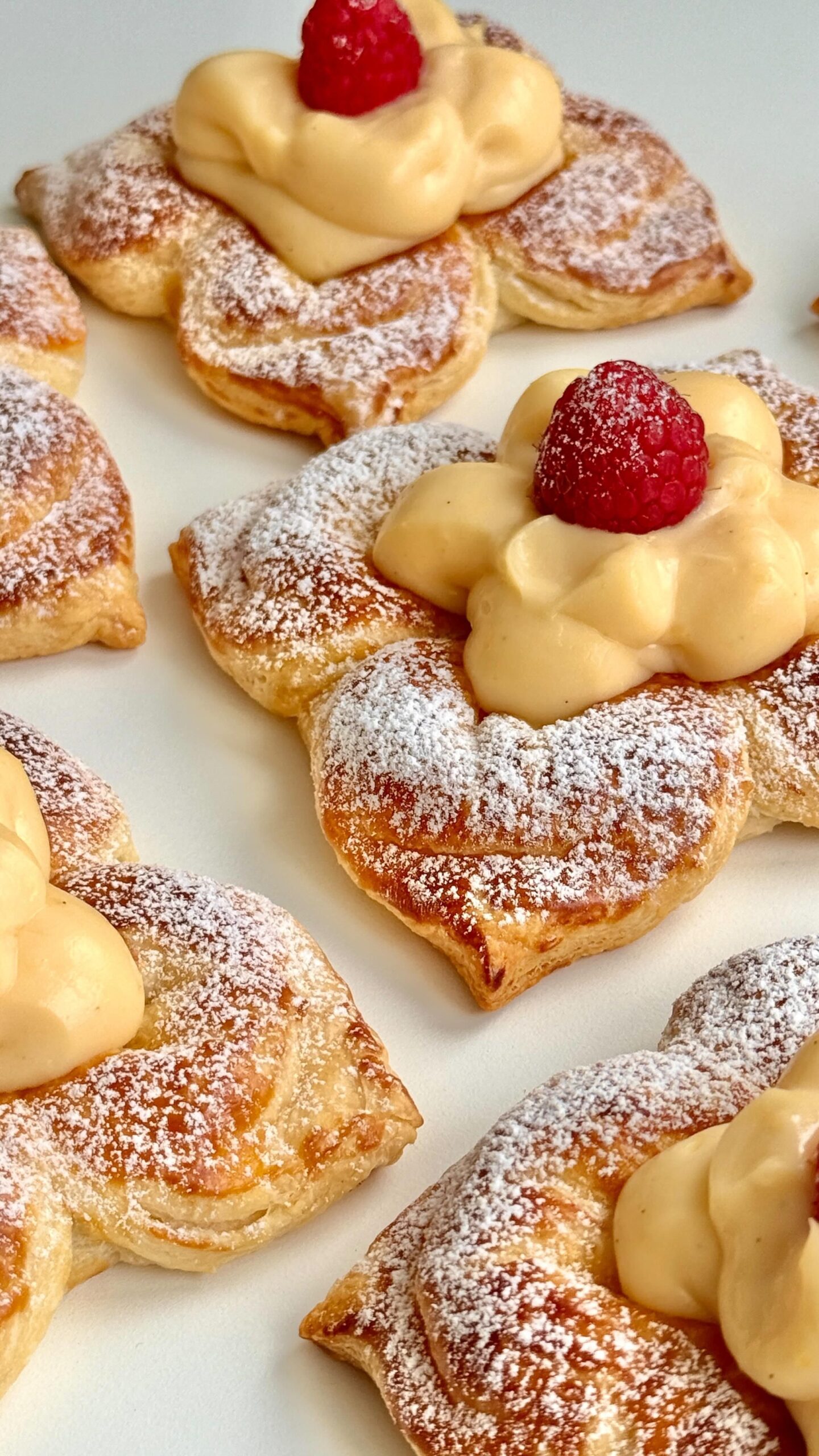
Flaky Pastry Recipe Ideas
Learn to make perfect flaky pastry from scratch, then use it for sweet and savory creations. Buttery, crisp, and endlessly versatile!
🧂 Ingredients
- 2 cups (250g) all-purpose flour
- 1 teaspoon salt
- 1 cup (226g) unsalted butter, cold and cut into small cubes
- 1/2 cup (120ml) ice-cold water
- 1 tablespoon lemon juice or vinegar
📋 Instructions
- 1Mix Dry Ingredients — In a large bowl, whisk together the flour and salt. Make a well in the center. This ensures even distribution of salt.
- 2Cut in Butter — Add the cold butter cubes to the flour. Using a pastry blender or your fingertips, work the butter into the flour until it resembles coarse crumbs with some pea-sized butter chunks. The visible butter pieces create steam pockets during baking, leading to flakiness.
- 3Add Liquid — In a small bowl, combine the ice-cold water and lemon juice. Pour it over the flour-butter mixture. Use a fork to stir until the dough just comes together. It should be shaggy and slightly crumbly, not a smooth ball.
- 4Form and Chill — Turn the dough out onto a lightly floured surface. Gently bring it together with your hands, patting into a rectangle. Wrap in plastic wrap and refrigerate for at least 30 minutes. This relaxes the gluten and re-chills the butter.
- 5First Fold — On a floured surface, roll the chilled dough into a long rectangle, about 1/4-inch thick. Fold the top third down, then the bottom third up, like a business letter. Rotate the dough 90 degrees and roll out again. This creates the layers.
- 6Second Fold and Chill — Repeat the rolling and folding process one more time. Wrap in plastic and refrigerate for another 30 minutes. This ensures distinct layers and prevents the butter from melting.
- 7Roll and Cut — After chilling, roll the dough out to your desired thickness (usually about 1/8-inch for pastries). Cut into shapes or use as directed in your recipe. If the dough sticks, dust with a little flour.
- 8Bake to Golden — Preheat your oven to 400°F (200°C). Place your filled pastries on a baking sheet lined with parchment. Brush with egg wash if desired. Bake for 20-25 minutes, until the pastry is puffed and deep golden brown. The edges should be crispy and the bottom should be firm when tapped.

Maya writes about sustainable living and zero-waste practices, focusing on small, actionable changes for everyday life. She shares practical tips on reducing plastic, composting, and mindful consumption, drawn from her own experiments at home.