
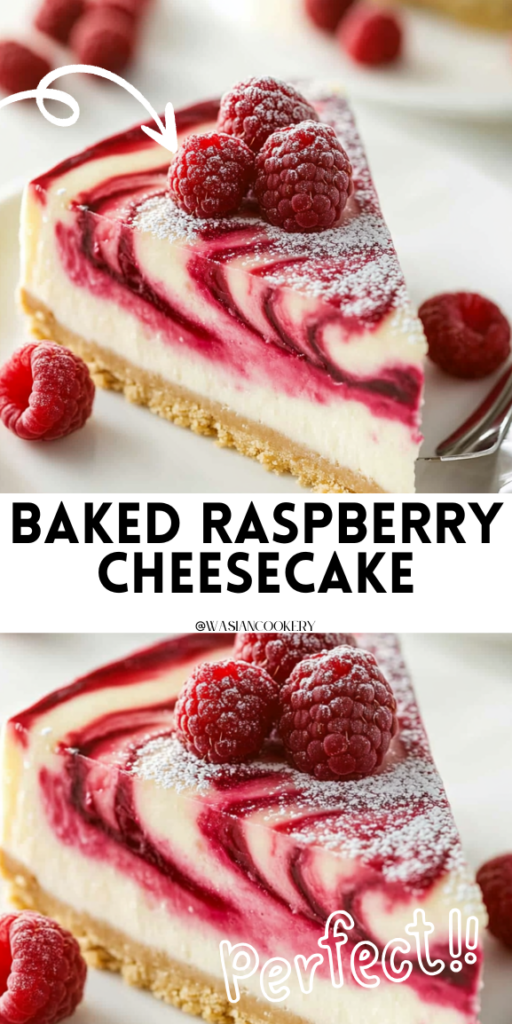
Baked Cheesecake Dessert is the kind of dessert that feels indulgent but is actually straightforward to pull off. With a buttery graham cracker crust and a silky, tangy filling, this cheesecake bakes to a perfect golden top with a creamy center. It's a reliable recipe that delivers consistent results every time, thanks to a few key techniques.
Advertisements1
I've tested this recipe multiple times to get the ratios right. The filling uses a precise balance of cream cheese, sugar, and eggs, and the water bath ensures even cooking without cracks. Whether you're a beginner or a seasoned baker, this cheesecake is a solid choice for holidays, birthdays, or just because.
The result is a dessert that's rich but not heavy, with a smooth texture that slices cleanly. Serve it plain, or top with fresh berries, caramel, or chocolate ganache. It's a versatile canvas for your favorite flavors.
Why You'll Love This Recipe
About the Ingredients
1 1/2 cups (150g) graham cracker crumbs
Use store-bought crumbs or crush whole crackers. For a different flavor, try using crushed vanilla wafers or shortbread cookies.
1/4 cup (50g) granulated sugar
Adds sweetness to the crust. You can reduce to 2 tablespoons if you prefer a less sweet crust.
6 tablespoons (85g) unsalted butter, melted
Binds the crust. If using salted butter, reduce added salt in the filling to 1/4 teaspoon.
4 packages (8 oz each, 900g total) cream cheese, softened
Use full-fat block cream cheese for best texture. Neufchâtel (1/3 less fat) works but yields a slightly softer set.
1 cup (200g) granulated sugar
Sweetens the filling. You can use a sugar substitute like Swerve for a lower-carb version, but texture may vary.
1/4 cup (60g) sour cream
Adds tang and moisture. Greek yogurt is a good substitute.
1 teaspoon vanilla extract
Use pure vanilla for best flavor. Vanilla bean paste works too.
3 large eggs, at room temperature
Room temperature eggs blend smoothly and prevent overmixing. Place cold eggs in warm water for 5 minutes if needed.
1 tablespoon all-purpose flour
Stabilizes the filling and helps prevent cracking. You can omit for a denser texture, but it helps.
Tips & Tricks
Use a water bath
wrap the springform pan in heavy-duty foil and place it in a larger pan with hot water. This keeps the oven moist and the cheesecake from cracking.
- Make sure your cream cheese is truly softened to room temperature to avoid lumps. Cold cream cheese creates a lumpy batter.
- Do not overmix the filling after adding eggs; mix just until combined. Overmixing incorporates too much air, which can cause cracks.
- Let the cheesecake cool slowly in the oven with the door cracked for 1 hour to prevent sudden temperature changes that cause cracking.
Pro Tips
Step-by-Step Instructions
1. Prepare the Crust
Preheat oven to 350°F (175°C). In a medium bowl, mix graham cracker crumbs, 1/4 cup sugar, and melted butter until well combined. Press firmly into the bottom of a 9-inch springform pan. Bake for 10 minutes, until lightly golden. Set aside to cool.
2. Beat Cream Cheese
In a large bowl, beat the softened cream cheese with an electric mixer on medium speed until smooth and creamy, about 2 minutes. Scrape down the sides and beat for another minute.
3. Add Sugar and Flavorings
Gradually add 1 cup sugar, beating until smooth. Mix in sour cream and vanilla extract. Beat in the flour until just combined.
4. Add Eggs One at a Time
Add eggs one at a time, beating on low speed just until incorporated after each addition. Do not overmix. The batter should be smooth and creamy.
5. Pour and Prepare Water Bath
Pour the filling over the cooled crust. Smooth the top with a spatula. Wrap the outside of the springform pan with two layers of heavy-duty aluminum foil. Place the pan in a larger roasting pan.
6. Bake in Water Bath
Pour hot water into the roasting pan to reach halfway up the sides of the springform pan. Carefully transfer to the oven. Bake at 350°F (175°C) for 55-65 minutes, until the edges are set and the center is slightly jiggly. The internal temperature should read 150°F (65°C) when done.
7. Cool and Chill
Turn off the oven and crack the door open. Let the cheesecake cool in the oven for 1 hour. Then remove from the water bath, remove foil, and cool completely on a wire rack. Cover and refrigerate for at least 6 hours or overnight.
8. Serve
Run a knife around the edge of the pan before releasing the springform. Slice with a sharp knife, wiping the blade clean between cuts. Serve chilled.
Delicious Variations
Chocolate Swirl
Melt 1/2 cup chocolate chips and swirl into the batter before baking.
Berry Topping
Top each slice with fresh strawberries or a homemade berry compote.
Citrus Zest
Add 1 tablespoon lemon zest and 1 tablespoon lemon juice to the filling for a bright flavor.
How to Store Baked Cheesecake Dessert
Refrigerator
Store cheesecake in the refrigerator, covered, for up to 5 days. Keep it in the springform pan or an airtight container to prevent drying.
Freezer
Wrap the cooled cheesecake tightly in plastic wrap and then aluminum foil. Freeze for up to 2 months. Thaw overnight in the refrigerator before serving.
Reheating
This cheesecake is served cold. If you prefer it slightly warm, microwave individual slices for 10-15 seconds, but be careful not to melt the texture.
Frequently Asked Questions
Q: Why did my cheesecake crack?
Cracks are usually caused by overbaking or sudden temperature changes. Bake until the center is slightly jiggly (150°F/65°C) and cool gradually in the oven with the door ajar.
Q: Can I use low-fat cream cheese?
Yes, but the texture will be softer and less creamy. Full-fat cream cheese gives the best results. Neufchâtel (1/3 less fat) is a good compromise.
Q: How do I know when the cheesecake is done?
The edges should be set and lightly golden, while the center should still wobble slightly when shaken. An instant-read thermometer should read 150°F (65°C) in the center.
Q: Can I make this cheesecake without a water bath?
Yes, but the water bath helps prevent cracks. If you skip it, place a pan of hot water on the oven rack below the cheesecake to add moisture.
Q: How long should I chill the cheesecake?
Chill for at least 6 hours, but overnight is best. This allows the cheesecake to set fully and develop flavor.
If you've tried this Baked Cheesecake Dessert, let me know how it turned out in the comments below. Share your variations and questions—I'd love to hear from you. Keep it simple, keep it growing.
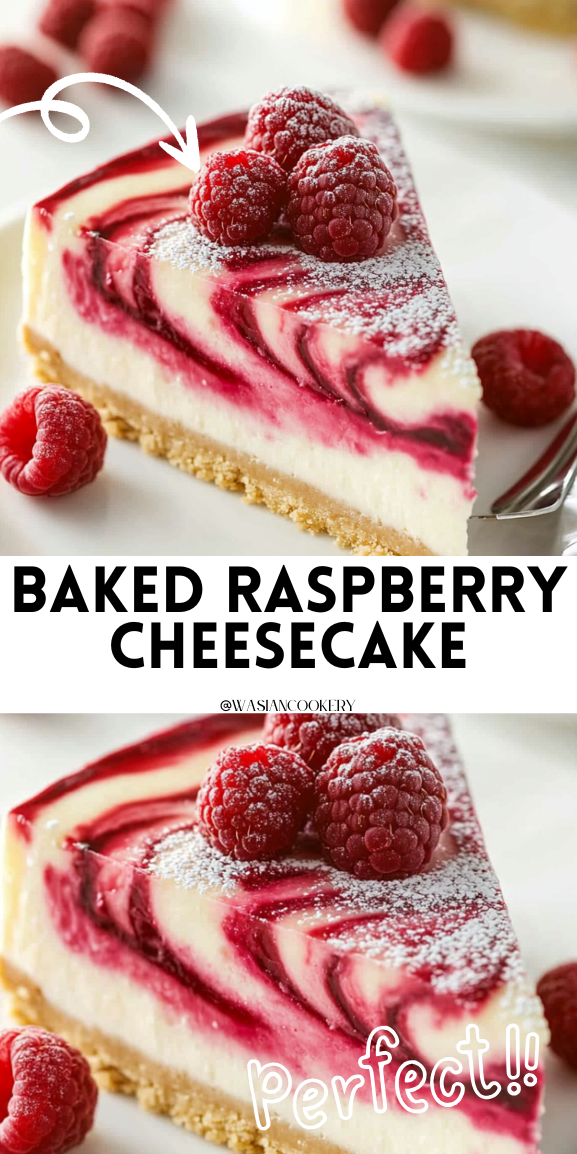
Baked Cheesecake Dessert
Baked Cheesecake Dessert: a creamy, golden-topped classic that's surprisingly simple to make and always impresses.
🧂 Ingredients
- 1 1/2 cups (150g) graham cracker crumbs
- 1/4 cup (50g) granulated sugar
- 6 tablespoons (85g) unsalted butter, melted
- 4 packages (8 oz each, 900g total) cream cheese, softened
- 1 cup (200g) granulated sugar
- 1/4 cup (60g) sour cream
- 1 teaspoon vanilla extract
- 3 large eggs, at room temperature
- 1 tablespoon all-purpose flour
📋 Instructions
- 1Prepare the Crust — Preheat oven to 350°F (175°C). In a medium bowl, mix graham cracker crumbs, 1/4 cup sugar, and melted butter until well combined. Press firmly into the bottom of a 9-inch springform pan. Bake for 10 minutes, until lightly golden. Set aside to cool.
- 2Beat Cream Cheese — In a large bowl, beat the softened cream cheese with an electric mixer on medium speed until smooth and creamy, about 2 minutes. Scrape down the sides and beat for another minute.
- 3Add Sugar and Flavorings — Gradually add 1 cup sugar, beating until smooth. Mix in sour cream and vanilla extract. Beat in the flour until just combined.
- 4Add Eggs One at a Time — Add eggs one at a time, beating on low speed just until incorporated after each addition. Do not overmix. The batter should be smooth and creamy.
- 5Pour and Prepare Water Bath — Pour the filling over the cooled crust. Smooth the top with a spatula. Wrap the outside of the springform pan with two layers of heavy-duty aluminum foil. Place the pan in a larger roasting pan.
- 6Bake in Water Bath — Pour hot water into the roasting pan to reach halfway up the sides of the springform pan. Carefully transfer to the oven. Bake at 350°F (175°C) for 55-65 minutes, until the edges are set and the center is slightly jiggly. The internal temperature should read 150°F (65°C) when done.
- 7Cool and Chill — Turn off the oven and crack the door open. Let the cheesecake cool in the oven for 1 hour. Then remove from the water bath, remove foil, and cool completely on a wire rack. Cover and refrigerate for at least 6 hours or overnight.
- 8Serve — Run a knife around the edge of the pan before releasing the springform. Slice with a sharp knife, wiping the blade clean between cuts. Serve chilled.

Liam covers personal finance and investing for beginners, demystifying money management with clear, no-nonsense advice. He focuses on budgeting, saving, and long-term wealth building, often using real-life scenarios to illustrate concepts.