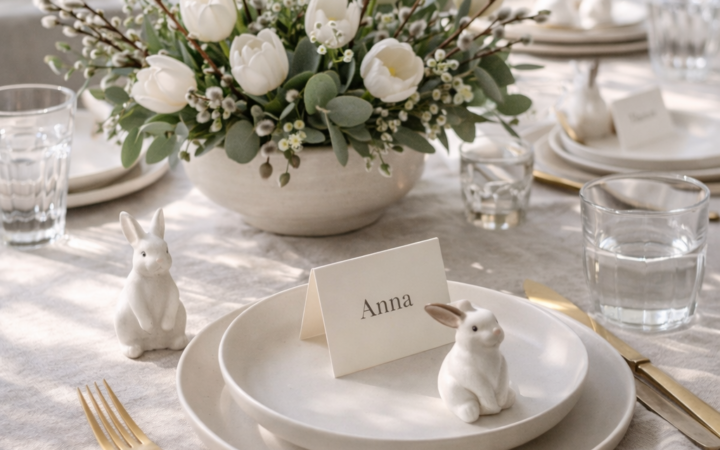

Easter dinner calls for something special, and this herb-roasted lamb shoulder is my quiet celebration of spring. The meat turns fork-tender, infused with rosemary and garlic, while the surrounding vegetables soak up all the savory juices.
Advertisements1
I keep the method simple: a long, slow roast at a moderate temperature lets the lamb become meltingly soft. The vegetables go in halfway, so they caramelize without burning. It's a meal that fills the house with warmth and invites everyone to gather.
There's no need for fussy techniques or exotic ingredients—just good lamb, fresh herbs, and the patience to let the oven do its work. This is cooking that rewards you with both aroma and taste, leaving you free to enjoy the company.
Why You'll Love This Recipe
About the Ingredients
1 bone-in lamb shoulder (about 4 lbs / 1.8 kg)
Ask your butcher for a bone-in shoulder; it stays moist during long roasting. If preferred, use a boneless leg of lamb and adjust cooking time.
6 cloves garlic, minced
Fresh garlic is key. For a milder flavor, roast whole cloves alongside the lamb.
2 tablespoons fresh rosemary, chopped
Dried rosemary works in a pinch, but reduce to 1 tablespoon. You can also use thyme or oregano.
2 tablespoons olive oil
Extra-virgin olive oil adds richness. Use a neutral oil like canola if you prefer.
1 teaspoon salt
Use kosher salt for even seasoning. Adjust to taste if using fine table salt.
1/2 teaspoon black pepper
Freshly ground pepper is best. Feel free to add red pepper flakes for heat.
1 lb (450g) baby carrots, trimmed
Look for multicolored carrots for visual appeal. Regular carrots, peeled and cut into 2-inch pieces, work too.
1.5 lbs (680g) baby potatoes, halved
Yukon Gold or red potatoes hold their shape. Larger potatoes can be quartered.
1 large red onion, cut into wedges
Sweet onions like Vidalia are also lovely. If you don't like onion, omit or use shallots.
1 cup (240ml) low-sodium chicken broth
Vegetable broth or dry white wine can substitute. The liquid helps create a light pan sauce.
Tips & Tricks
- Bring the lamb to room temperature for 30 minutes before roasting to promote even cooking.
- Trim excess fat from the lamb, but leave a thin layer to keep it moist.
- Let the lamb rest for at least 15 minutes after roasting to allow juices to redistribute.
- Use a meat thermometer to check doneness—lamb is best medium-rare at 135°F (57°C) for shoulder, or medium at 145°F (63°C).
Pro Tips
Step-by-Step Instructions
1. Preheat and Prep
Preheat your oven to 325°F (163°C). In a small bowl, mix the minced garlic, chopped rosemary, olive oil, salt, and pepper to form a paste. Place the lamb shoulder in a large roasting pan or Dutch oven, and rub the paste all over the meat. Let it sit while you prepare the vegetables.
2. Season the Vegetables
In a separate bowl, toss the baby carrots, halved potatoes, and red onion wedges with a drizzle of olive oil and a pinch of salt and pepper. Arrange them around the lamb in the roasting pan. Pour the chicken broth into the bottom of the pan, being careful not to wash the seasoning off the meat.
3. Roast the Lamb
Place the pan in the preheated oven and roast, uncovered, for 2 to 2.5 hours, or until the lamb is fork-tender and reaches an internal temperature of 180°F (82°C) for pull-apart texture (or 145°F/63°C for medium, if you prefer). Baste the lamb and vegetables with the pan juices every 30 minutes to keep everything moist and flavorful. The vegetables should be golden and caramelized at the edges.
4. Rest the Meat
Once the lamb is done, remove the pan from the oven and transfer the lamb to a cutting board. Tent it loosely with aluminum foil and let it rest for at least 15 minutes. This allows the juices to redistribute, ensuring every slice is succulent.
5. Make a Quick Sauce
While the meat rests, place the roasting pan over medium heat on the stovetop. Scrape up any browned bits from the bottom, and let the juices simmer for 2-3 minutes until slightly thickened. Taste and adjust seasoning with salt and pepper. If the sauce seems too thin, you can whisk in a teaspoon of cornstarch mixed with a tablespoon of water.
6. Carve and Serve
Carve the lamb into thick slices or chunks, discarding any large bones. Arrange the lamb on a serving platter surrounded by the roasted vegetables. Drizzle with the pan sauce and garnish with extra fresh rosemary if desired. Serve warm, and enjoy the moment.
Delicious Variations
Swap the herbs
use thyme and oregano for a Mediterranean twist, or add a teaspoon of smoked paprika to the rub.
- Use a boneless leg of lamb instead of shoulder, and roast at 375°F (190°C) for about 1.5 hours for medium-rare.
- Make it a one-pot meal by adding a cup of pearl onions and a handful of green beans in the last 20 minutes of roasting.
How to Store Easter Herb Roasted Lamb with Spring Vegetables
Refrigerator
Store leftover lamb and vegetables in an airtight container in the refrigerator for up to 4 days. The flavors deepen overnight.
Freezer
Freeze shredded lamb in a freezer-safe container with a little pan juice for up to 3 months. Thaw overnight in the fridge before reheating.
Reheating
Reheat gently in a 300°F (150°C) oven, covered, until warmed through. Add a splash of broth to keep it moist.
Frequently Asked Questions
Q: What is the best cut of lamb for Easter roasting?
The best cut is a bone-in leg of lamb or a shoulder. Leg is leaner and roasts beautifully, while shoulder is more forgiving and becomes meltingly tender with slow cooking.
Q: How long should I roast lamb per pound?
For a bone-in leg of lamb at 325°F (163°C), roast about 20 minutes per pound for medium-rare. For shoulder, plan on 30-35 minutes per pound for fall-apart tenderness.
Q: Should I cover the lamb while roasting?
No, leave it uncovered to allow the exterior to brown and crisp. If the top browns too quickly, you can loosely tent with foil for the last 30 minutes.
Q: What temperature should lamb be when done?
For medium-rare, cook to 135°F (57°C) and rest to 145°F (63°C). For medium, cook to 145°F (63°C) and rest to 155°F (68°C). The temperature will rise during resting.
Q: Can I prepare this dish ahead of time?
Yes, you can season the lamb and prepare the vegetables a day ahead. Store them separately in the refrigerator, then roast as directed, adding 15-20 minutes to the cooking time since the meat is cold.
If you try this Easter Herb Roasted Lamb, I'd love to hear how it turns out. Share your experience in the comments below, and don't forget to tag a friend who loves a good roast.

Easter Herb Roasted Lamb with Spring Vegetables
Easter Herb Roasted Lamb with Spring Vegetables: a tender, garlicky centerpiece with vibrant carrots and potatoes, perfect for a memorable holiday meal.
🧂 Ingredients
- 1 bone-in lamb shoulder (about 4 lbs / 1.8 kg)
- 6 cloves garlic, minced
- 2 tablespoons fresh rosemary, chopped
- 2 tablespoons olive oil
- 1 teaspoon salt
- 1/2 teaspoon black pepper
- 1 lb (450g) baby carrots, trimmed
- 1.5 lbs (680g) baby potatoes, halved
- 1 large red onion, cut into wedges
- 1 cup (240ml) low-sodium chicken broth
📋 Instructions
- 1Preheat and Prep — Preheat your oven to 325°F (163°C). In a small bowl, mix the minced garlic, chopped rosemary, olive oil, salt, and pepper to form a paste. Place the lamb shoulder in a large roasting pan or Dutch oven, and rub the paste all over the meat. Let it sit while you prepare the vegetables.
- 2Season the Vegetables — In a separate bowl, toss the baby carrots, halved potatoes, and red onion wedges with a drizzle of olive oil and a pinch of salt and pepper. Arrange them around the lamb in the roasting pan. Pour the chicken broth into the bottom of the pan, being careful not to wash the seasoning off the meat.
- 3Roast the Lamb — Place the pan in the preheated oven and roast, uncovered, for 2 to 2.5 hours, or until the lamb is fork-tender and reaches an internal temperature of 180°F (82°C) for pull-apart texture (or 145°F/63°C for medium, if you prefer). Baste the lamb and vegetables with the pan juices every 30 minutes to keep everything moist and flavorful. The vegetables should be golden and caramelized at the edges.
- 4Rest the Meat — Once the lamb is done, remove the pan from the oven and transfer the lamb to a cutting board. Tent it loosely with aluminum foil and let it rest for at least 15 minutes. This allows the juices to redistribute, ensuring every slice is succulent.
- 5Make a Quick Sauce — While the meat rests, place the roasting pan over medium heat on the stovetop. Scrape up any browned bits from the bottom, and let the juices simmer for 2-3 minutes until slightly thickened. Taste and adjust seasoning with salt and pepper. If the sauce seems too thin, you can whisk in a teaspoon of cornstarch mixed with a tablespoon of water.
- 6Carve and Serve — Carve the lamb into thick slices or chunks, discarding any large bones. Arrange the lamb on a serving platter surrounded by the roasted vegetables. Drizzle with the pan sauce and garnish with extra fresh rosemary if desired. Serve warm, and enjoy the moment.

Kenji explores technology and digital minimalism, helping readers declutter their digital lives and focus on what matters. He writes about app selection, notification management, and creating healthy tech habits, based on his own experiments with unplugging.