
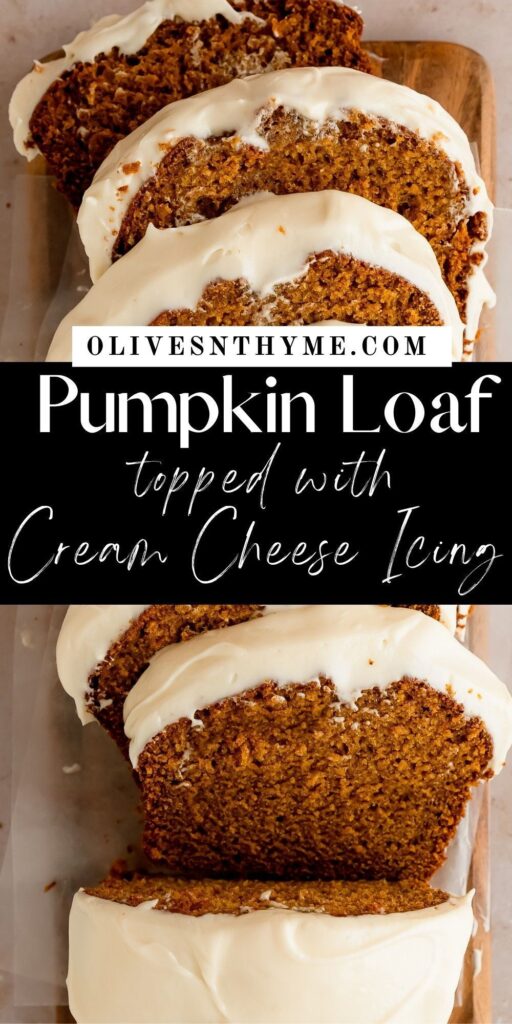
I still remember the first time I brought a plain carrot cake to my neighbor Brenda's potluck, slathered in a cream cheese icing so tangy and soft that three people asked me for the recipe before the paper plates hit the trash. I panicked and said 'oh, it's just a basic frosting,' which was a lie, because I'd already tested it eleven times that month.
Advertisements1
Here's the thing nobody tells you: cream cheese icing is not just buttercream with a brick of cream cheese thrown in. It has its own rules, its own temperature tantrums, and its own reward, which is that unmistakable sweet-tart bite that makes banana bread, red velvet, cinnamon rolls, and even a humble sheet cake taste like something from a bakery case.
This is the recipe I use for all of them. One bowl, one mixer, real measurements, and the exact cues that tell you when it's silky instead of soupy. If you've ever watched your icing slide off a layer cake like it was trying to escape, this one is for you.
Why You'll Love This Recipe
About the Ingredients
2 blocks (16 oz / 452g) full-fat cream cheese, softened to room temperature
Full-fat brick cream cheese is non-negotiable here, since the spreadable tub kind is whipped with air and water and turns icing soupy. If you only have whipped, drain it in a fine-mesh strainer for 30 minutes first.
1 cup (2 sticks / 227g) unsalted butter, softened to room temperature
European-style butter with higher fat gives a richer, firmer set. If you only have salted butter, cut the added salt to a tiny pinch.
5 cups (600g) powdered sugar, sifted
Sifting is what keeps the icing lump-free, so don't skip it even if you're in a hurry. For a less sweet version, use 4 cups and add 2 tablespoons cornstarch for body.
2 teaspoons vanilla extract
Real vanilla extract beats imitation every time in a frosting this simple. Bourbon vanilla or vanilla bean paste adds a lovely fleck and deeper flavor.
1 to 2 tablespoons heavy cream or whole milk
Add this last, one teaspoon at a time, because humidity changes how much liquid the icing needs. Half-and-half works, but skim milk makes a thinner frosting.
1/4 teaspoon fine sea salt
A pinch of salt is what keeps cream cheese icing from tasting flat and one-note. Kosher salt works if you crush it between your fingers first.
1 teaspoon fresh lemon juice, optional
This is my secret for brightening the tang without making it taste like lemon frosting. Bottled lemon juice is fine in a pinch, but fresh is noticeably better.
Tips & Tricks
- Temperature is everything. Cold cream cheese and cold butter will seize into curds, and warm cream cheese will make a puddle. Let both sit on the counter for 45 to 60 minutes until they dent easily when pressed.
- Sift the powdered sugar, always. One minute with a sieve saves you five minutes of chasing lumps and a frosting that looks speckled on top of a beautiful cake.
- Beat the butter and cream cheese first, alone, for a full 3 minutes. This builds the structure that later holds all that sugar, and it's the difference between fluffy and greasy.
- If the icing looks loose, chill the bowl for 20 minutes instead of adding more sugar. Extra sugar makes it grainy and crusty, while chilling fixes the texture without changing the flavor.
Pro Tips
Step-by-Step Instructions
1. Soften The Dairy
Set the cream cheese and butter out on the counter for 45 to 60 minutes until both are around 68F (20C) and press in easily with a finger. If you forgot, cut them into cubes and microwave in 5-second bursts, but never let them get warm or greasy.
2. Beat The Base
In a stand mixer with the paddle attachment, beat the cream cheese and butter on medium speed for 3 minutes until completely smooth, pale, and free of lumps. Scrape down the bowl and paddle halfway through.
3. Add The Flavor
Beat in the vanilla, salt, and lemon juice on low speed for 20 seconds. You're looking for a smooth, glossy base with no streaks of unincorporated butter.
4. Sift In The Sugar
With the mixer on low, add the sifted powdered sugar one cup at a time, waiting until each addition disappears before adding the next. The mixture will look crumbly at first, then come together into a thick paste.
5. Loosen Gently
Add the heavy cream one teaspoon at a time on low speed until the icing turns silky and spreadable, about 1 to 2 tablespoons total. Stop as soon as it holds a soft peak on the beater.
6. Whip And Check
Scrape the bowl, then beat on medium for 30 seconds until fluffy. Dip a spoon in and turn it upside down; the icing should cling and hold a gentle point, not drip off.
7. Chill Before Using
Cover and refrigerate for 20 to 30 minutes if you plan to pipe, or use it right away to spread. If it firms up too much, stir it with a spatula for 30 seconds to bring it back.
8. Frost And Rest
Spread or pipe over a completely cooled cake or cupcakes, then refrigerate the finished dessert for 30 minutes so the icing sets before slicing. Serve at 68F (20C) for the best texture.
Delicious Variations
Lemon Cream Cheese Icing
Swap the heavy cream for fresh lemon juice and add 1 tablespoon lemon zest for a bright, citrusy version that's perfect on pound cake.
Espresso Cream Cheese Icing
Dissolve 1 tablespoon instant espresso powder in the heavy cream before adding it, for a mocha frosting that's incredible on chocolate cupcakes.
Maple Pecan Cream Cheese Icing
Replace 1/4 cup of the powdered sugar with maple syrup and fold in 1/2 cup toasted chopped pecans for a fall-flavored topping on spice cake.
How to Store Recipes With Cream Cheese Icing
Refrigerator
Store frosted cakes and cupcakes in an airtight container in the refrigerator for up to 4 days. Plain icing keeps in a sealed container for up to 1 week; let it sit at room temperature for 20 minutes and stir before using.
Freezer
Freeze plain cream cheese icing in a freezer-safe container for up to 3 months. Thaw overnight in the refrigerator, then beat on low with a splash of cream to restore the texture.
Reheating
Never microwave cream cheese icing, as it will break and turn greasy. Instead, let it sit at room temperature for 20 to 30 minutes and stir vigorously, or place the bowl over a bowl of warm water for 1 minute while stirring.
Frequently Asked Questions
Q: Why is my cream cheese icing runny?
Your cream cheese or butter was too warm, or you used spreadable tub cream cheese instead of the brick style. Chill the bowl for 20 to 30 minutes and beat again; only add more sugar as a last resort, since it makes the icing grainy.
Q: Can I make cream cheese icing ahead of time?
Yes, you can make it up to 3 days ahead and store it covered in the refrigerator. Let it sit at room temperature for 20 minutes, then stir or beat briefly before spreading, since cold icing will tear your cake.
Q: How much frosting does this recipe make?
This makes about 5 cups, which generously frosts a 9×13-inch sheet cake, a two-layer 8-inch round cake, or 24 cupcakes. For a three-layer cake or heavy piping, make 1.5 times the recipe.
Q: Does cream cheese icing need to be refrigerated?
Yes, because it contains cream cheese and butter, it must be refrigerated after about 2 hours at room temperature. Any cake you frost should be stored in the fridge and brought out 20 minutes before serving for the best texture.
Q: Can I use low-fat or whipped cream cheese for icing?
You can, but the icing will be softer, tangier, and much harder to pipe. If you only have whipped cream cheese, drain it in a fine-mesh strainer for 30 minutes and reduce the heavy cream to 1 teaspoon.
So grab those two blocks of cream cheese, let them soften on the counter while you preheat the oven, and make the frosting that turns any cake into the one people remember. If you try it, tell me in the comments what you frosted, and whether you went lemon or vanilla, because I genuinely want to know. You're doing better than you think.
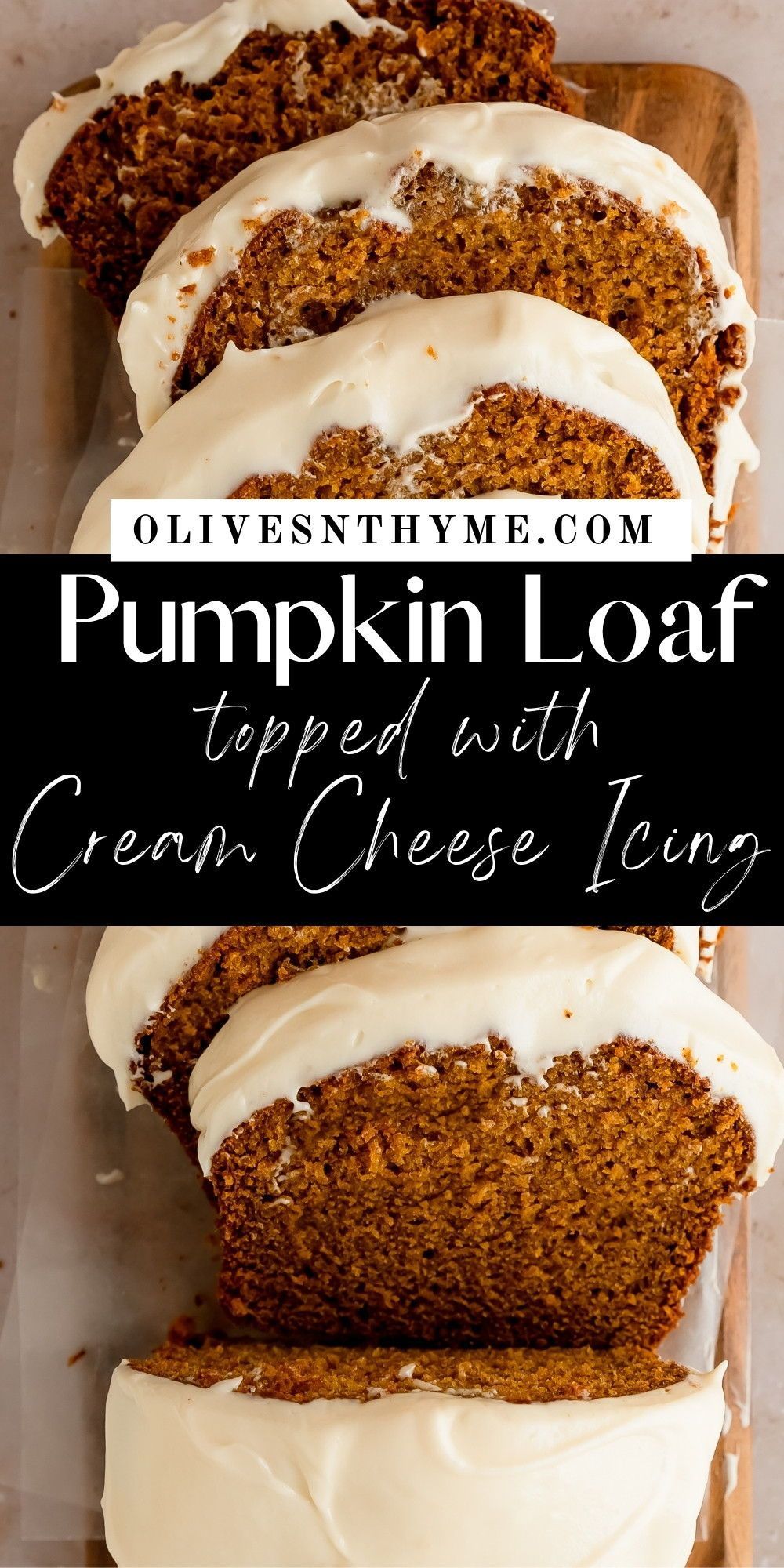
Recipes With Cream Cheese Icing
Recipes with cream cheese icing turn simple cakes into tangy, silky showstoppers, with one foolproof frosting that stays glossy and never goes runny.
🧂 Ingredients
- 2 blocks (16 oz / 452g) full-fat cream cheese, softened to room temperature
- 1 cup (2 sticks / 227g) unsalted butter, softened to room temperature
- 5 cups (600g) powdered sugar, sifted
- 2 teaspoons vanilla extract
- 1 to 2 tablespoons heavy cream or whole milk
- 1/4 teaspoon fine sea salt
- 1 teaspoon fresh lemon juice, optional
📋 Instructions
- 1Soften The Dairy — Set the cream cheese and butter out on the counter for 45 to 60 minutes until both are around 68F (20C) and press in easily with a finger. If you forgot, cut them into cubes and microwave in 5-second bursts, but never let them get warm or greasy.
- 2Beat The Base — In a stand mixer with the paddle attachment, beat the cream cheese and butter on medium speed for 3 minutes until completely smooth, pale, and free of lumps. Scrape down the bowl and paddle halfway through.
- 3Add The Flavor — Beat in the vanilla, salt, and lemon juice on low speed for 20 seconds. You're looking for a smooth, glossy base with no streaks of unincorporated butter.
- 4Sift In The Sugar — With the mixer on low, add the sifted powdered sugar one cup at a time, waiting until each addition disappears before adding the next. The mixture will look crumbly at first, then come together into a thick paste.
- 5Loosen Gently — Add the heavy cream one teaspoon at a time on low speed until the icing turns silky and spreadable, about 1 to 2 tablespoons total. Stop as soon as it holds a soft peak on the beater.
- 6Whip And Check — Scrape the bowl, then beat on medium for 30 seconds until fluffy. Dip a spoon in and turn it upside down; the icing should cling and hold a gentle point, not drip off.
- 7Chill Before Using — Cover and refrigerate for 20 to 30 minutes if you plan to pipe, or use it right away to spread. If it firms up too much, stir it with a spatula for 30 seconds to bring it back.
- 8Frost And Rest — Spread or pipe over a completely cooled cake or cupcakes, then refrigerate the finished dessert for 30 minutes so the icing sets before slicing. Serve at 68F (20C) for the best texture.

Sofia writes about parenting and family wellness, exploring the messy, joyful reality of raising kids. She offers relatable stories and practical advice on everything from sleep training to managing screen time, always with a dose of humor.