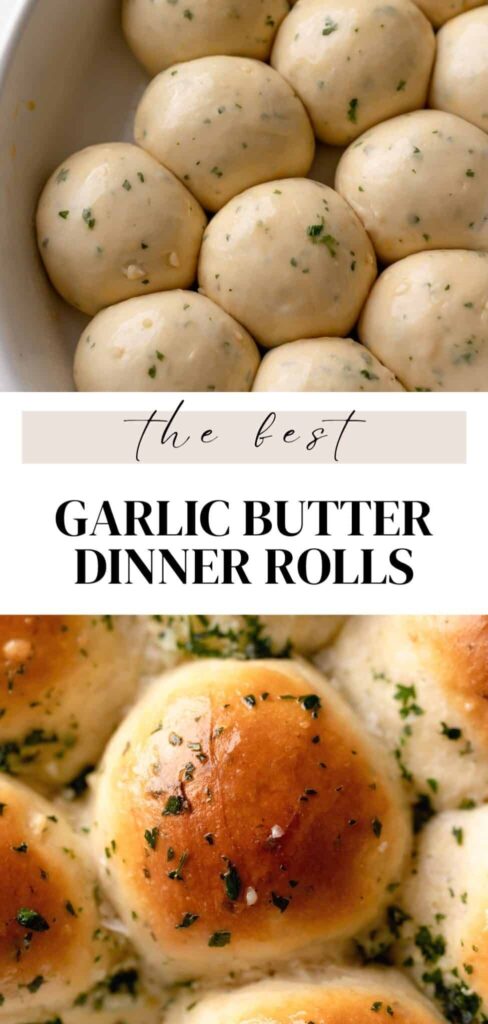
Garlic bread rolls are soft, fluffy dinner rolls brushed with delicious garlic herb butter. This recipe yields 6 large rolls at roughly 285 calories each, with 12 grams of protein per roll from the milk, egg, and butter in the dough.
Advertisements1
The method is straightforward: a 10-minute enriched dough, a 10-minute knead, a 60-minute rise, then 22 minutes in a 375F (190C) oven. The garlic butter goes on twice, once before baking and once after, which is the difference between good rolls and memorable ones.
Most failures with this recipe trace back to three things: dead yeast, over-floured dough, and skipping the second butter brush. I address all three in the steps and tips below so you get a repeatable result every time.
Why You'll Love This Recipe
About the Ingredients
3 1/2 cups (440g) bread flour
Bread flour has 12-13% protein, which builds the gluten structure these rolls need. All-purpose flour works but produces a slightly flatter roll, so add 2 extra tablespoons if you substitute.
1 packet (2 1/4 tsp, 7g) active dry yeast
Check the expiration date before you start; expired yeast is the number one cause of dense rolls. If you only have instant yeast, use the same amount and skip the proofing step.
1 cup (240ml) whole milk, warmed to 110F (43C)
Whole milk adds fat and browning; 2% works fine, but skim milk gives a drier crumb. Warm it to 110F (43C) exactly, since anything above 120F (49C) kills the yeast.
1/4 cup (50g) granulated sugar
Sugar feeds the yeast and speeds browning. Honey substitutes at 3 tablespoons, but reduce the milk by 1 tablespoon to keep the dough consistent.
1 large egg (50g), room temperature
The egg adds structure and richness. A flax egg (1 tbsp ground flax plus 3 tbsp water) works for an egg-free version but yields a denser texture.
1/4 cup (57g) unsalted butter, softened
Softened butter must be 65-70F (18-21C); cold butter tears the dough and slows gluten development. Salted butter works if you drop the added salt to 1/4 teaspoon.
1 1/2 tsp fine sea salt
Salt controls yeast activity and firms the crumb. Kosher salt is coarser, so use 2 teaspoons if that is what you have on hand.
6 cloves garlic, finely minced (about 2 tbsp)
Fresh garlic delivers a sharper bite than jarred; jarred garlic is packed in acid and tastes flatter. A garlic press releases more allicin and intensifies the flavor.
6 tbsp (85g) unsalted butter, melted, for brushing
Melted butter gives the glossy, golden crust. Olive oil brushes on fine but will not brown the same way at 375F (190C).
2 tbsp fresh parsley, chopped
Flat-leaf parsley has more flavor than curly. Dried parsley substitutes at 2 teaspoons, but add it to the melted butter 5 minutes before brushing so it rehydrates.
Tips & Tricks
Do not over-flour the dough
Add flour one tablespoon at a time past the 3-cup mark. The dough should be tacky but pull cleanly off the bowl, and over-flouring is the top cause of dry, crumbly rolls.
Proof the yeast first
If the yeast and warm milk do not foam within 10 minutes, the yeast is dead or the milk was too hot. Start over rather than baking a brick.
Measure the internal temperature
Pull the rolls at 190F (88C) internal. Below 185F (85C) the center is gummy; above 200F (93C) the crumb dries out.
Brush butter twice
The first brush before baking sets the garlic onto the crust; the second brush within 2 minutes of leaving the oven soaks in and keeps the top soft.
Pro Tips
Step-by-Step Instructions
1. Proof the yeast
Whisk the warm milk (110F/43C), 1 tablespoon of the sugar, and the yeast in a bowl. Wait 10 minutes; a foamy 1-inch cap means the yeast is alive and active. No foam means start over with fresh yeast.
2. Mix the dough
Add the remaining sugar, egg, softened butter, salt, and 3 cups of flour to the yeast mixture. Stir with a wooden spoon until a shaggy mass forms, about 1 minute, then add the last 1/2 cup of flour gradually until the dough pulls away from the bowl.
3. Knead until smooth
Knead on a lightly floured counter for 8-10 minutes by hand, or 6 minutes in a stand mixer with the dough hook on medium. The dough is ready when it is smooth, elastic, and springs back when poked; it should feel like a soft earlobe.
4. Let it rise
Place the dough in a greased bowl, cover, and rise in a warm spot at 75-80F (24-27C) for 60 minutes. It is done when it has doubled in volume and a finger pressed into the top leaves an indentation that stays.
5. Shape the rolls
Punch down the dough, divide into 6 equal pieces (about 145g each), and roll each into a tight ball. Pinch the seams closed and place them 2 inches apart in a greased 9×13-inch pan.
6. Second rise
Cover the pan and rise another 30 minutes at room temperature. The rolls should look puffed and nearly touch each other; if they still look tight, give them 10 more minutes.
7. Brush and bake
Mix the minced garlic into the 6 tablespoons of melted butter and brush half over the rolls. Bake at 375F (190C) for 20-22 minutes, rotating at 12 minutes, until the tops are golden brown and the internal temperature reads 190F (88C).
8. Finish with garlic butter
Stir the parsley into the remaining garlic butter and brush it over the hot rolls within 2 minutes of removing them from the oven. Let them cool in the pan for 5 minutes, then serve warm.
Delicious Variations
Cheesy Garlic Rolls
Fold 1 cup (100g) shredded mozzarella into the dough after kneading and top with 1/4 cup grated Parmesan before baking.
Herb and Rosemary Rolls
Swap the parsley for 1 tablespoon chopped fresh rosemary and add 1 teaspoon dried oregano to the garlic butter for a Mediterranean profile.
Spicy Garlic Rolls
Add 1/2 teaspoon red pepper flakes and 1/4 teaspoon smoked paprika to the melted garlic butter for a warm, smoky finish.
How to Store Garlic Bread Rolls
Refrigerator
Store cooled rolls in an airtight container at room temperature for 2 days, or refrigerate for up to 5 days. Refrigeration firms the crumb, so bring them to room temperature before serving.
Freezer
Wrap baked rolls individually in plastic, then freeze in a zip-top bag for up to 3 months. Baked rolls reheat better than frozen dough, which loses rise after 2 weeks.
Reheating
Reheat at 325F (163C) for 8-10 minutes wrapped in foil, or microwave single rolls for 20-25 seconds. Add a fresh brush of garlic butter after reheating to restore the gloss.
Frequently Asked Questions
Q: Why are my garlic bread rolls dense and heavy?
Dense rolls almost always mean dead yeast or too much flour. Proof the yeast in warm milk first and weigh your flour at 125g per cup instead of scooping, which can add 20% extra flour and stall the rise.
Q: Can I make garlic bread rolls ahead of time?
Yes, you can shape the rolls, cover the pan, and refrigerate overnight for a cold rise of 8-12 hours. Pull the pan from the fridge 45 minutes before baking so the dough reaches room temperature and rises fully.
Q: What temperature should the milk be for yeast dough?
The milk should be 110F (43C), which is warm to the touch but not hot. Anything above 120F (49C) kills the yeast, and anything below 95F (35C) slows the rise to a crawl.
Q: Can I use instant yeast instead of active dry yeast?
Yes, use the same 2 1/4 teaspoons and add it directly to the dry ingredients, skipping the proofing step. Instant yeast rises about 10 minutes faster, so check the dough at the 50-minute mark.
Q: How do I know when the rolls are fully baked?
The rolls are done when the tops are golden brown and the internal temperature reads 190F (88C). If you do not have a thermometer, tap the top; a hollow sound means the crumb is set.
Mix the dough tonight, and you will have warm garlic bread rolls on the table in under an hour tomorrow. Weigh your flour, proof your yeast, and brush the butter twice. Keep it simple, keep it growing.
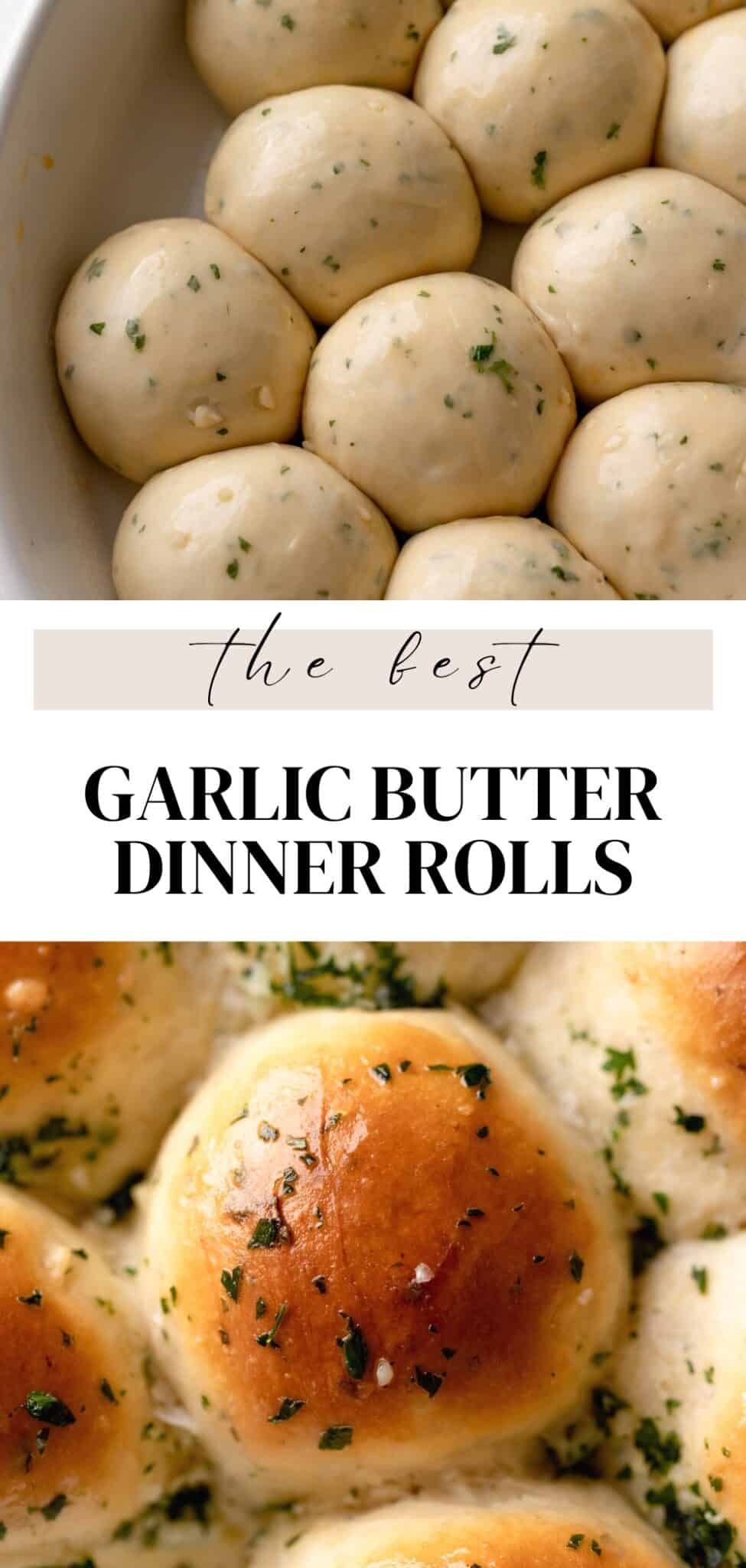
Garlic Bread Rolls
Garlic bread rolls are soft, fluffy dinner rolls brushed with delicious garlic herb butter, ready in 50 minutes and perfect for any family dinner.
🧂 Ingredients
- 3 1/2 cups (440g) bread flour
- 1 packet (2 1/4 tsp, 7g) active dry yeast
- 1 cup (240ml) whole milk, warmed to 110F (43C)
- 1/4 cup (50g) granulated sugar
- 1 large egg (50g), room temperature
- 1/4 cup (57g) unsalted butter, softened
- 1 1/2 tsp fine sea salt
- 6 cloves garlic, finely minced (about 2 tbsp)
- 6 tbsp (85g) unsalted butter, melted, for brushing
- 2 tbsp fresh parsley, chopped
📋 Instructions
- 1Proof the yeast — Whisk the warm milk (110F/43C), 1 tablespoon of the sugar, and the yeast in a bowl. Wait 10 minutes; a foamy 1-inch cap means the yeast is alive and active. No foam means start over with fresh yeast.
- 2Mix the dough — Add the remaining sugar, egg, softened butter, salt, and 3 cups of flour to the yeast mixture. Stir with a wooden spoon until a shaggy mass forms, about 1 minute, then add the last 1/2 cup of flour gradually until the dough pulls away from the bowl.
- 3Knead until smooth — Knead on a lightly floured counter for 8-10 minutes by hand, or 6 minutes in a stand mixer with the dough hook on medium. The dough is ready when it is smooth, elastic, and springs back when poked; it should feel like a soft earlobe.
- 4Let it rise — Place the dough in a greased bowl, cover, and rise in a warm spot at 75-80F (24-27C) for 60 minutes. It is done when it has doubled in volume and a finger pressed into the top leaves an indentation that stays.
- 5Shape the rolls — Punch down the dough, divide into 6 equal pieces (about 145g each), and roll each into a tight ball. Pinch the seams closed and place them 2 inches apart in a greased 9×13-inch pan.
- 6Second rise — Cover the pan and rise another 30 minutes at room temperature. The rolls should look puffed and nearly touch each other; if they still look tight, give them 10 more minutes.
- 7Brush and bake — Mix the minced garlic into the 6 tablespoons of melted butter and brush half over the rolls. Bake at 375F (190C) for 20-22 minutes, rotating at 12 minutes, until the tops are golden brown and the internal temperature reads 190F (88C).
- 8Finish with garlic butter — Stir the parsley into the remaining garlic butter and brush it over the hot rolls within 2 minutes of removing them from the oven. Let them cool in the pan for 5 minutes, then serve warm.

Liam covers personal finance and investing for beginners, demystifying money management with clear, no-nonsense advice. He focuses on budgeting, saving, and long-term wealth building, often using real-life scenarios to illustrate concepts.