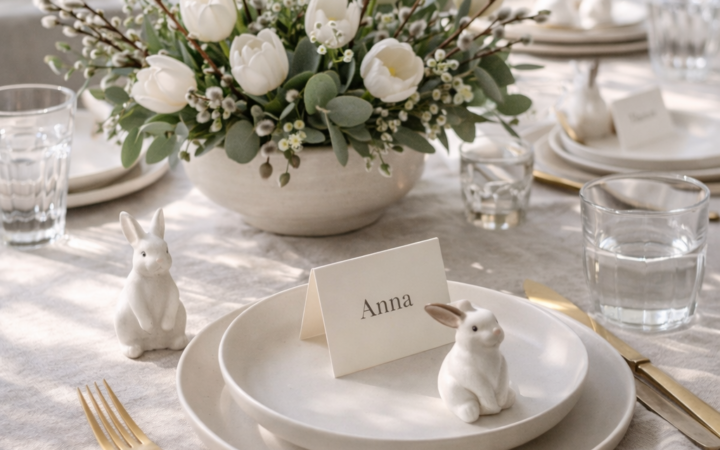

Every spring, my grandmother would set the table with the good linen, the one with tiny embroidered daffodils, and we knew Easter had truly arrived. I have carried that ritual across three continents, cooking Easter dinners in a Lagos courtyard, a London flat, and a Vermont farmhouse kitchen. The dishes change with the place, but the feeling never does: a table crowded with color, warmth, and people leaning in for seconds.
Advertisements1
So I gathered 52 of my favorite Easter dinner ideas into one menu-planning guide, organized so you can mix and match without panic. You will find a centerpiece roasted lamb, a honey-mustard glazed ham, a creamy potato gratin, a bright spring pea salad, and a lemon-herb roasted chicken for smaller gatherings. Each idea comes with real temperatures, real times, and the sensory cues I use in my own kitchen.
Think of this as a choose-your-own-feast blueprint. Pick one showstopper, two or three sides, and a dessert, and you have a holiday table that tastes like spring and feels like home. I have cooked these across many Easters, and they have never once let me down.
Why You'll Love This Recipe
About the Ingredients
1 bone-in leg of lamb, 5 to 6 lb (2.3 to 2.7 kg)
Ask your butcher to trim the fat cap to about 1/4 inch so the herb rub sticks. If lamb is not your tradition, a bone-in pork loin roast works beautifully at the same weight.
1 fully cooked bone-in ham, 8 to 10 lb (3.6 to 4.5 kg)
Look for a ham labeled 'no added water' for the best texture and glaze adhesion. A spiral-cut ham saves carving time but dries faster, so glaze it late.
1 whole roasting chicken, 4 to 5 lb (1.8 to 2.3 kg)
A smaller bird roasts faster and stays juicier for intimate Easter tables. Substitute two 2 lb (900 g) whole chickens if you want extra crispy skin.
3 lb (1.4 kg) Yukon Gold potatoes, sliced 1/8 inch thick
Yukon Golds melt into a creamy gratin without turning gluey. Russets work too, but soak the slices in cold water for 10 minutes first.
2 cups (480 ml) heavy cream
Heavy cream gives the richest gratin; whole milk plus 2 tablespoons of butter is a lighter swap that still sets well.
12 oz (340 g) fresh English peas, shelled
Frozen peas are a perfectly good substitute and need only 2 minutes in boiling water. Fresh peas should feel firm and snap when you press them.
4 tbsp (56 g) unsalted butter, divided
European-style butter has more fat and browns more predictably. Salted butter works if you reduce the added salt by half.
3 tbsp (45 ml) honey
Wildflower honey adds a floral note that suits spring; maple syrup is a good vegan-friendly substitute.
2 tbsp (30 g) Dijon mustard
Dijon brings tang and helps the glaze cling. Whole-grain mustard gives a rustic look and a milder bite.
1 bunch fresh mint, leaves picked
Mint is the backbone of spring cooking; basil or dill can stand in if mint feels too strong for your crowd.
3 lemons, zested and juiced
Roll lemons on the counter before juicing to release more liquid. Meyer lemons are sweeter and lovely here if you can find them.
2 tbsp (30 ml) olive oil
Use a good finishing oil for the salad and a neutral oil for high-heat roasting. Avocado oil is an excellent high-heat substitute.
Tips & Tricks
Do not crowd the oven
Roast the lamb or ham on the center rack and give the gratin its own shelf below, rotating once halfway. A packed oven steams instead of roasts, and you lose the golden crust you worked for.
Rest every roast
Lamb and ham both need 15 to 20 minutes of resting under foil before carving. This lets the juices redistribute, so the slices stay moist instead of running dry on the board.
Season the day before
Salt your lamb, chicken, or ham the night before and refrigerate uncovered. The salt penetrates the meat and the dry surface browns faster and deeper in the oven.
Taste the glaze warm
Honey and mustard shift flavor as they heat, so taste your glaze after simmering, not before. Adjust with a squeeze of lemon or a pinch of salt right at the end.
Pro Tips
Step-by-Step Instructions
1. Season the centerpiece
Pat your lamb, ham, or chicken completely dry with paper towels, then rub generously with salt, pepper, lemon zest, and olive oil. Let it sit at room temperature for 30 minutes so it roasts evenly rather than steaming cold in the center.
2. Heat the oven
Preheat the oven to 425 F (220 C) with a rack in the middle. A fully heated oven is what gives you that first blast of browning before you drop the temperature for gentle cooking.
3. Roast at high heat
Roast the lamb or chicken uncovered for 20 minutes at 425 F (220 C) until the surface turns deeply golden and you hear it sizzling in the pan. This initial sear locks in color and flavor.
4. Lower and continue
Reduce the oven to 350 F (175 C) and continue roasting 15 to 20 minutes per pound for lamb, or until a thermometer reads 130 F (54 C) for medium-rare. The juices should run slightly pink when you pierce the thickest part.
5. Glaze the ham
Score the ham in a diamond pattern, stud with cloves if you like, and brush with the honey-mustard glaze during the last 30 minutes at 350 F (175 C). Glaze only at the end so the sugars caramelize instead of burning.
6. Build the gratin
Layer potato slices in a buttered dish, seasoning each layer, then pour over the cream and bake at 375 F (190 C) for 50 to 60 minutes. It is done when the top is bubbling at the edges and a knife slides in with no resistance.
7. Blanch the peas
Boil the peas in salted water for 2 to 3 minutes until bright green and tender, then drain and toss with butter, mint, and lemon juice. They should pop slightly when you bite one.
8. Rest and carve
Move the roast to a board, tent loosely with foil, and rest 15 to 20 minutes before carving against the grain. The internal temperature will rise another 5 to 10 degrees as it rests.
9. Assemble the table
Arrange the carved meat, warm gratin, and pea salad together, then finish with lemon wedges and extra mint. Serve family-style so everyone can build their own perfect plate.
Delicious Variations
Mediterranean Easter
Swap the honey glaze for a harissa and orange rub, and serve the lamb with warm flatbread and a yogurt-mint sauce.
Southern Spring Table
Pair a maple-glazed ham with corn pudding, deviled eggs, and buttermilk biscuits for a classic American spread.
Vegetarian Easter Feast
Replace the centerpiece with a whole roasted cauliflower rubbed in lemon-herb butter, plus the gratin and peas for a meatless menu.
How to Store 52 Best Easter Dinner Ideas
Refrigerator
Store leftovers in shallow airtight containers for up to 4 days; keep the gratin and peas in separate containers so the potatoes do not absorb the pea liquid.
Freezer
Freeze carved lamb or ham in portions with a little pan juice for up to 3 months; the gratin freezes well, but the peas are best fresh and turn mushy after thawing.
Reheating
Reheat meat covered at 300 F (150 C) for 15 to 20 minutes until it reaches 140 F (60 C); warm the gratin at 350 F (175 C) for 20 minutes, and refresh peas in a hot skillet with butter for 3 minutes.
Frequently Asked Questions
Q: What is a traditional Easter dinner main course?
Roast lamb and glazed ham are the two most traditional Easter centerpieces in Western cooking. Lamb symbolizes spring and renewal, while ham reflects the old tradition of curing a winter hog for the holiday. Either one anchors a beautiful Easter table.
Q: How many side dishes should I serve for Easter dinner?
Plan on three to four sides for a table of six to eight people, plus bread and one dessert. One starch, one green vegetable, and one bright salad give you a balanced plate without overwhelming the kitchen.
Q: Can I make Easter dinner ahead of time?
Yes, most of this menu can be prepped a day ahead, and the gratin can be fully baked and reheated. Hold off on glazing the ham and dressing the pea salad until the day of so textures stay fresh.
Q: What temperature should lamb be cooked to for Easter?
Pull lamb from the oven at 130 F (54 C) for medium-rare or 140 F (60 C) for medium, then rest it 15 to 20 minutes. The temperature will rise about 5 to 10 degrees while resting, landing exactly where you want it.
Q: What dessert goes with an Easter dinner?
A lemon tart, carrot cake, or a simple berry pavlova all pair beautifully with the spring flavors of this menu. Choose something light and citrusy to balance the rich roast and creamy gratin.
Pick your centerpiece, choose three sides, and let the spring produce do the talking this Easter. If you cook from this list, I would love to hear which dish stole the show at your table. Go, see, and connect.

52 Best Easter Dinner Ideas
52 Best Easter Dinner Ideas gives you a complete spring feast menu, from glazed ham to lamb, with easy recipes for a stress-free holiday table.
🧂 Ingredients
- 1 bone-in leg of lamb, 5 to 6 lb (2.3 to 2.7 kg)
- 1 fully cooked bone-in ham, 8 to 10 lb (3.6 to 4.5 kg)
- 1 whole roasting chicken, 4 to 5 lb (1.8 to 2.3 kg)
- 3 lb (1.4 kg) Yukon Gold potatoes, sliced 1/8 inch thick
- 2 cups (480 ml) heavy cream
- 12 oz (340 g) fresh English peas, shelled
- 4 tbsp (56 g) unsalted butter, divided
- 3 tbsp (45 ml) honey
- 2 tbsp (30 g) Dijon mustard
- 1 bunch fresh mint, leaves picked
- 3 lemons, zested and juiced
- 2 tbsp (30 ml) olive oil
📋 Instructions
- 1Season the centerpiece — Pat your lamb, ham, or chicken completely dry with paper towels, then rub generously with salt, pepper, lemon zest, and olive oil. Let it sit at room temperature for 30 minutes so it roasts evenly rather than steaming cold in the center.
- 2Heat the oven — Preheat the oven to 425 F (220 C) with a rack in the middle. A fully heated oven is what gives you that first blast of browning before you drop the temperature for gentle cooking.
- 3Roast at high heat — Roast the lamb or chicken uncovered for 20 minutes at 425 F (220 C) until the surface turns deeply golden and you hear it sizzling in the pan. This initial sear locks in color and flavor.
- 4Lower and continue — Reduce the oven to 350 F (175 C) and continue roasting 15 to 20 minutes per pound for lamb, or until a thermometer reads 130 F (54 C) for medium-rare. The juices should run slightly pink when you pierce the thickest part.
- 5Glaze the ham — Score the ham in a diamond pattern, stud with cloves if you like, and brush with the honey-mustard glaze during the last 30 minutes at 350 F (175 C). Glaze only at the end so the sugars caramelize instead of burning.
- 6Build the gratin — Layer potato slices in a buttered dish, seasoning each layer, then pour over the cream and bake at 375 F (190 C) for 50 to 60 minutes. It is done when the top is bubbling at the edges and a knife slides in with no resistance.
- 7Blanch the peas — Boil the peas in salted water for 2 to 3 minutes until bright green and tender, then drain and toss with butter, mint, and lemon juice. They should pop slightly when you bite one.
- 8Rest and carve — Move the roast to a board, tent loosely with foil, and rest 15 to 20 minutes before carving against the grain. The internal temperature will rise another 5 to 10 degrees as it rests.
- 9Assemble the table — Arrange the carved meat, warm gratin, and pea salad together, then finish with lemon wedges and extra mint. Serve family-style so everyone can build their own perfect plate.

Aisha writes about travel and cultural immersion, sharing stories and tips from her journeys to off-the-beaten-path destinations. She emphasizes respectful tourism, budget-friendly adventures, and the importance of connecting with local communities.