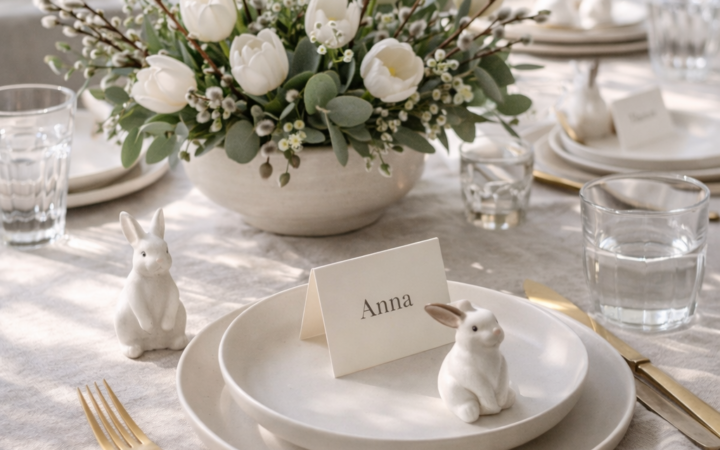
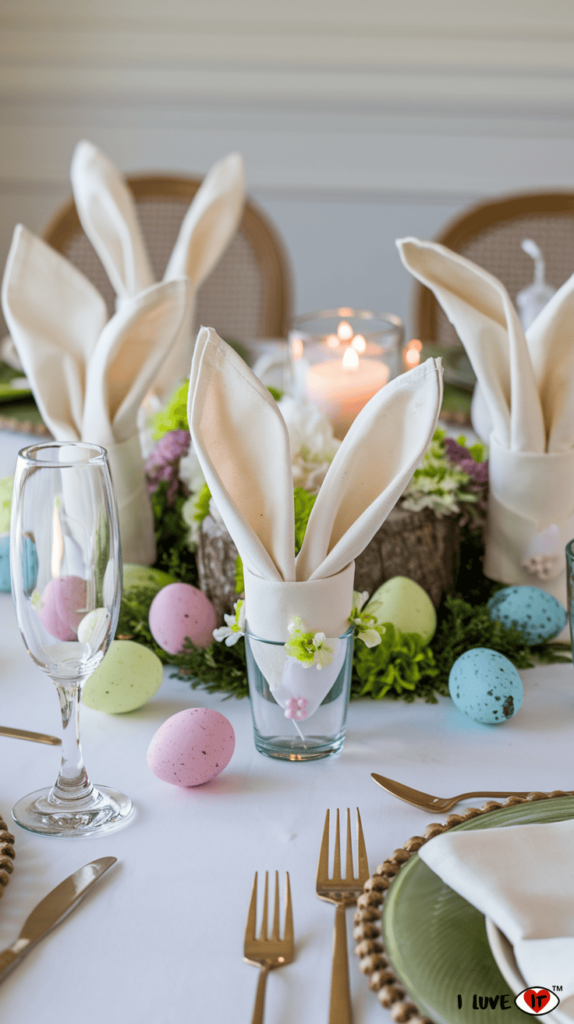
Most Easter tables get one of two things: a grocery-store bouquet that wilts by dessert, or nothing at all. This guide fixes that with 10 centerpiece builds, and one of them is fully edible. I focus on the edible one here because it is the only version that earns its counter space twice: it decorates the table for two hours, then it gets eaten.
Advertisements1
Here is the data that matters. A fresh floral centerpiece costs $25 to $60 and lasts 3 to 5 days. This edible centerpiece costs roughly $18 in ingredients, takes 15 minutes of prep and 35 minutes of oven time, serves 6, and produces zero waste. It also survives a warm dining room far better than tulips, because the structure is baked, not stemmed.
The build is a lemon-almond shortbread base, a whipped honey-mascarpone nest, and a ring of candied carrot curls and edible flowers. Everything is food-safe, everything is stable at room temperature for 4 hours, and nothing on the plate is decoration you have to throw away.
Why You'll Love This Recipe
About the Ingredients
2 1/4 cups (280g) all-purpose flour
Weigh it if you can; scooping flour straight from the bag can add up to 20% extra and make the shortbread tough. Substitute 1:1 gluten-free baking flour if needed, but add 1 tablespoon of milk to the dough.
3/4 cup (150g) granulated sugar
Superfine sugar dissolves faster into cold butter and gives a finer crumb. If you only have coarse sugar, pulse it in a food processor for 10 seconds.
1 cup (227g) unsalted butter, cold and cubed
Cold butter is non-negotiable here; it creates steam pockets that keep the shortbread tender. European-style butter with 82% fat gives a noticeably crispier edge.
1 large egg yolk
The yolk adds richness and binds the dough without adding water. Save the white for an egg wash if you want a deeper gold finish.
1 1/2 teaspoons almond extract
Almond is the backbone flavor and pairs with the carrot and honey. Use 1 teaspoon vanilla plus 1/2 teaspoon almond if you want a milder, more neutral profile.
1 tablespoon lemon zest (about 1 large lemon)
Zest only the yellow layer; the white pith turns bitter fast. A Microplane gives finer zest that distributes more evenly through the dough.
8 ounces (227g) mascarpone, cold
Cold mascarpone whips into stiffer peaks than room-temperature. If it looks soupy, it has been over-whipped; fold in 2 tablespoons of cold heavy cream to bring it back.
1/4 cup (85g) honey
A light wildflower or clover honey keeps the color pale and the flavor floral. Buckwheat honey will darken the nest to a deep amber and dominate the almond.
3 medium carrots, peeled into ribbons
Ribbons about 1/8 inch thick curl best; a Y-peeler does this in one pass. Swap in parsnip ribbons for a paler, slightly peppery version.
1/4 cup (50g) granulated sugar, for candying
This is a separate quantity from the dough sugar; do not combine them. Add 1/4 teaspoon ground cinnamon for a warmer, spiced curl.
Edible flowers (pansies, violas, or nasturtiums), 12 to 15 blooms
Buy from the produce section or a grower who labels them food-safe; florist flowers are often sprayed with preservatives. Wash and pat dry 30 minutes before assembly.
Tips & Tricks
Do Not Overwork the Dough
Stop mixing the moment the flour disappears. Overworked shortbread develops gluten and bakes up tough instead of sandy-crisp.
Chill Before Baking
Rest the shaped dough in the freezer for 15 minutes. Cold dough spreads 30% less, so your centerpiece ring keeps clean edges.
Candy the Carrots in Small Batches
Crowding the pan drops the sugar syrup temperature and produces sticky, limp ribbons. Work in 3 batches of 8 to 10 ribbons.
Assemble Within 2 Hours of Serving
Mascarpone softens above 75F (24C). Build the nest close to mealtime so it holds its swirl through the main course.
Pro Tips
Step-by-Step Instructions
1. Heat Oven and Prep Pan
Preheat the oven to 325F (163C) and line the base of a 9-inch tart pan with parchment. A lower oven temperature is what keeps shortbread pale gold instead of browned.
2. Rub Butter Into Dry Mix
Whisk the flour and 3/4 cup sugar, then rub in the cold butter with your fingertips until the mixture looks like coarse sand with a few pea-sized lumps. Stop when no dry flour remains.
3. Add Yolk and Flavorings
Stir in the egg yolk, almond extract, and lemon zest until the dough just clumps together. Squeeze a handful; if it holds, it is ready.
4. Press and Freeze
Press the dough evenly into the tart pan, prick the surface all over with a fork, and freeze for 15 minutes. The fork holes release steam and prevent the center from doming.
5. Bake Until Set
Bake 30 to 35 minutes at 325F (163C) until the edges are light golden brown and the center feels firm with no give when pressed. The internal temperature should read 195F to 200F (91C to 93C) on an instant-read thermometer.
6. Candy the Carrot Ribbons
Simmer the carrot ribbons in 1 cup water with the 1/4 cup sugar for 6 to 8 minutes until translucent and glossy, then drain on a rack for 10 minutes. They should bend without snapping.
7. Whip the Mascarpone Nest
Whip the cold mascarpone and honey on medium for 60 seconds until it holds soft peaks and looks like thick frosting. Do not walk away; over-whipping turns it grainy.
8. Assemble the Centerpiece
Cool the shortbread completely, about 25 minutes, then pipe or spoon the mascarpone in a ring, coil the carrot ribbons into a nest, and tuck in the edible flowers. Serve within 2 hours.
Delicious Variations
Berry Garden Version
Replace the carrot ribbons with candied lemon peel and top with fresh raspberries and mint sprigs for a pink-and-green palette.
Chocolate Nest Version
Add 3 tablespoons cocoa powder to the dough and swap the honey for maple syrup; the darker base reads as a twig nest.
Savory Board Version
Skip the honey in the mascarpone, add 1/4 teaspoon black pepper, and surround the shortbread with radishes, herbs, and whipped goat cheese.
How to Store 10 Gorgeous Easter Centerpieces for Your Table to Celebrate Spring in Style
Refrigerator
Store the baked shortbread ring in an airtight container at room temperature for up to 5 days; refrigerate only the mascarpone in a sealed container for up to 3 days.
Freezer
Wrap the unbaked pressed dough tightly and freeze for up to 2 months; bake from frozen, adding 5 minutes to the bake time. Baked shortbread freezes well for 1 month.
Reheating
Refresh baked shortbread in a 300F (149C) oven for 6 to 8 minutes to restore crispness. Never reheat the mascarpone; re-whip it cold instead.
Frequently Asked Questions
Q: How far in advance can I make an edible Easter centerpiece?
Bake the shortbread up to 5 days ahead and candy the carrots up to 2 days ahead, but assemble the mascarpone nest no more than 2 hours before serving. Mascarpone softens above 75F (24C) and the nest will slump.
Q: Are the flowers on this centerpiece actually safe to eat?
Only if they are labeled food-safe, which means grown for consumption and free of pesticides. Supermarket produce-section flowers and specialty growers meet this standard; florist bouquets usually do not. Rinse and dry them before pressing into the mascarpone.
Q: Why did my shortbread spread and lose its shape?
The dough was too warm when it hit the oven. Chilling the pressed dough for 15 minutes in the freezer firms the butter so it melts in the oven rather than before it. Also check that your butter was cold and cubed, not softened.
Q: Can I make this centerpiece gluten-free or dairy-free?
Yes, both work with one adjustment each. Use a 1:1 gluten-free baking blend plus 1 tablespoon milk for the dough, and swap the butter for a plant-based stick butter and the mascarpone for whipped coconut cream.
Q: How many people does one edible centerpiece serve?
One 9-inch ring serves 6 as a dessert portion of roughly a 3-inch piece per person. If it is the only dessert on the table, plan two rings for 10 to 12 guests.
Pick one of the 10 builds, start with the edible version, and bake the shortbread tonight so assembly takes 20 minutes on Easter morning. Measure your flour by weight, chill the dough, and stop whipping the mascarpone at 60 seconds. Keep it simple, keep it growing.
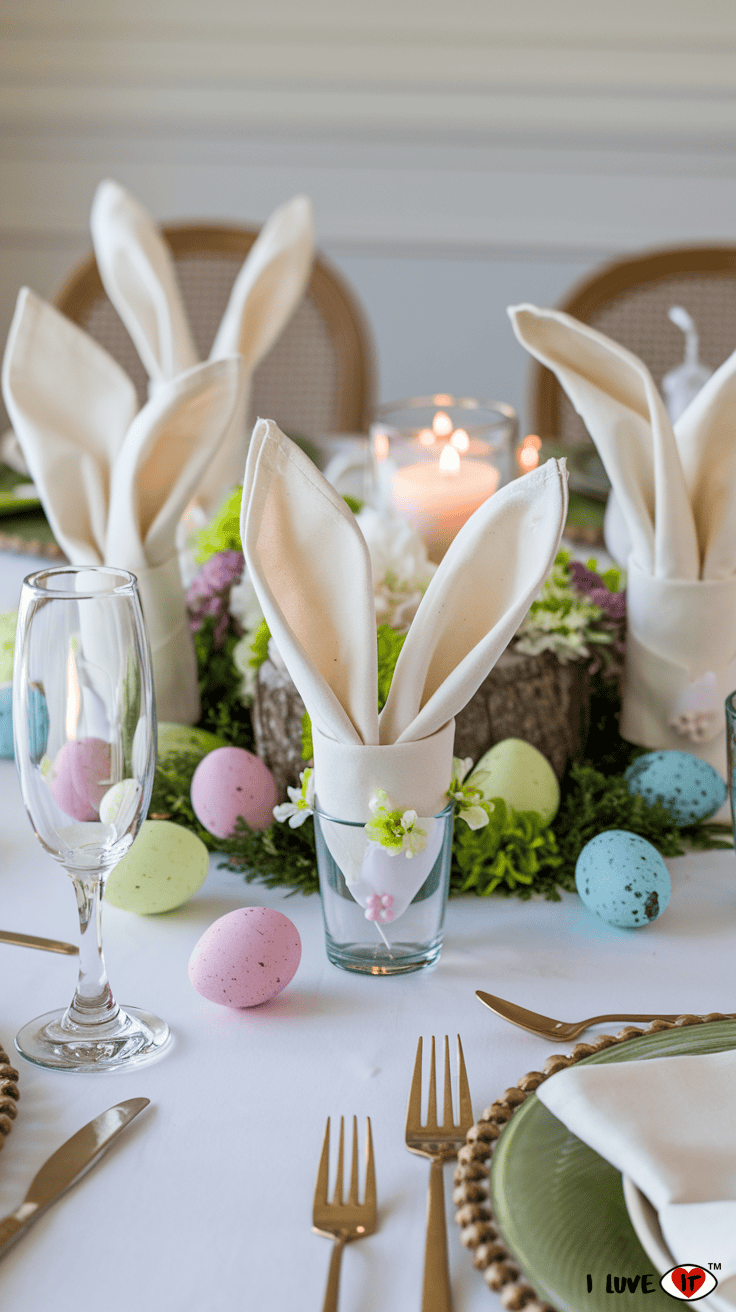
10 Gorgeous Easter Centerpieces for Your Table to Celebrate Spring in Style
10 Gorgeous Easter Centerpieces for Your Table to Celebrate Spring in Style: build one edible floral centerpiece in 50 minutes that doubles as dessert.
🧂 Ingredients
- 2 1/4 cups (280g) all-purpose flour
- 3/4 cup (150g) granulated sugar
- 1 cup (227g) unsalted butter, cold and cubed
- 1 large egg yolk
- 1 1/2 teaspoons almond extract
- 1 tablespoon lemon zest (about 1 large lemon)
- 8 ounces (227g) mascarpone, cold
- 1/4 cup (85g) honey
- 3 medium carrots, peeled into ribbons
- 1/4 cup (50g) granulated sugar, for candying
- Edible flowers (pansies, violas, or nasturtiums), 12 to 15 blooms
📋 Instructions
- 1Heat Oven and Prep Pan — Preheat the oven to 325F (163C) and line the base of a 9-inch tart pan with parchment. A lower oven temperature is what keeps shortbread pale gold instead of browned.
- 2Rub Butter Into Dry Mix — Whisk the flour and 3/4 cup sugar, then rub in the cold butter with your fingertips until the mixture looks like coarse sand with a few pea-sized lumps. Stop when no dry flour remains.
- 3Add Yolk and Flavorings — Stir in the egg yolk, almond extract, and lemon zest until the dough just clumps together. Squeeze a handful; if it holds, it is ready.
- 4Press and Freeze — Press the dough evenly into the tart pan, prick the surface all over with a fork, and freeze for 15 minutes. The fork holes release steam and prevent the center from doming.
- 5Bake Until Set — Bake 30 to 35 minutes at 325F (163C) until the edges are light golden brown and the center feels firm with no give when pressed. The internal temperature should read 195F to 200F (91C to 93C) on an instant-read thermometer.
- 6Candy the Carrot Ribbons — Simmer the carrot ribbons in 1 cup water with the 1/4 cup sugar for 6 to 8 minutes until translucent and glossy, then drain on a rack for 10 minutes. They should bend without snapping.
- 7Whip the Mascarpone Nest — Whip the cold mascarpone and honey on medium for 60 seconds until it holds soft peaks and looks like thick frosting. Do not walk away; over-whipping turns it grainy.
- 8Assemble the Centerpiece — Cool the shortbread completely, about 25 minutes, then pipe or spoon the mascarpone in a ring, coil the carrot ribbons into a nest, and tuck in the edible flowers. Serve within 2 hours.

Liam covers personal finance and investing for beginners, demystifying money management with clear, no-nonsense advice. He focuses on budgeting, saving, and long-term wealth building, often using real-life scenarios to illustrate concepts.