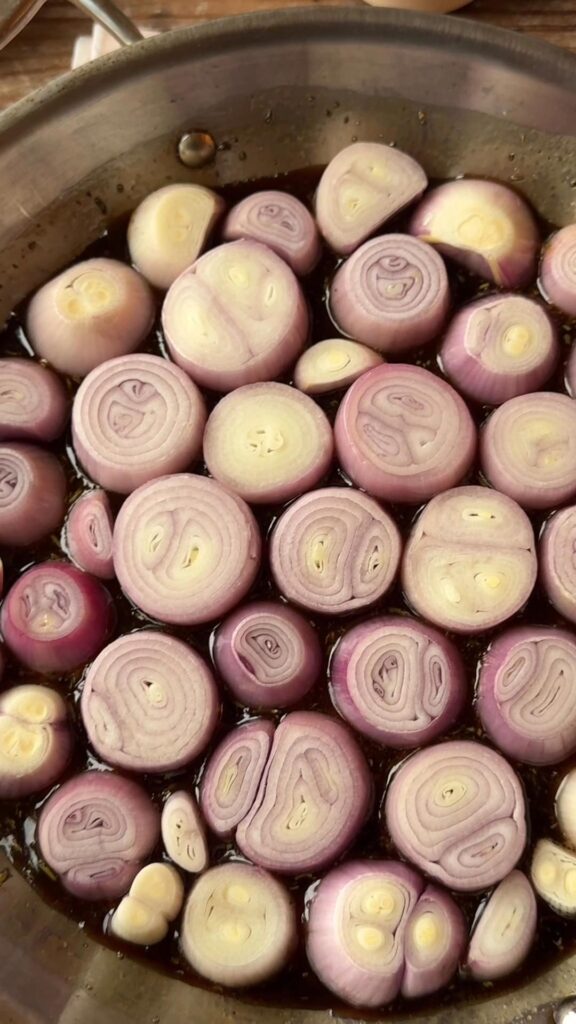
I'll admit it—I used to think shallots were just fancy, overpriced onions. But the first time I caramelized them side by side, I was hooked. Shallots bring a delicate, garlicky sweetness while onions give that deep, classic punch. Together, they're a dynamic duo that takes any dish from good to 'what did you put in this?'
Advertisements1
This recipe is my go-to when I want to elevate a weeknight dinner without fuss. It's all about low heat and patience, but the payoff is a rich, jammy condiment that works on everything from grilled cheese to roasted veggies.
So grab a couple of onions and a few shallots, and let's make something beautiful together.
Why You'll Love This Recipe
About the Ingredients
2 large yellow onions (about 1 lb / 450g), thinly sliced
Yellow onions are workhorses—they caramelize deeply. Substitute with white or sweet Vidalia if you like a milder bite.
6 medium shallots (about 6 oz / 170g), thinly sliced
Shallots are milder and slightly garlicky. If you can't find them, use 2 extra onions and a clove of minced garlic.
3 tablespoons (45ml) olive oil
Use a good extra-virgin olive oil for flavor. You can swap with butter for a richer taste.
2 tablespoons (30ml) balsamic vinegar
Adds a tangy depth. Red wine vinegar or apple cider vinegar also work—just use a bit less.
1 teaspoon (5g) kosher salt
Flaky sea salt is great too. Start with less and adjust at the end.
1/2 teaspoon (2g) freshly ground black pepper
Freshly ground gives the best aroma. Pre-ground is fine in a pinch.
1 tablespoon (15g) unsalted butter (optional)
Stir in at the end for extra gloss and richness. Omit for a vegan version.
Tips & Tricks
- Slice onions and shallots thinly and uniformly—this ensures even cooking.
- Use a wide, heavy-bottomed pan so they don't steam; you want browning.
- Don't rush the heat—low and slow prevents burning and brings out sweetness.
- Deglaze with a splash of water or broth if they stick to the pan.
Pro Tips
Step-by-Step Instructions
1. Prep the alliums
Thinly slice the onions and shallots into half-moons. Keep them separate or mix—your choice. A mandoline makes this quick, but a sharp knife works great.
2. Heat the oil
In a large skillet (12-inch/30cm), heat the olive oil over medium heat (350°F / 175°C) until shimmering but not smoking.
3. Add the onions
Add the sliced onions and shallots. Toss to coat in the oil. Spread them out evenly. The pan should be sizzling gently—if it's too hot, lower the heat.
4. Season and start cooking
Sprinkle with salt and pepper. Stir to combine. Reduce heat to medium-low (about 300°F / 150°C). Cook for 15 minutes, stirring every 5 minutes, until they start to soften and turn translucent.
5. Continue caramelizing
Increase heat slightly to medium (325°F / 163°C). Cook for another 10-15 minutes, stirring more frequently (every 2-3 minutes) to prevent burning. You're looking for deep golden brown color and a jammy texture.
6. Add balsamic
Once the onions are deeply caramelized (a rich brown, not black), pour in the balsamic vinegar. Stir and scrape up any browned bits from the bottom of the pan. Cook for 1-2 minutes until the vinegar is absorbed.
7. Finish with butter
Turn off the heat and stir in the butter (if using) until melted and glossy. Taste and adjust seasoning with extra salt or pepper if needed.
8. Serve and enjoy
Serve warm or at room temperature. They're perfect on burgers, steaks, sandwiches, or as a side to roasted meats.
Delicious Variations
- Add 2 minced garlic cloves in the last 5 minutes for a garlicky kick.
- Stir in 1 teaspoon fresh thyme leaves with the balsamic for an herby note.
- For a spicy twist, add a pinch of red pepper flakes along with the salt.
How to Store Onions Vs Shallots
Refrigerator
Store in an airtight container in the fridge for up to 5 days.
Freezer
Freeze in a zip-top bag or container for up to 3 months. Thaw in the fridge overnight.
Reheating
Reheat in a skillet over medium heat (350°F / 175°C) for 3-5 minutes, or in the microwave in 30-second bursts, stirring in between.
Frequently Asked Questions
Q: What is the difference between onions and shallots?
Shallots are milder and sweeter with a hint of garlic, while onions are more pungent and sharp. They can often be used interchangeably, but shallots are better for raw applications and delicate sauces.
Q: Can I use only onions or only shallots?
Yes, absolutely. If using only onions, use 3 large ones. If only shallots, use 10-12 medium. The flavor will be slightly different but still delicious.
Q: How do I prevent caramelized onions from burning?
Keep the heat low and stir frequently. If they start to stick, add a splash of water or broth to deglaze. Patience is key—don't rush with high heat.
Q: Can I make this ahead of time?
Yes, they actually taste better the next day. Store in the fridge and reheat gently on the stovetop or microwave.
Q: What dishes can I serve this with?
They're incredibly versatile: use as a topping for burgers, steaks, grilled chicken, or pizza. Mix into pasta, mashed potatoes, or spread on crostini with goat cheese.
Have you tried this duo? Tell me your favorite way to use caramelized onions and shallots in the comments below!
Onions Vs Shallots
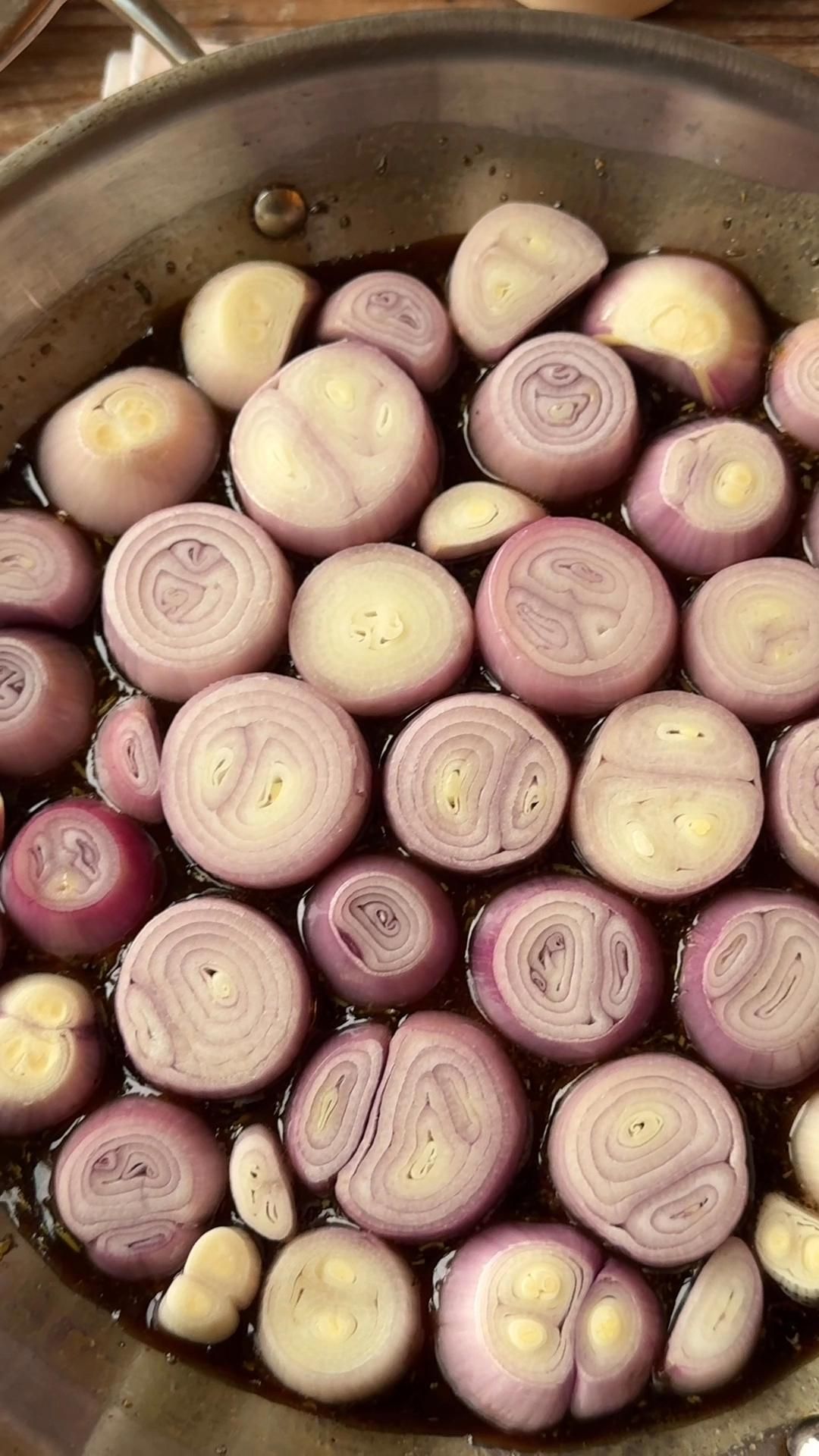
Onions Vs Shallots is a simple, savory side that caramelizes both to golden sweetness—perfect for burgers, steaks, or sandwiches.
🧂 Ingredients
- 2 large yellow onions (about 1 lb / 450g), thinly sliced
- 6 medium shallots (about 6 oz / 170g), thinly sliced
- 3 tablespoons (45ml) olive oil
- 2 tablespoons (30ml) balsamic vinegar
- 1 teaspoon (5g) kosher salt
- 1/2 teaspoon (2g) freshly ground black pepper
- 1 tablespoon (15g) unsalted butter (optional)
📋 Instructions
- 1Prep the alliums — Thinly slice the onions and shallots into half-moons. Keep them separate or mix—your choice. A mandoline makes this quick, but a sharp knife works great.
- 2Heat the oil — In a large skillet (12-inch/30cm), heat the olive oil over medium heat (350°F / 175°C) until shimmering but not smoking.
- 3Add the onions — Add the sliced onions and shallots. Toss to coat in the oil. Spread them out evenly. The pan should be sizzling gently—if it's too hot, lower the heat.
- 4Season and start cooking — Sprinkle with salt and pepper. Stir to combine. Reduce heat to medium-low (about 300°F / 150°C). Cook for 15 minutes, stirring every 5 minutes, until they start to soften and turn translucent.
- 5Continue caramelizing — Increase heat slightly to medium (325°F / 163°C). Cook for another 10-15 minutes, stirring more frequently (every 2-3 minutes) to prevent burning. You're looking for deep golden brown color and a jammy texture.
- 6Add balsamic — Once the onions are deeply caramelized (a rich brown, not black), pour in the balsamic vinegar. Stir and scrape up any browned bits from the bottom of the pan. Cook for 1-2 minutes until the vinegar is absorbed.
- 7Finish with butter — Turn off the heat and stir in the butter (if using) until melted and glossy. Taste and adjust seasoning with extra salt or pepper if needed.
- 8Serve and enjoy — Serve warm or at room temperature. They're perfect on burgers, steaks, sandwiches, or as a side to roasted meats.

Maya writes about sustainable living and zero-waste practices, focusing on small, actionable changes for everyday life. She shares practical tips on reducing plastic, composting, and mindful consumption, drawn from her own experiments at home.