
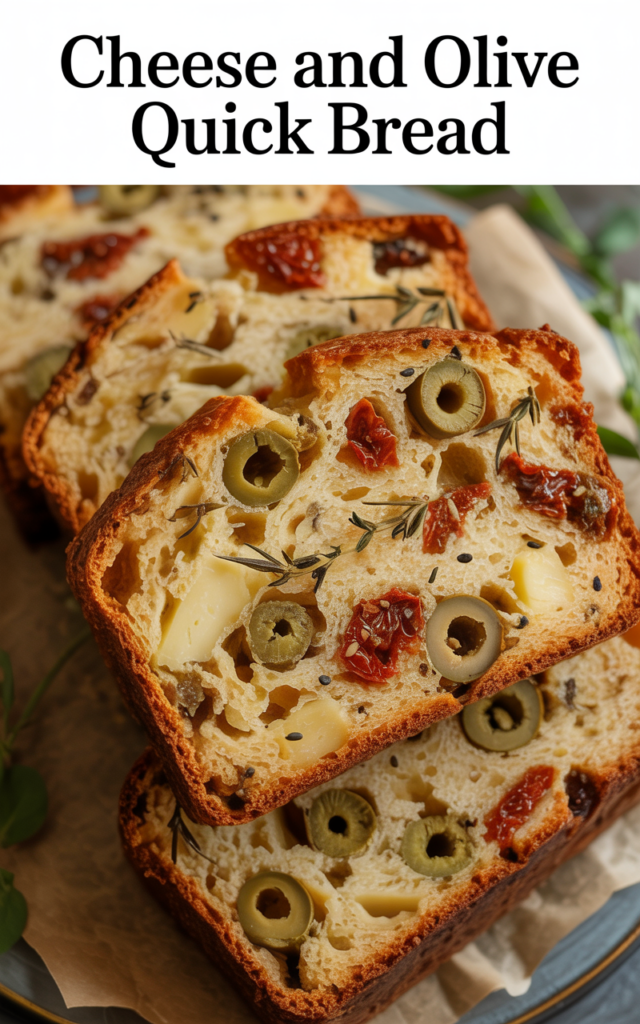
If you’ve been intimidated by homemade bread, this easy olive bread recipe is your gateway. It requires no kneading, no special equipment, and only 10 minutes of hands-on time. The result is a rustic loaf with a shatteringly crisp crust and a soft, olive-studded interior that’s perfect for dipping in olive oil or building a sandwich.
Advertisements1
I’ve tested this recipe multiple times to get the hydration and baking temperature just right. The high heat (450°F/230°C) creates steam that gives the crust its signature crackle, while the olives add moisture and savory depth. It’s a reliable, foolproof method that works every time, whether you’re a first-timer or a seasoned baker.
Why You'll Love This Recipe
About the Ingredients
3 cups (375g) all-purpose flour, plus extra for dusting
Use unbleached all-purpose for best structure. Bread flour also works and gives a chewier crumb.
1 teaspoon instant yeast (or active dry yeast, see tip)
Instant yeast dissolves directly in dry ingredients. If using active dry, proof it in the warm water first for 5 minutes.
2 teaspoons kosher salt
Kosher salt dissolves evenly. If using table salt, reduce to 1 1/2 teaspoons.
1 1/2 cups (360ml) warm water (105-115°F / 40-46°C)
Warm water wakes up the yeast. Too hot kills it; too cold slows fermentation.
1 cup (150g) mixed pitted olives (Kalamata and green), roughly chopped
Use a mix for color and flavor. If using brine-cured olives, pat dry to avoid excess moisture.
2 tablespoons olive oil, plus extra for brushing
Adds richness and helps crust browning. Substitute with any neutral oil, but olive oil enhances flavor.
Tips & Tricks
- Use a kitchen scale for accurate flour measurement—too much flour yields a dense loaf.
- Ensure your water is within 105-115°F (40-46°C); too hot kills the yeast and bread won't rise.
- Don't skip the hot oven and steam tray—this creates the crispy crust and helps the loaf spring.
Pro Tips
Step-by-Step Instructions
1. Mix Dry Ingredients
In a large bowl, whisk together flour, instant yeast, and salt until evenly distributed. This ensures the yeast and salt are well blended and prevents pockets of salt.
2. Add Wet Ingredients
Pour in warm water and olive oil. Stir with a wooden spoon or spatula until a shaggy dough forms. The dough will be sticky—that's correct. Cover the bowl with plastic wrap or a damp towel and let rest for 10 minutes.
3. Fold in Olives
After the rest, add chopped olives and fold them into the dough with a spatula, turning the bowl and scraping from the edges until evenly distributed. The dough will become slightly smoother.
4. First Rise
Cover the bowl again and let rise in a warm spot (75°F/24°C) for 30 minutes, or until the dough has noticeably increased in volume and is puffy with small bubbles on the surface.
5. Shape the Loaf
Turn the dough out onto a heavily floured surface. Using a bench scraper or floured hands, fold the dough over itself a few times to form a rough round. Don't overwork it—this isn't a knead. Transfer the dough to a piece of parchment paper.
6. Second Rise
Place the dough with the parchment onto a baking sheet or into a Dutch oven (if using). Cover loosely with a kitchen towel and let rise for 15 minutes while the oven preheats.
7. Preheat and Score
Preheat the oven to 450°F (230°C) with a rack in the middle and a shallow pan on the bottom rack. Just before baking, use a sharp knife or bread lame to score a deep slash (about 1/2 inch deep) across the top. This allows the bread to expand and creates a beautiful ear.
8. Bake with Steam
Carefully pour 1 cup of boiling water into the shallow pan (be cautious of steam). Place the bread in the oven and bake for 25-30 minutes, until the crust is deep golden brown and the loaf sounds hollow when tapped on the bottom. If using a Dutch oven, bake covered for 20 minutes, then uncovered for 10-15 minutes for extra crispness.
9. Cool and Serve
Transfer the loaf to a wire rack and let cool for at least 20 minutes before slicing. This allows the crumb to set—cutting too early makes it gummy. Serve warm or at room temperature.
Delicious Variations
Rosemary Olive Bread
Add 2 teaspoons chopped fresh rosemary to the dry ingredients for an herby aroma.
Sun-Dried Tomato Olive Bread
Swap half the olives with chopped sun-dried tomatoes (oil-packed, drained) for sweet-tart bursts.
Cheesy Olive Bread
Fold in 1/2 cup (50g) shredded Parmesan or crumbled feta with the olives for extra savoriness.
How to Store Olive Bread Recipe Easy
Refrigerator
Store in an airtight bag or container for up to 3 days. Refresh in a 350°F (175°C) oven for 5 minutes to restore crispness.
Freezer
Wrap tightly in plastic wrap and foil; freeze for up to 3 months. Thaw at room temperature and reheat as above.
Reheating
To revive a day-old loaf, place it in a 350°F (175°C) oven for 5-8 minutes until the crust is crisp again.
Frequently Asked Questions
Q: Why is my olive bread dense and heavy?
Dense bread usually results from too much flour or not enough rising time. Measure flour by weight (375g) and ensure the dough rises in a warm spot for the full 30 minutes; it should look puffy, not just slightly bigger.
Q: Can I use only green or only Kalamata olives?
Yes, you can use any single type of olive. Green olives offer a milder, brinier taste, while Kalamata give a richer, fruity flavor—just keep the total amount the same (1 cup chopped).
Q: Do I need a Dutch oven for this recipe?
No, you can bake on a baking sheet. The steam pan creates a similar effect, but a Dutch oven traps steam more effectively for an even crispier crust. Either works—just adjust baking time as noted.
Q: Can I make this olive bread gluten-free?
This recipe relies on wheat gluten for structure, so a 1:1 gluten-free flour substitute won't work well. For a gluten-free version, look for a dedicated gluten-free artisan bread recipe with added xanthan gum.
Q: How do I know when the bread is fully baked?
The loaf should be deep golden brown and sound hollow when tapped on the bottom. For accuracy, you can check the internal temperature—it should read 200-210°F (93-99°C) on an instant-read thermometer.
Give this easy olive bread recipe a try this weekend—it’s the perfect project for beginner bakers. When you make it, tag me on Instagram or leave a comment below to let me know how it turned out. Keep it simple, keep it growing.
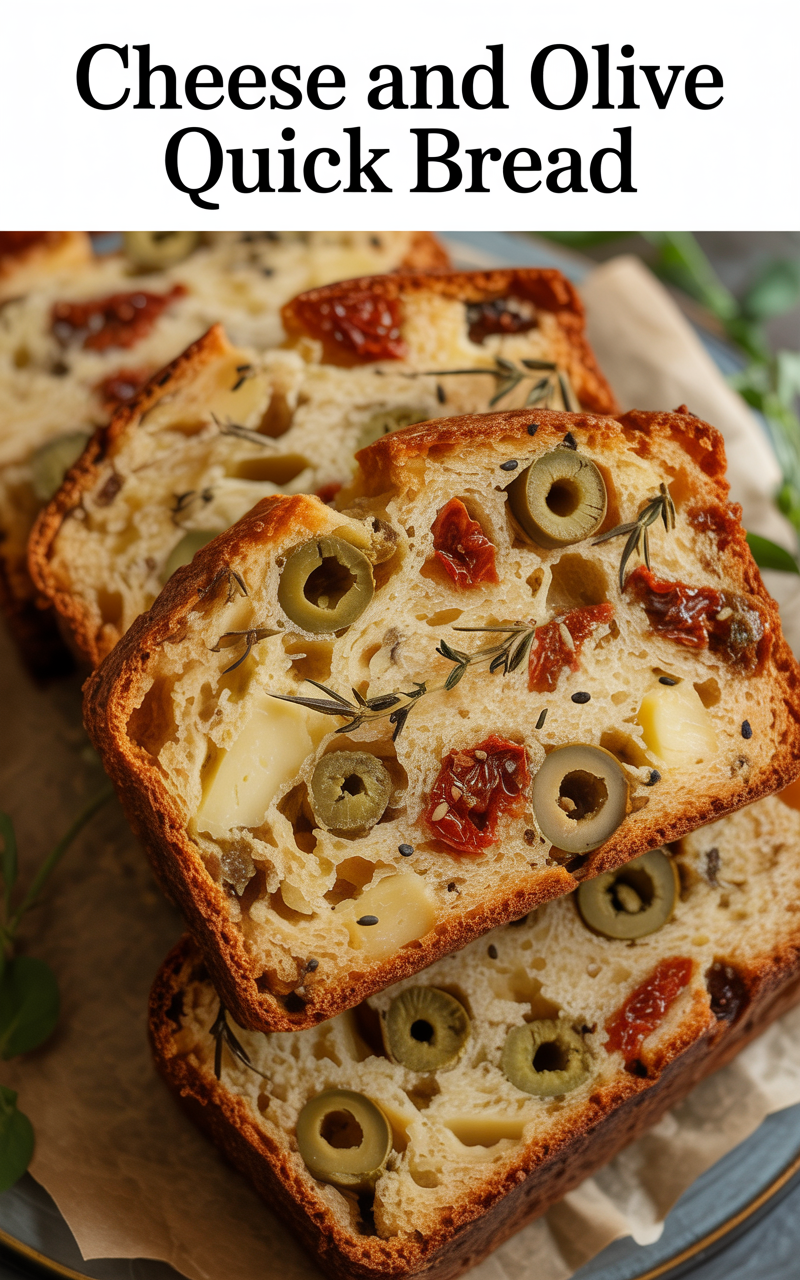
Olive Bread Recipe Easy
This easy olive bread recipe delivers a crisp crust and briny, tender crumb in about 40 minutes—no kneading required.
🧂 Ingredients
- 3 cups (375g) all-purpose flour, plus extra for dusting
- 1 teaspoon instant yeast (or active dry yeast, see tip)
- 2 teaspoons kosher salt
- 1 1/2 cups (360ml) warm water (105-115°F / 40-46°C)
- 1 cup (150g) mixed pitted olives (Kalamata and green), roughly chopped
- 2 tablespoons olive oil, plus extra for brushing
📋 Instructions
- 1Mix Dry Ingredients — In a large bowl, whisk together flour, instant yeast, and salt until evenly distributed. This ensures the yeast and salt are well blended and prevents pockets of salt.
- 2Add Wet Ingredients — Pour in warm water and olive oil. Stir with a wooden spoon or spatula until a shaggy dough forms. The dough will be sticky—that's correct. Cover the bowl with plastic wrap or a damp towel and let rest for 10 minutes.
- 3Fold in Olives — After the rest, add chopped olives and fold them into the dough with a spatula, turning the bowl and scraping from the edges until evenly distributed. The dough will become slightly smoother.
- 4First Rise — Cover the bowl again and let rise in a warm spot (75°F/24°C) for 30 minutes, or until the dough has noticeably increased in volume and is puffy with small bubbles on the surface.
- 5Shape the Loaf — Turn the dough out onto a heavily floured surface. Using a bench scraper or floured hands, fold the dough over itself a few times to form a rough round. Don't overwork it—this isn't a knead. Transfer the dough to a piece of parchment paper.
- 6Second Rise — Place the dough with the parchment onto a baking sheet or into a Dutch oven (if using). Cover loosely with a kitchen towel and let rise for 15 minutes while the oven preheats.
- 7Preheat and Score — Preheat the oven to 450°F (230°C) with a rack in the middle and a shallow pan on the bottom rack. Just before baking, use a sharp knife or bread lame to score a deep slash (about 1/2 inch deep) across the top. This allows the bread to expand and creates a beautiful ear.
- 8Bake with Steam — Carefully pour 1 cup of boiling water into the shallow pan (be cautious of steam). Place the bread in the oven and bake for 25-30 minutes, until the crust is deep golden brown and the loaf sounds hollow when tapped on the bottom. If using a Dutch oven, bake covered for 20 minutes, then uncovered for 10-15 minutes for extra crispness.
- 9Cool and Serve — Transfer the loaf to a wire rack and let cool for at least 20 minutes before slicing. This allows the crumb to set—cutting too early makes it gummy. Serve warm or at room temperature.

Liam covers personal finance and investing for beginners, demystifying money management with clear, no-nonsense advice. He focuses on budgeting, saving, and long-term wealth building, often using real-life scenarios to illustrate concepts.