
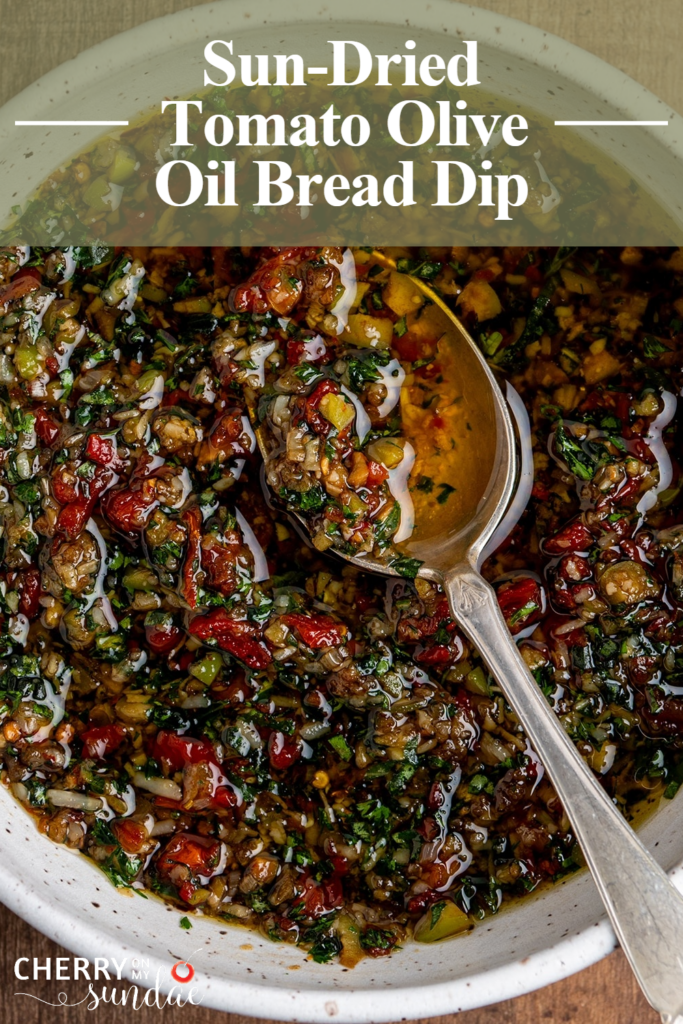
This Homemade Dipping Bread is the ultimate companion for your favorite dips, soups, and sauces. With a crisp golden crust and a soft, airy interior, it's designed to soak up every last drop of flavor. Whether you're hosting a casual dinner or simply craving fresh bread, this recipe delivers consistent results every time.
Advertisements1
The key to this bread's texture is a high-hydration dough that's gently folded rather than kneaded. This technique develops gluten without overworking the dough, resulting in a light, open crumb. Plus, a brief steam bath in the oven creates that professional bakery-style crust.
I've tested this recipe multiple times to ensure the exact ratios and timings are foolproof. The result is a bread that's not only delicious but also simple enough for a weekday evening. No special equipment needed—just a bowl, a baking sheet, and a little patience.
Why You'll Love This Recipe
About the Ingredients
3 ½ cups (420g) bread flour, plus more for dusting
Bread flour gives the bread structure and chew. You can substitute all-purpose flour, but the bread will be slightly less chewy.
1 ½ cups (360ml) warm water (110°F/43°C)
Warm water activates the yeast. If it's too hot, it will kill the yeast; too cold, and the dough won't rise properly.
2 ¼ teaspoons (7g) instant yeast
Instant yeast dissolves quickly and doesn't need proofing. Active dry yeast can be used but must be dissolved in water first.
1 ½ teaspoons (9g) salt
Salt controls yeast activity and enhances flavor. Use fine sea salt for even distribution.
1 tablespoon (15ml) olive oil, plus more for brushing
Olive oil adds richness and helps create a tender crumb. You can use any neutral oil, but olive oil complements dipping.
1 teaspoon honey or sugar
A touch of sugar feeds the yeast and promotes browning. Maple syrup works as a substitute.
Coarse sea salt or flaky salt, for topping (optional)
Sprinkling on top before baking adds a crunchy texture and salty contrast. Use any coarse salt you have.
Tips & Tricks
Use a kitchen scale for accuracy
Weighing flour ensures consistent hydration. Too much flour makes a dense loaf.
Don't skip the steam
The steam in the oven keeps the crust soft while the bread rises, then crisps up. Use a spray bottle to mist the oven walls.
Let it cool completely
Slicing warm bread can make it gummy. Wait at least 30 minutes for the crumb to set.
- If your kitchen is cool, place the dough in a warm spot (like an oven with the light on) to speed up rising.
Pro Tips
Step-by-Step Instructions
1. Mix the dough
In a large bowl, combine bread flour, salt, and instant yeast. Add warm water, olive oil, and honey. Stir with a wooden spoon until a shaggy dough forms. It will be sticky—that's okay.
2. Fold and rest
Cover the bowl with plastic wrap or a damp towel. Let it rest for 10 minutes. Then, perform a series of folds: grab the edge of the dough, stretch it up, and fold it over the center. Rotate the bowl and repeat 4-5 times. Cover and let rest for another 10 minutes.
3. Repeat folding
Repeat the folding process one more time. The dough should become smoother and more elastic. Cover again and let it rise in a warm place for 30-40 minutes, until puffy and nearly doubled in size.
4. Shape the loaf
Turn the dough onto a lightly floured surface. Gently shape it into a round or oval loaf, being careful not to deflate it too much. Place it on a piece of parchment paper.
5. Preheat and steam
Place a baking sheet or cast iron pan on the middle rack of the oven and preheat to 450°F (232°C). Once preheated, slide the parchment paper with the dough onto the hot sheet. Quickly spray the oven walls with water and close the door to create steam.
6. Bake with steam
Bake for 15 minutes at 450°F (232°C) with steam. Then, reduce the oven temperature to 400°F (204°C) and continue baking for 20-25 minutes, until the crust is deep golden brown and the loaf sounds hollow when tapped on the bottom. An internal temperature of 200°F (93°C) indicates doneness.
7. Cool and serve
Remove the bread from the oven and transfer to a wire rack. Brush the top with olive oil and sprinkle with coarse salt if desired. Let cool for at least 30 minutes before slicing. Serve warm or at room temperature with olive oil and balsamic vinegar for dipping.
Delicious Variations
Herb and Garlic
Add 2 teaspoons dried rosemary and 1 teaspoon garlic powder to the flour mixture.
Seeded Crust
Before baking, brush the top with water and sprinkle with sesame seeds, poppy seeds, or everything bagel seasoning.
Cheese-Stuffed
After shaping, gently press cubes of mozzarella or cheddar into the center of the dough before baking.
How to Store Homemade Dipping Bread
Refrigerator
Store in an airtight container or plastic bag at room temperature for up to 3 days. Do not refrigerate, as it will dry out.
Freezer
Wrap tightly in plastic wrap and then foil. Freeze for up to 3 months. Thaw at room temperature.
Reheating
To refresh, heat in a 350°F (175°C) oven for 5-7 minutes, or slice and toast.
Frequently Asked Questions
Q: Why is my bread dough so sticky?
High-hydration dough is naturally sticky. Resist adding extra flour; the folds will develop gluten and make it manageable. Use wet hands when handling.
Q: Can I use all-purpose flour instead of bread flour?
Yes, all-purpose flour works, but the bread will be slightly less chewy. You may need to reduce the water by 2-3 tablespoons as all-purpose absorbs less liquid.
Q: How do I know when the bread is done?
The crust should be deep golden brown, and the loaf should sound hollow when tapped on the bottom. For accuracy, check the internal temperature with a thermometer—it should read 200°F (93°C).
Q: Can I make this bread without a stand mixer?
Absolutely. This recipe is designed for hand mixing and folding. No mixer needed—just a bowl and a spoon.
Q: Why did my bread come out dense?
A dense loaf often results from too much flour or under-proofing. Measure flour correctly, and ensure the dough rises until puffy and nearly doubled before baking.
If you love this easy Homemade Dipping Bread, share your creation with us on social media and tag us! Don't forget to subscribe for more no-fuss recipes that bring big flavor to your table. Keep it simple, keep it growing.
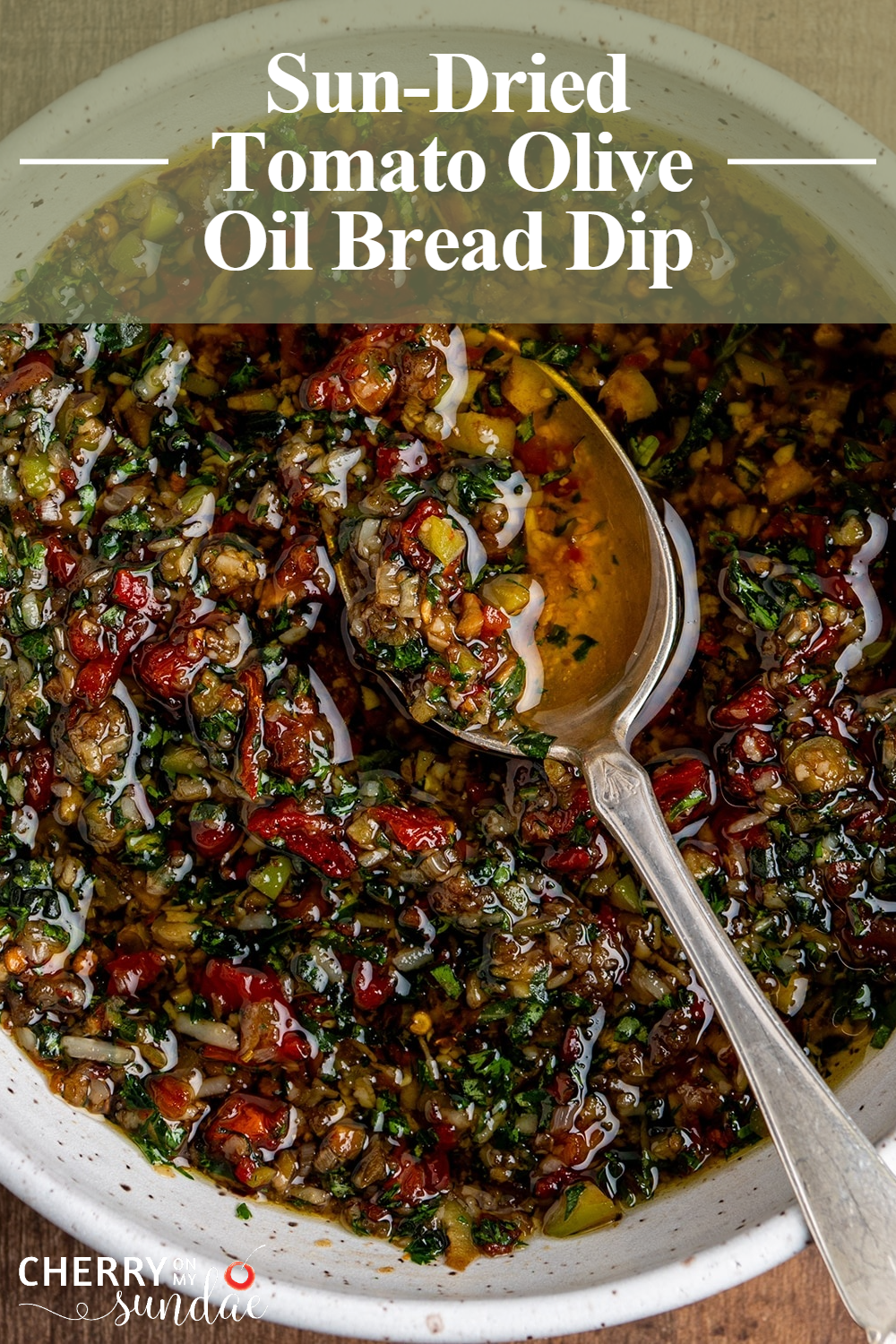
Homemade Dipping Bread
Homemade Dipping Bread is a soft, chewy loaf with a crisp crust, perfect for dipping in olive oil, soups, or sauces. Ready in just 50 minutes.
🧂 Ingredients
- 3 ½ cups (420g) bread flour, plus more for dusting
- 1 ½ cups (360ml) warm water (110°F/43°C)
- 2 ¼ teaspoons (7g) instant yeast
- 1 ½ teaspoons (9g) salt
- 1 tablespoon (15ml) olive oil, plus more for brushing
- 1 teaspoon honey or sugar
- Coarse sea salt or flaky salt, for topping (optional)
📋 Instructions
- 1Mix the dough — In a large bowl, combine bread flour, salt, and instant yeast. Add warm water, olive oil, and honey. Stir with a wooden spoon until a shaggy dough forms. It will be sticky—that's okay.
- 2Fold and rest — Cover the bowl with plastic wrap or a damp towel. Let it rest for 10 minutes. Then, perform a series of folds: grab the edge of the dough, stretch it up, and fold it over the center. Rotate the bowl and repeat 4-5 times. Cover and let rest for another 10 minutes.
- 3Repeat folding — Repeat the folding process one more time. The dough should become smoother and more elastic. Cover again and let it rise in a warm place for 30-40 minutes, until puffy and nearly doubled in size.
- 4Shape the loaf — Turn the dough onto a lightly floured surface. Gently shape it into a round or oval loaf, being careful not to deflate it too much. Place it on a piece of parchment paper.
- 5Preheat and steam — Place a baking sheet or cast iron pan on the middle rack of the oven and preheat to 450°F (232°C). Once preheated, slide the parchment paper with the dough onto the hot sheet. Quickly spray the oven walls with water and close the door to create steam.
- 6Bake with steam — Bake for 15 minutes at 450°F (232°C) with steam. Then, reduce the oven temperature to 400°F (204°C) and continue baking for 20-25 minutes, until the crust is deep golden brown and the loaf sounds hollow when tapped on the bottom. An internal temperature of 200°F (93°C) indicates doneness.
- 7Cool and serve — Remove the bread from the oven and transfer to a wire rack. Brush the top with olive oil and sprinkle with coarse salt if desired. Let cool for at least 30 minutes before slicing. Serve warm or at room temperature with olive oil and balsamic vinegar for dipping.

Liam covers personal finance and investing for beginners, demystifying money management with clear, no-nonsense advice. He focuses on budgeting, saving, and long-term wealth building, often using real-life scenarios to illustrate concepts.