
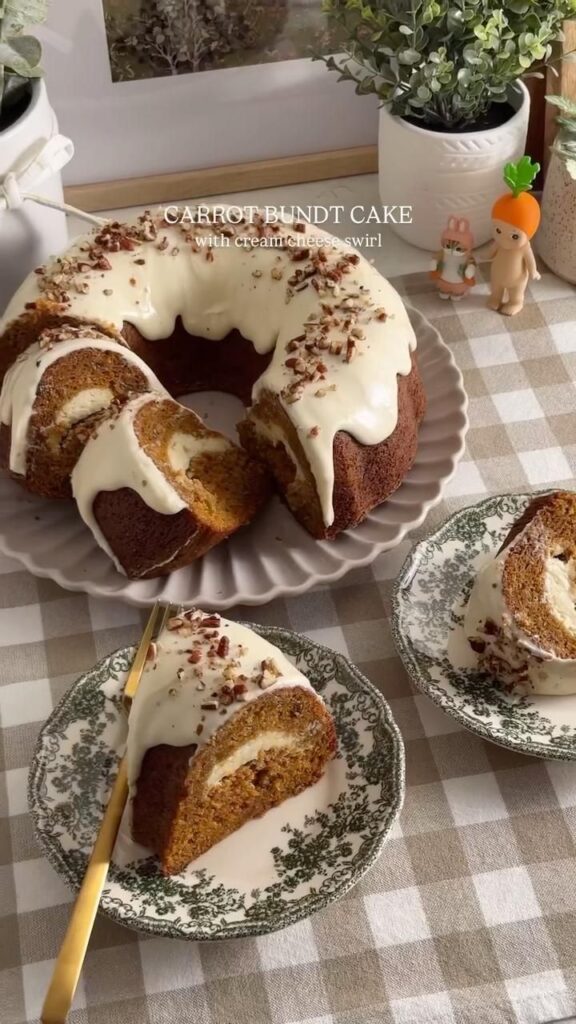
I remember my first attempt at baking a cake from scratch – it was a lopsided, dry disaster that my dog wouldn't even eat. But I've come a long way since then, and I'm here to share my foolproof method for an easy homemade cake that turns out perfectly every time.
Advertisements1
This recipe is my go-to for birthdays, potlucks, or just a Tuesday night treat. It's incredibly simple, uses basic pantry ingredients, and produces a tender, moist crumb that will have everyone asking for seconds. No fancy equipment or techniques needed – just a bowl, a whisk, and a little love.
Whether you're a baking newbie or a seasoned pro looking for a reliable classic, this easy homemade cake is your answer. Let's get baking!
Why You'll Love This Recipe
About the Ingredients
2 ½ cups (315g) all-purpose flour
The structure of the cake. For a lighter texture, you can substitute 1 cup with cake flour, but all-purpose works great.
2 ½ teaspoons baking powder
Leavening agent that helps the cake rise. Make sure it's fresh – test by adding a little to hot water; it should fizz.
½ teaspoon baking soda
Works with the buttermilk to create a tender crumb. If you don't have buttermilk, use 1 cup milk + 1 tablespoon lemon juice, let sit 5 minutes.
½ teaspoon salt
Enhances the flavors and balances sweetness.
1 ½ cups (300g) granulated sugar
Sweetens and helps with browning. You can reduce to 1 ¼ cups if you prefer less sweet.
½ cup (113g) unsalted butter, softened
Adds richness and flavor. Use salted butter and skip the added salt if that's what you have.
2 large eggs, room temperature
Bind the ingredients and add structure. Room temperature eggs incorporate better – place them in warm water for 5 minutes if cold.
1 cup (240ml) buttermilk, room temperature
Adds moisture and tang, making the cake tender. Substitute with milk + lemon juice as noted above.
2 teaspoons vanilla extract
Enhances the flavor. Use pure vanilla extract for the best taste – imitation works, but the real deal is worth it.
Tips & Tricks
Room temperature ingredients are key
Cold butter and eggs won't cream properly, leading to a dense cake. Set them out 30 minutes before starting.
Don't overmix the batter
Once you add the flour, mix just until combined – overmixing develops gluten, making the cake tough.
Test for doneness with a toothpick
Insert it into the center – if it comes out clean or with a few crumbs, it's done. The cake should also pull away from the edges and spring back when lightly pressed.
Pro Tips
Step-by-Step Instructions
1. Preheat and Prep
Preheat your oven to 350°F (175°C). Grease and flour two 9-inch round cake pans or line with parchment paper. This ensures the cake releases easily.
2. Mix Dry Ingredients
In a medium bowl, whisk together the flour, baking powder, baking soda, and salt. Set aside. This distributes the leaveners evenly.
3. Cream Butter and Sugar
In a large bowl, beat the softened butter and sugar with an electric mixer on medium speed until light and fluffy, about 3 minutes. Scrape down the sides as needed. This incorporates air for a tender crumb.
4. Add Eggs and Vanilla
Add the eggs one at a time, beating well after each addition. Then beat in the vanilla extract. Make sure each egg is fully incorporated before adding the next.
5. Alternate Wet and Dry
With the mixer on low speed, add the dry ingredients in three additions, alternating with the buttermilk, starting and ending with the dry. Mix until just combined – do not overmix. The batter will be slightly lumpy.
6. Divide and Bake
Divide the batter evenly between the prepared pans. Bake for 30-35 minutes, or until a toothpick inserted into the center comes out clean and the cake is golden brown and pulls away from the edges. Rotate the pans halfway through for even baking.
7. Cool and Serve
Let the cakes cool in the pans for 10 minutes, then turn out onto a wire rack to cool completely. Frost as desired or serve plain with a dusting of powdered sugar.
Delicious Variations
Lemon Blueberry
Add 1 tablespoon lemon zest and fold in 1 cup fresh blueberries before baking.
Chocolate Chip
Fold in 1 cup mini chocolate chips after mixing the batter.
Spiced Apple
Substitute ½ cup of the buttermilk with apple cider and add 1 teaspoon cinnamon and ½ teaspoon nutmeg.
How to Store Cake Recipes Easy Homemade
Refrigerator
Wrap cooled cake tightly in plastic wrap and store in the refrigerator for up to 5 days. Bring to room temperature before serving.
Freezer
Wrap the unfrosted cake layers in plastic wrap and then foil. Freeze for up to 3 months. Thaw overnight in the refrigerator.
Reheating
For a fresh-from-the-oven taste, microwave a slice for 10-15 seconds or warm in a 300°F (150°C) oven for 5-10 minutes.
Frequently Asked Questions
Q: Can I use regular milk instead of buttermilk?
Yes, you can make a buttermilk substitute by adding 1 tablespoon of lemon juice or white vinegar to 1 cup of milk and letting it sit for 5 minutes. Or use plain yogurt thinned with a little milk.
Q: How do I know when the cake is done?
Insert a toothpick into the center – if it comes out clean or with a few moist crumbs, it's done. The cake should also be golden brown and pull away from the sides of the pan.
Q: Why did my cake sink in the middle?
The cake may have sunk due to overmixing the batter, opening the oven door too early, or using expired baking powder. Ensure your leaveners are fresh and avoid opening the oven during the first 20 minutes of baking.
Q: Can I make this cake gluten-free?
Yes, you can substitute the all-purpose flour with a 1:1 gluten-free baking blend that contains xanthan gum. The texture may be slightly different, but it will still be delicious.
Q: Can I double this recipe?
Absolutely! Simply double all the ingredients and bake in a 9×13-inch pan or three 9-inch layers. Adjust the baking time – a 9×13 pan may need 40-45 minutes, and layers about 30-35 minutes.
I'd love to hear how your cake turns out! Share your baking experience in the comments below – have you tried any fun variations? Small steps, big change.
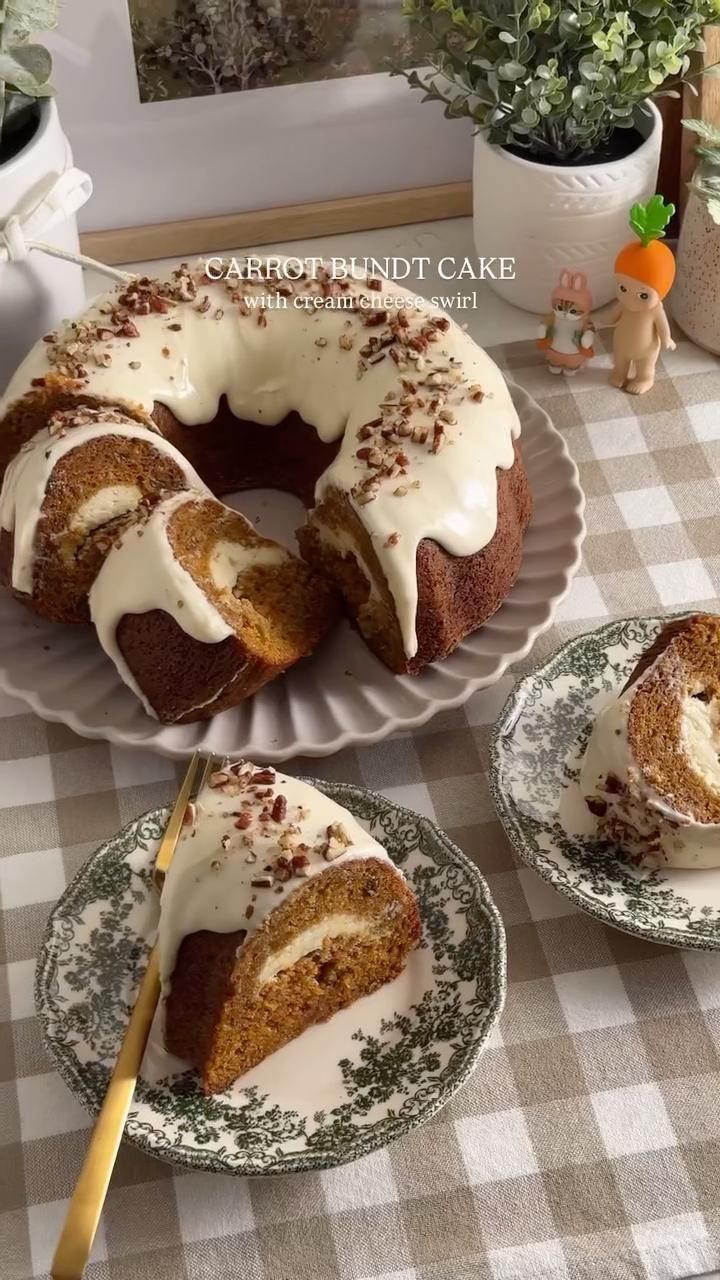
Cake Recipes Easy Homemade
Discover easy homemade cake recipes that are moist, simple, and perfect for any occasion. Bake a delicious classic with minimal effort.
🧂 Ingredients
- 2 ½ cups (315g) all-purpose flour
- 2 ½ teaspoons baking powder
- ½ teaspoon baking soda
- ½ teaspoon salt
- 1 ½ cups (300g) granulated sugar
- ½ cup (113g) unsalted butter, softened
- 2 large eggs, room temperature
- 1 cup (240ml) buttermilk, room temperature
- 2 teaspoons vanilla extract
📋 Instructions
- 1Preheat and Prep — Preheat your oven to 350°F (175°C). Grease and flour two 9-inch round cake pans or line with parchment paper. This ensures the cake releases easily.
- 2Mix Dry Ingredients — In a medium bowl, whisk together the flour, baking powder, baking soda, and salt. Set aside. This distributes the leaveners evenly.
- 3Cream Butter and Sugar — In a large bowl, beat the softened butter and sugar with an electric mixer on medium speed until light and fluffy, about 3 minutes. Scrape down the sides as needed. This incorporates air for a tender crumb.
- 4Add Eggs and Vanilla — Add the eggs one at a time, beating well after each addition. Then beat in the vanilla extract. Make sure each egg is fully incorporated before adding the next.
- 5Alternate Wet and Dry — With the mixer on low speed, add the dry ingredients in three additions, alternating with the buttermilk, starting and ending with the dry. Mix until just combined – do not overmix. The batter will be slightly lumpy.
- 6Divide and Bake — Divide the batter evenly between the prepared pans. Bake for 30-35 minutes, or until a toothpick inserted into the center comes out clean and the cake is golden brown and pulls away from the edges. Rotate the pans halfway through for even baking.
- 7Cool and Serve — Let the cakes cool in the pans for 10 minutes, then turn out onto a wire rack to cool completely. Frost as desired or serve plain with a dusting of powdered sugar.

Maya writes about sustainable living and zero-waste practices, focusing on small, actionable changes for everyday life. She shares practical tips on reducing plastic, composting, and mindful consumption, drawn from her own experiments at home.