
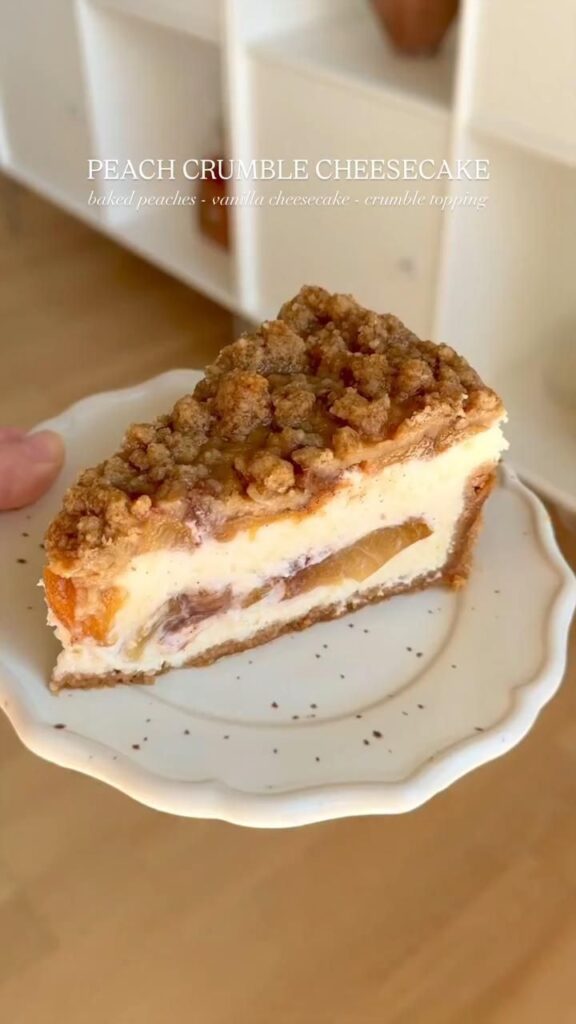
Cheesecake filling is the custard layer that decides whether your cheesecake reads as silky or rubbery. The formula is simple: cream cheese, sugar, eggs, an acid, and a flavor extract. Get the ratios and the mixing order right and you get a smooth, dense slice with a clean cut.
Advertisements1
This recipe uses 24 ounces of full-fat cream cheese to 4 eggs, a 6:1 ratio by weight that produces a firm but creamy set at 325F (163C). Full-fat dairy matters here. Reduced-fat cream cheese carries more water and gums, which means a looser batter and a higher chance of cracking.
You can bake this filling in a crust or pour it into a water bath for a standalone custard. Either way, the mixing method is the same: room-temperature dairy, low mixer speed, and a stop as soon as the batter is uniform. Overmixing whips in air, and air is what makes a cheesecake puff and then collapse.
Why You'll Love This Recipe
About the Ingredients
24 oz (680g) full-fat cream cheese, softened to room temperature
Blocks, not tub spread, and full fat only. If you are out, 1:1 mascarpone works but bakes slightly softer and less tangy.
1 cup (200g) granulated sugar
Fine white sugar dissolves fastest. Do not swap in brown sugar; its moisture darkens the custard and softens the set.
3/4 cup (180g) full-fat sour cream, room temperature
Greek yogurt is a valid 1:1 substitute and adds a sharper tang. Skip low-fat versions, which water down the batter.
4 large eggs (200g), room temperature
Room temperature eggs emulsify evenly. Cold eggs seize the batter and cause lumps that never smooth out.
2 large egg yolks (36g), room temperature
Extra yolks add fat and richness for a denser slice. Save the whites for a meringue topping if you want one.
2 tsp (10ml) pure vanilla extract
Pure, not imitation. Vanilla bean paste works 1:1 and adds visible flecks. Bourbon vanilla reads warmer than Tahitian.
1 tbsp (15ml) fresh lemon juice
Bottled juice tastes flat and dulls the dairy. Lime juice is a fine substitute and pushes the flavor slightly brighter.
2 tbsp (16g) cornstarch
Cornstarch stabilizes the custard against cracking. Arrowroot works as a 1:1 swap but sets a touch softer.
1/4 tsp (1.5g) fine sea salt
Salt cuts the sweetness and sharpens the dairy. Kosher salt works if you use half the volume, since the flakes are coarser.
Tips & Tricks
Scrape the bowl three separate times
after the cream cheese, after the sugar, and after the eggs. Batter clinging to the bowl wall is the most common source of unmixed streaks.
- Beat the cream cheese alone first for 2 full minutes on medium-low until it is glossy with zero lumps. Adding sugar before the cheese is smooth traps lumps you cannot remove later.
- Mix on low speed only after the eggs go in. High speed pumps air into the batter, and that air expands in the oven, then deflates and cracks the surface as it cools.
Pro Tips
Step-by-Step Instructions
1. Preheat and prep
Heat the oven to 325F (163C) and place a rack in the lower-middle position. Put a shallow pan of hot water on the bottom rack to add steam, which keeps the surface moist and reduces cracking.
2. Beat the cream cheese
Beat the softened cream cheese alone on medium-low for 2 minutes until it is completely smooth and glossy. Scrape the bowl and paddle down with a spatula before moving on.
3. Add sugar and cornstarch
Add the sugar, cornstarch, and salt and mix on medium-low for 90 seconds until fully dissolved and no grit remains. Scrape the bowl again.
4. Incorporate dairy and flavor
Mix in the sour cream, vanilla, and lemon juice on low for 30 seconds until uniform. The batter should look like thick, glossy paint at this stage.
5. Add eggs last
Add the 4 eggs and 2 yolks one at a time on low speed, mixing just 15 seconds after each addition. Stop the moment the last egg disappears into the batter.
6. Strain and fill
Pour the batter through a fine-mesh strainer into your crust or pan to catch any stray lumps. Tap the pan on the counter 5 times to release air bubbles.
7. Bake to temperature
Bake 35 to 40 minutes at 325F (163C) until the edges are set and the center wobbles slightly when nudged. An instant-read thermometer at the center should read 150F (66C).
8. Cool gradually
Turn the oven off, prop the door open with a wooden spoon, and leave the pan inside 1 hour. This slow cooldown is what prevents the surface from cracking.
Delicious Variations
Chocolate Filling
Melt 6 oz (170g) semisweet chocolate and fold it into the finished batter for a denser, fudgier slice; add 1 extra yolk to keep it from drying.
Lemon Curd Swirl
Drop 1/2 cup lemon curd in 6 dollops over the batter and drag a skewer through it 4 times for a marbled top with bright acidity.
Brown Butter Base
Brown 4 tbsp (57g) butter, cool it, and beat it into the cream cheese first for a toasted, nutty undertone that reads more like a bakery cheesecake.
How to Store Cheesecake Filling
Refrigerator
Cover tightly and refrigerate up to 5 days. Press plastic wrap directly onto the surface if storing the filling without a crust.
Freezer
Wrap the baked filling in two layers of plastic and one of foil, then freeze up to 2 months. Thaw overnight in the refrigerator, never on the counter.
Reheating
Do not reheat; this filling is served cold. Let it sit 20 minutes at room temperature before serving for the best texture.
Frequently Asked Questions
Q: Why is my cheesecake filling lumpy?
Cold cream cheese is the usual culprit. Let it sit out 60 minutes, beat it alone for 2 minutes before adding anything else, and strain the finished batter through a fine-mesh sieve.
Mix it low, bake it to 150F (66C), and cool it slow. That is the entire method, and it works every time. Try it once and you will stop buying the boxed mix. Keep it simple, keep it growing.
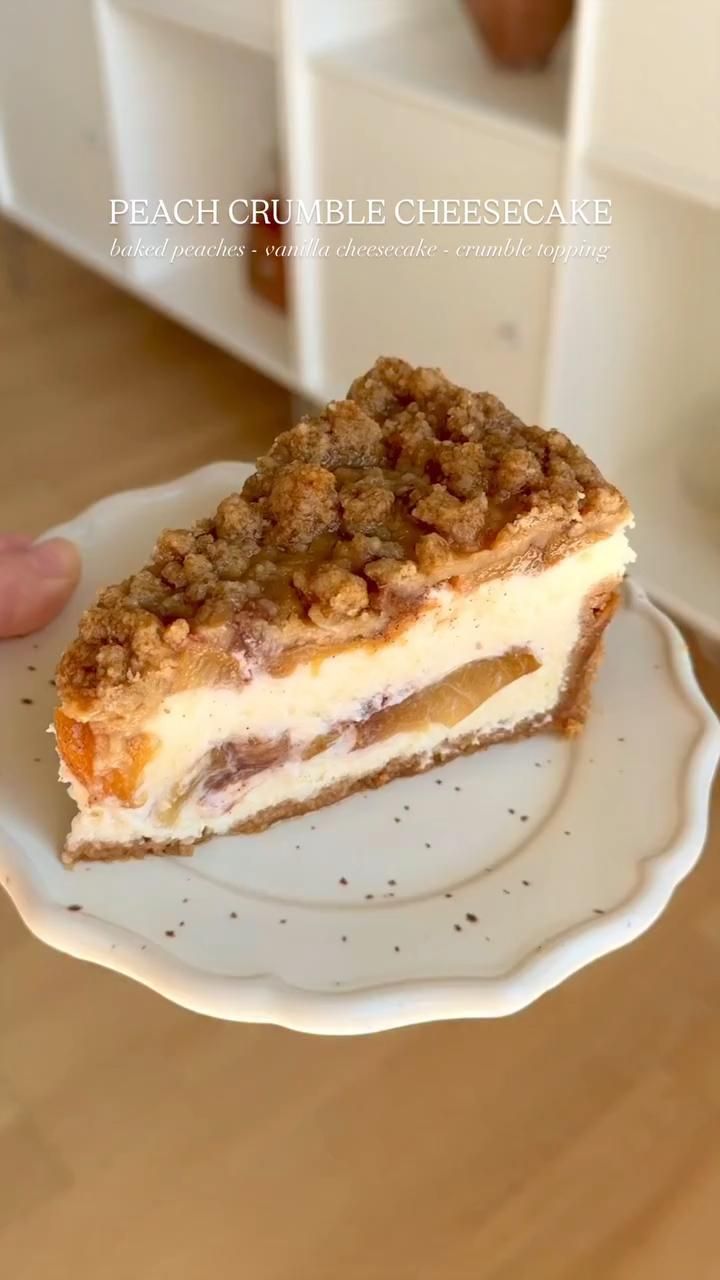
Cheesecake Filling
Creamy Cheesecake Filling made with cream cheese, eggs, and vanilla delivers a silky, crack-free custard that bakes evenly every time.
🧂 Ingredients
- 24 oz (680g) full-fat cream cheese, softened to room temperature
- 1 cup (200g) granulated sugar
- 3/4 cup (180g) full-fat sour cream, room temperature
- 4 large eggs (200g), room temperature
- 2 large egg yolks (36g), room temperature
- 2 tsp (10ml) pure vanilla extract
- 1 tbsp (15ml) fresh lemon juice
- 2 tbsp (16g) cornstarch
- 1/4 tsp (1.5g) fine sea salt
📋 Instructions
- 1Preheat and prep — Heat the oven to 325F (163C) and place a rack in the lower-middle position. Put a shallow pan of hot water on the bottom rack to add steam, which keeps the surface moist and reduces cracking.
- 2Beat the cream cheese — Beat the softened cream cheese alone on medium-low for 2 minutes until it is completely smooth and glossy. Scrape the bowl and paddle down with a spatula before moving on.
- 3Add sugar and cornstarch — Add the sugar, cornstarch, and salt and mix on medium-low for 90 seconds until fully dissolved and no grit remains. Scrape the bowl again.
- 4Incorporate dairy and flavor — Mix in the sour cream, vanilla, and lemon juice on low for 30 seconds until uniform. The batter should look like thick, glossy paint at this stage.
- 5Add eggs last — Add the 4 eggs and 2 yolks one at a time on low speed, mixing just 15 seconds after each addition. Stop the moment the last egg disappears into the batter.
- 6Strain and fill — Pour the batter through a fine-mesh strainer into your crust or pan to catch any stray lumps. Tap the pan on the counter 5 times to release air bubbles.
- 7Bake to temperature — Bake 35 to 40 minutes at 325F (163C) until the edges are set and the center wobbles slightly when nudged. An instant-read thermometer at the center should read 150F (66C).
- 8Cool gradually — Turn the oven off, prop the door open with a wooden spoon, and leave the pan inside 1 hour. This slow cooldown is what prevents the surface from cracking.

Liam covers personal finance and investing for beginners, demystifying money management with clear, no-nonsense advice. He focuses on budgeting, saving, and long-term wealth building, often using real-life scenarios to illustrate concepts.